

Tesla lands in this country but faces a great obstacle
While the launch marks a milestone for Musk company, high import tariffs and dollar-denominated prices threaten to curb its initial impact.
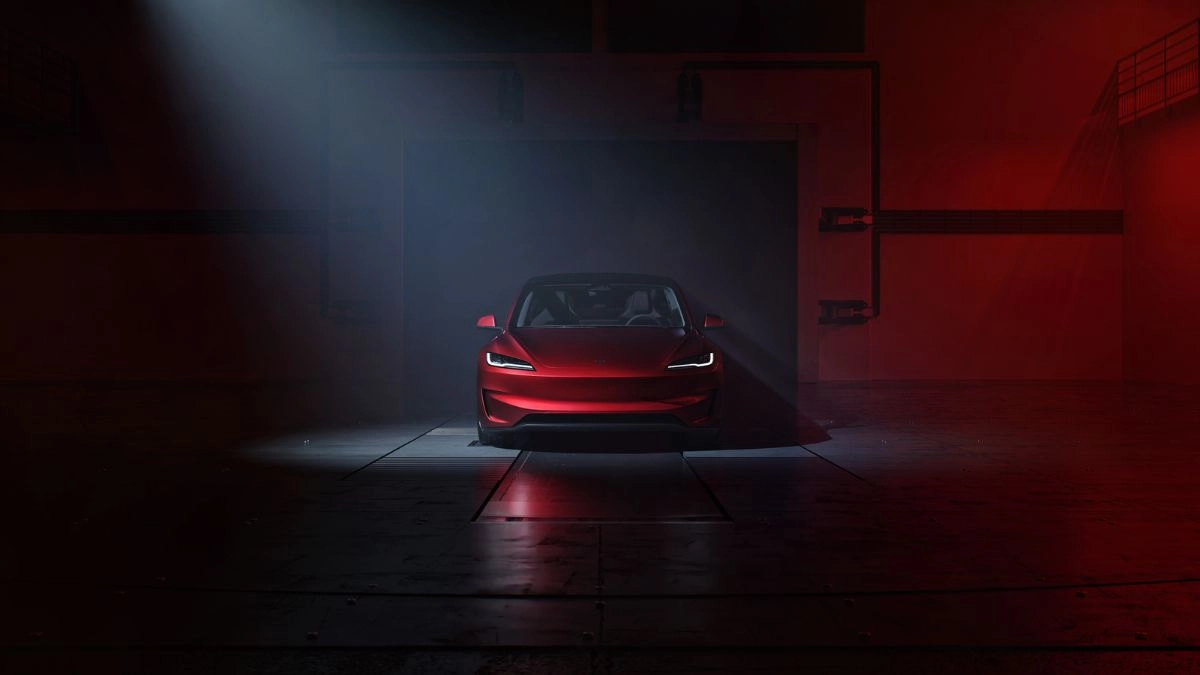

The automotive landscape in India is about to experience a shake-up. Tesla, the renowned American electric vehicle brand, has officially started its commercial activity in the Asian country. With a population of over 1.438 billion, the growth potential is immense, but so are the challenges.
For years, Tesla had shown interest in the Indian market, although without concrete results.
Finally, and after an extensive series of negotiations, the company led by Elon Musk has achieved what seemed unlikely: entering a market with strict regulatory barriers and strong local competition.
The first step has been taken in Mumbai, a city with more than 21 million inhabitants, and where it has opened its first dealership. However, the path is not without obstacles.
One of the main points of tension remains the final price of the vehicles, affected by the high tariffs imposed by the Indian government.
A process lasting years and many negotiations
Tesla's arrival has not been an improvised move. Since the beginning of the 2020s, rumors began to emerge about the brand's interest in establishing itself on the subcontinent. Talks between Tesla representatives and Indian authorities have stretched on for years, without immediate results.
India currently imposes 70% tariffs on imported electric vehicles, a figure that Tesla has unsuccessfully tried to reduce. One of the most talked-about proposals was the possibility of manufacturing on Indian soil, which would allow it to avoid a large part of the taxes. However, that option has been ruled out for the time being.
Instead, Tesla has opted to import the vehicles from its Shanghai Gigafactory, the company's most productive plant, located just a few hours by road from Indian territory. This decision speeds up supply, but maintains high costs for the end customer.
Prices, a real barrier
Enthusiasm about Tesla's entry into the Indian market has been tempered by the prices already listed on the brand's official website.
The Tesla Model Y, one of the most popular models globally, has a starting price of 6,000,000 rupees, equivalent to approximately $64,800 USD.
This value places it well above the average income of an Indian buyer, in a country where the electric car segment is still emerging.
As a reference, the average annual salary in India is around $2,300 USD, making the Model Y an aspirational product for a very small portion of the population.
Local competition and bets on the future
Tesla is not entering an empty market. India already has an ecosystem of manufacturers investing in electric mobility, albeit in modest volumes.
Tata Motors, one of the country's largest manufacturers, currently dominates the electric car market with vehicles that are more affordable for the average consumer.
International brands such as BMW and Mercedes-Benz are also present, having gained a foothold through a strategy focused on luxury and brand prestige, something that Tesla also aims to consolidate.
However, these competitors have more experience operating under India's complex regulations.
The difference, however, could lie in the technological proposition. Tesla not only sells cars, it also offers an autonomous driving platform and charging infrastructure that could eventually make a difference in a country where electric services still present challenges.
A starting point, not a finishing point
For many observers, Tesla's entry into India is a symbolic first step rather than an immediately high-impact commercial bet. With a charging network still under development, no local factories, and prices that exclude the vast majority of consumers, the company has a lot of ground to cover.
Still, just the fact that it has overcome regulatory barriers and opened its first dealership is an achievement.
Tesla's future in India will depend largely on whether it can adapt its business model to local realities. For now, the clock has started ticking.