

Clear signs that your car needs new spark plugs
Spark plugs are small and inexpensive, but their condition can make the difference between an efficient engine and one that consumes more fuel, vibrates, and loses power
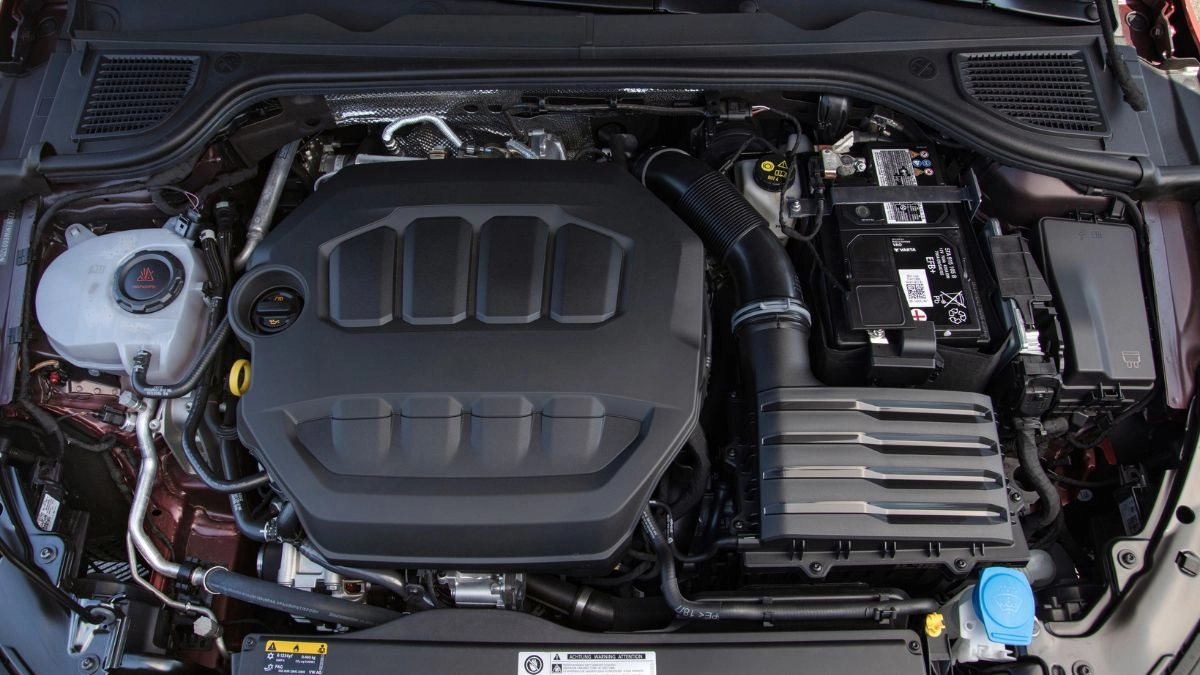

At the heart of every gasoline engine, a precise choreography takes place: air, fuel, and an exact spark at the right moment. That spark is produced by the spark plugs, parts that work thousands of times per minute under extreme temperatures and high pressures.
Also read: Ford wants to disrupt the market with a $30,000 EV
Over time, their electrodes erode, become contaminated with combustion residue, or simply lose effectiveness.
You can read: Toyota does sell electric cars, and the numbers prove it
Unlike other mechanical failures that suddenly appear, spark plug wear is usually progressive and silent. The driver gradually gets used to the car consuming more fuel, accelerating less efficiently, or vibrating slightly, without noticing that the problem lies in a simple, replaceable component. Ignoring these signs not only affects performance but can also shorten the lifespan of much more expensive parts, such as ignition coils or the catalytic converter. Unexplained Increase in Fuel Consumption: One of the first warning signs often appears at the gas station. If you notice that the tank is lasting less time, even though you drive the same way and take the same routes, it's worth looking beyond the price of fuel. When a spark plug is worn or covered in deposits, the spark loses intensity, and the air-fuel mixture doesn't burn completely. This inefficient fuel translates into extra consumption and unnecessary emissions. In more advanced cases, the loss of efficiency can approach 30%, a significant amount for your wallet. Changing the spark plugs at the right time can restore the engine to its original performance and reduce fuel costs.
Difficult starting and vibrations when stopped
Another common symptom appears as soon as you turn the key or press the start button. The engine turns over, but takes longer than normal to get going. Many drivers immediately blame the battery, when in reality the spark is too weak to ignite the mixture quickly, especially in cold weather.
Once moving, the problem can continue when stopped at a traffic light or in traffic. An unstable idle,accompanied by shaking in the steering wheel, dashboard, or seat, usually indicates intermittent misfires in one or more cylinders.
Besides being annoying, these constant movements put additional stress on the engine mounts and other components. Replacing worn spark plugs often restores the smoothness that many associate with a brand-new car.
Loss of power and slow acceleration response
Spark plugs are also put to the test when the engine is under heavy load.
If, when merging onto a highway or overtaking another vehicle, you feel the car hesitate, "boost," or respond with a delay, it's likely that the ignition system isn't delivering a consistent spark. At high RPMs, the pressure inside the cylinders increases considerably. In this environment, a faulty spark plug can fail just when it's needed most. The vehicle's computer attempts to correct this by adjusting the fuel injection, but without a strong spark, the solution is never complete. The result is uneven and less predictable acceleration, which compromises both comfort and safety. Types of Spark Plugs and When to Change Them: Not all spark plugs are created equal, nor do they offer the same durability. Choosing the right type is key to keeping your engine in top condition:
The vehicle's manual should always be your primary reference, as it specifies the exact type and recommended interval based on your engine design.
The Check Engine Light and Other Visual Clues
Electronics can also provide warnings. When the Check Engine light is on steadily, it usually indicates a fault that requires attention. If it flashes, the message is more urgent: there is a severe misfire that can raise the exhaust temperature and damage the catalytic converter in a very short time.
When changing the spark plugs, it's a good idea to inspect the removed plugs. Their appearance offers valuable clues: black residue, excessive white tones, or the presence of oil can reveal mixture problems, internal leaks, or faults in other systems.
Taking this opportunity to check ignition wires or coils is a recommended practice that helps prevent future breakdowns. Spark plugs are rarely among the top maintenance priorities, but their impact is disproportionately large compared to their size and cost. Detecting increased fuel consumption early, A difficult start or poor acceleration can save you unnecessary trips to the mechanics and prolong the life of your engine.
Loss of power and slow acceleration response
Spark plugs are also put to the test when the engine is under heavy load.
If, when merging onto a highway or overtaking another vehicle, you feel the car hesitate, "boost," or respond with a delay, it's likely that the ignition system isn't delivering a consistent spark. At high RPMs, the pressure inside the cylinders increases considerably. In this environment, a faulty spark plug can fail just when it's needed most. The vehicle's computer attempts to correct this by adjusting the fuel injection, but without a strong spark, the solution is never complete. The result is uneven and less predictable acceleration, which compromises both comfort and safety. Types of Spark Plugs and When to Change Them: Not all spark plugs are created equal, nor do they offer the same durability. Choosing the right type is key to keeping your engine in top condition:
The vehicle's manual should always be your primary reference, as it specifies the exact type and recommended interval based on your engine design.
The Check Engine Light and Other Visual Clues
Electronics can also provide warnings. When the Check Engine light is on steadily, it usually indicates a fault that requires attention. If it flashes, the message is more urgent: there is a severe misfire that can raise the exhaust temperature and damage the catalytic converter in a very short time.
When changing the spark plugs, it's a good idea to inspect the removed plugs. Their appearance offers valuable clues: black residue, excessive white tones, or the presence of oil can reveal mixture problems, internal leaks, or faults in other systems.
Taking this opportunity to check ignition wires or coils is a recommended practice that helps prevent future breakdowns. Spark plugs are rarely among the top maintenance priorities, but their impact is disproportionately large compared to their size and cost. Detecting increased fuel consumption early, A difficult start or poor acceleration can save you unnecessary trips to the mechanics and prolong the life of your engine.
Loss of power and slow acceleration response
Spark plugs are also put to the test when the engine is under heavy load.
If, when merging onto a highway or overtaking another vehicle, you feel the car hesitate, "boost," or respond with a delay, it's likely that the ignition system isn't delivering a consistent spark. At high RPMs, the pressure inside the cylinders increases considerably. In this environment, a faulty spark plug can fail just when it's needed most. The vehicle's computer attempts to correct this by adjusting the fuel injection, but without a strong spark, the solution is never complete. The result is uneven and less predictable acceleration, which compromises both comfort and safety. Types of Spark Plugs and When to Change Them: Not all spark plugs are created equal, nor do they offer the same durability. Choosing the right type is key to keeping your engine in top condition:
The vehicle's manual should always be your primary reference, as it specifies the exact type and recommended interval based on your engine design.
The Check Engine Light and Other Visual Clues
Electronics can also provide warnings. When the Check Engine light is on steadily, it usually indicates a fault that requires attention. If it flashes, the message is more urgent: there is a severe misfire that can raise the exhaust temperature and damage the catalytic converter in a very short time.
When changing the spark plugs, it's a good idea to inspect the removed plugs. Their appearance offers valuable clues: black residue, excessive white tones, or the presence of oil can reveal mixture problems, internal leaks, or faults in other systems.
Taking this opportunity to check ignition wires or coils is a recommended practice that helps prevent future breakdowns. Spark plugs are rarely among the top maintenance priorities, but their impact is disproportionately large compared to their size and cost. Detecting increased fuel consumption early, A difficult start or poor acceleration can save you unnecessary trips to the mechanics and prolong the life of your engine.which compromises both comfort and safety. Types of Spark Plugs and When to Change Them: Not all spark plugs are created equal, nor do they offer the same durability. Choosing the right type is key to keeping your engine in top condition:
The vehicle's manual should always be your primary reference, as it specifies the exact type and recommended interval based on your engine design.
The Check Engine Light and Other Visual Clues
Electronics can also provide warnings. When the Check Engine light is on steadily, it usually indicates a fault that requires attention. If it flashes, the message is more urgent: there is a severe misfire that can raise the exhaust temperature and damage the catalytic converter in a very short time.
When changing the spark plugs, it's a good idea to inspect the removed plugs. Their appearance offers valuable clues: black residue, excessive white tones, or the presence of oil can reveal mixture problems, internal leaks, or faults in other systems.
Taking this opportunity to check ignition wires or coils is a recommended practice that helps prevent future breakdowns. Spark plugs are rarely among the top maintenance priorities, but their impact is disproportionately large compared to their size and cost. Detecting increased fuel consumption early, A difficult start or poor acceleration can save you unnecessary trips to the mechanics and prolong the life of your engine.which compromises both comfort and safety. Types of Spark Plugs and When to Change Them: Not all spark plugs are created equal, nor do they offer the same durability. Choosing the right type is key to keeping your engine in top condition:
The vehicle's manual should always be your primary reference, as it specifies the exact type and recommended interval based on your engine design.
The Check Engine Light and Other Visual Clues
Electronics can also provide warnings. When the Check Engine light is on steadily, it usually indicates a fault that requires attention. If it flashes, the message is more urgent: there is a severe misfire that can raise the exhaust temperature and damage the catalytic converter in a very short time.
When changing the spark plugs, it's a good idea to inspect the removed plugs. Their appearance offers valuable clues: black residue, excessive white tones, or the presence of oil can reveal mixture problems, internal leaks, or faults in other systems.
Taking this opportunity to check ignition wires or coils is a recommended practice that helps prevent future breakdowns. Spark plugs are rarely among the top maintenance priorities, but their impact is disproportionately large compared to their size and cost. Detecting increased fuel consumption early, A difficult start or poor acceleration can save you unnecessary trips to the mechanics and prolong the life of your engine.A difficult start or poor acceleration can save you unnecessary trips to the mechanics and prolong the life of your engine.A difficult start or poor acceleration can save you unnecessary trips to the mechanics and prolong the life of your engine.