

Less volume, more value: this is Porsche's new direction
The German brand closed 2025 with almost 280,000 cars delivered and a clear strategy: prioritizing margin, technology, and personalization over volume
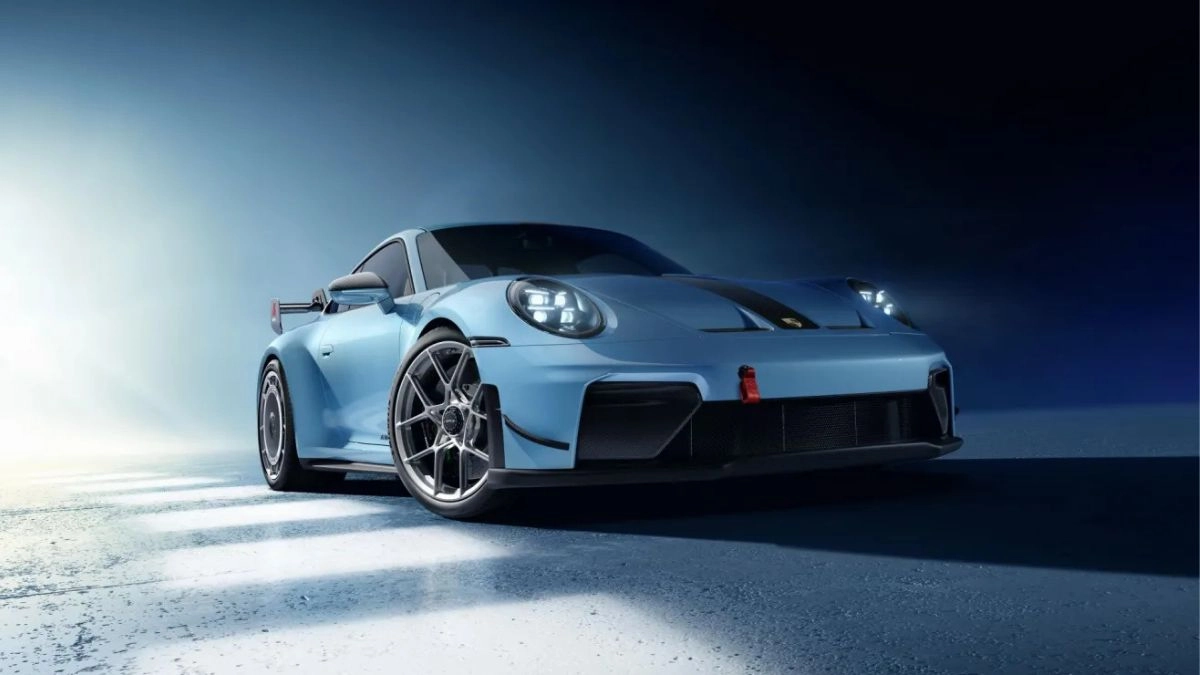

Far from measuring its success solely by the number of vehicles that leave the factory, Porsche is redefining how it competes in the global sports and premium car market.
In the midst of the present, marked by electrification, regulatory pressure, and a Faced with increasingly aggressive competition—especially from China—the Stuttgart-based firm decided in 2025 to pursue a different roadmap: produce less, but sell better.
The result was a year-end with 279,449 units delivered worldwide, a figure lower than in 2024, when 310,718 vehicles were delivered, but this reflects a strategic decision and not a structural loss of demand. For the brand, the focus shifted from breaking volume records to concentrating on raising the level of exclusivity, technical sophistication, and profitability per unit. This policy rested on three pillars: a more personalized range, sustained progress in electrification, and the strengthening of the most iconic models, without abandoning those that sustain the bulk of the business. North America maintains commercial momentum. The North American market was once again Porsche's main support in 2025. 86,229 vehicles were delivered in the United States and Canada, consolidating the region as the most important in commercial terms for the company. The stability of this market contrasts with the performance observed in Asia, particularly in China, where the brand faced a much more complex scenario. There, 41,938 deliveries were recorded, representing a 26% contraction compared to the previous year. The weakening of the luxury segment and pressure from local manufacturers, especially in the electric vehicle sector, significantly reduced Porsche's market share. Europe was not immune to the difficulties either. In European countries (excluding Germany), sales fell by 13%.While the German market declined by 16%. Part of this drop was due to supply problems with key models such as the 718 and the combustion-engine Macan, affected by adapting to the new cybersecurity regulations imposed by the European Union.
The 911 reaffirms its status as an icon
Amid this scenario, the Porsche 911 once again fulfilled its role as the brand's flagship. During 2025, 51,583 units were delivered, representing the best result ever for this model.
Beyond the figures, the 911's performance confirmed that there is a market willing to continue investing in high-performance sports cars even during the energy transition.
The most advanced variants, equipped with new performance-oriented hybrid solutions, generated considerable interest among customers in North America and Europe. For Porsche, the 911 serves not only a commercial but also a symbolic function: it is the vehicle that connects the brand's sporting heritage with its technological future. Macan, the true volume pillar. If the 911 is the emotional heart of Porsche, the Macan is its backbone in terms of sales. In 2025, this compact SUV reached 84,328 units delivered worldwide. The most significant figure is that 45,367 of those units were fully electric versions, far exceeding the company's internal forecasts. The positive reception of the electric Macan demonstrated that there is room to combine Porsche's sporting DNA with zero-emissions offerings, especially in markets outside Europe. Gasoline-powered variants also maintained solid demand, with 38,961 units sold, demonstrating that the transition to electrification is being gradual and carefully managed, without forcing traditional customers to abruptly switch technologies. Electromobility: measured but steady progress. In total, 34.4% of Porsches sold in 2025 were electrified models. Of that percentage, 22.2% were fully electric vehicles and 12.1% were plug-in hybrids. These figures placed the company at the upper end of its own annual targets and reinforced its position as one of the premium manufacturers with the highest degree of electrification in its product range. Not all models followed the same positive trend. The Taycan closed the year with 16,339 units delivered, representing a 22% drop. The Cayenne, meanwhile, registered 80,886 units, a 21% decrease, influenced in part by its extraordinary performance in 2014. Even so, the brand is already preparing its next step:The world debut of the all-electric Cayenne is planned for November 2025, with the first deliveries scheduled for spring 2026 in the United States and other key markets. This model will coexist with the combustion and plug-in hybrid versions, reinforcing the strategy of technological coexistence.