

Study revealed that more and more Americans are going into debt on their food purchases
The Urban Institute report highlighted that at least 25% of consumers were using their credit cards to buy food
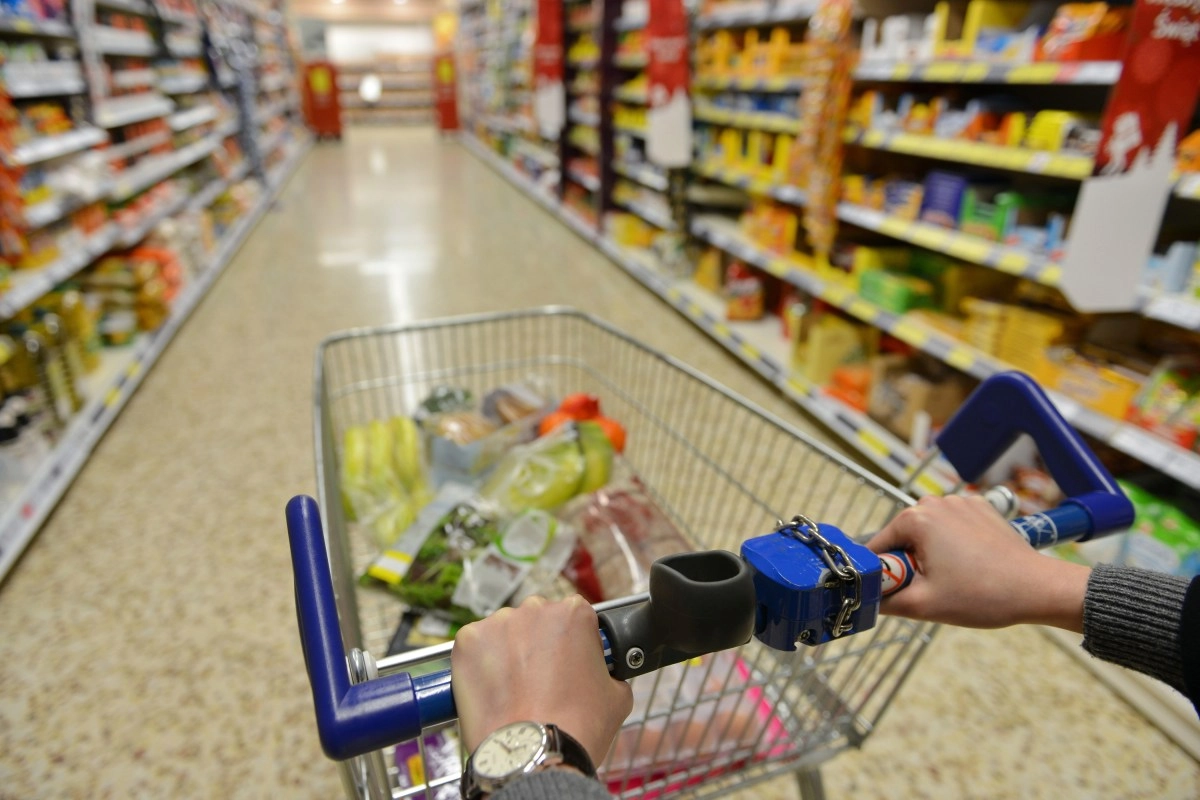

With inflation above 4%, more and more Americans are turning to their credit cards for essential expenses, a trend that in recent months has caused high debt among the average household seeking to avoid the high prices of basic items.
Although, in the latest report from the Bureau of Labor Statistics (BLS), the largest increase was observed in gasoline with 0.7%, housing and rent with 0.3% and 0.5% respectively, the cost of food also registered an increase in May with 0.2%, generating strong pressure on consumers' pockets.
Therefore, a recent analysis by the independent think tank, Urban Institute, revealed that at least 25% of consumers who were using their credit cards to buy food cannot pay the full or minimum balance, and mostly resort to the so-called “buy now and pay later.”
In this regard, Kassandra Martinchek, co-author of the study and public policy expert at the Urban Institute, commented that "families still need to eat. They still need to cover their basic needs. They now have the additional burden of having to pay their debts, which could limit their ability to cover their basic needs in the future and recover economically."
And in just the last five years, the price of food in the United States has increased by up to 32%, which has raised concerns about the affordability of food; Even Urban Institute researchers stated that at least 20% of consumers dipped into their savings for everyday expenses.
Martinchek noted that “for low- and middle-income families, food represents a very important part of their budget, so when food prices rise, they have much less room to maneuver to meet that expense,” he said, which is why many families often turn to government financial assistance to stock up.