

Toyota rejects hybrids in sports cars: 'We don't need it'
They say electrified engines are not necessary in their sports cars, although they maintain them in the hybrid experience in competition and conventional passenger cars
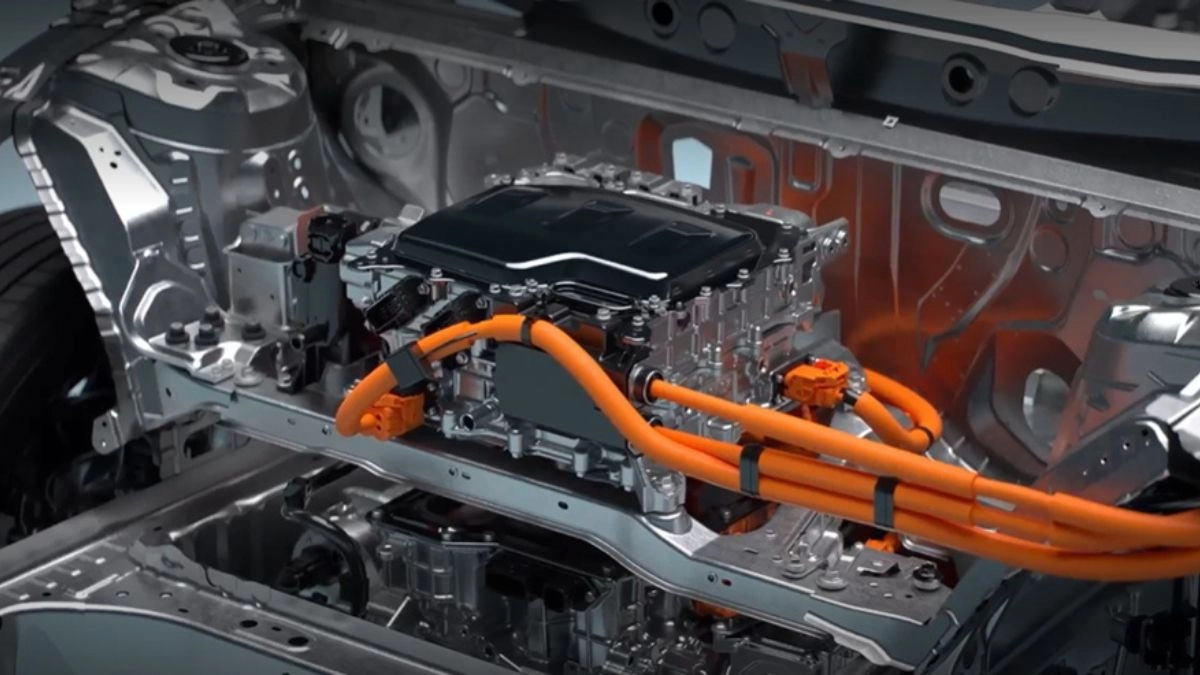

At a time when electrification dominates the automotive sector, Toyota maintains a differentiated strategy for its sports models. The brand has historically focused on hybrids in passenger cars and family vehicles, but it seems this philosophy won't extend to its sports cars.
Also read: Two Nissan beasts roar towards the 2025 SEMA Show
You can read: It tells you the lane: Polestar 4's technological bet
This statement underscores the priority Toyota gives to driving pleasure and the pure performance of its sports cars, over energy efficiency and emissions reduction.
Prioritizing sensations over efficiency
Uehara explained that Toyota's experience in competition doesn't necessarily justify hybridization in its road-going sports cars. The brand boasts advanced hybrid systems like Formula 1's KERS and participates in the European WEC with electrified engines, giving them in-depth knowledge of these technologies. However, according to Uehara: “We have our experience with the Formula 1 KERS system, and we also compete in the European WEC with electrification, so we know the capabilities of a sporty, electrified powertrain. But just from the driving feel and lap times alone, the weight of the battery and electric motor doesn't benefit performance. So, for sports cars, I prefer engines with manual transmissions. Without electrification, it's better.” This approach seeks to preserve the lightness and direct response of traditional engines, fundamental elements for the driving experience that Toyota wants to offer in its sports cars.
History and future of hybrid sports cars
Toyota already experimented with the idea of ??hybrid sports cars in 2017. The GR HV Sports Concept combined a gasoline engine with an electrified system, rear-wheel drive and an automatic transmission with an 'H' shifter. Although it never reached production, the experience helped develop models like the Lexus LC 500h, which does incorporate hybrid technology. Despite this, Uehara's stance reflects that Toyota doesn't consider it essential to transfer this technology to its entire sports car range, prioritizing gasoline models with manual transmissions to maintain the essence of sporty driving. Akio Toyoda, the company's honorary chairman, has also reinforced this view: "Toyota will always have passionate people developing electric sports cars, but from my perspective as a driver, my definition of a sports car is something that smells of gasoline and has a loud engine." These words show that, although the brand is exploring electrification and hybrids, it continues to value the excitement and sound of the traditional engine as an essential part of its sports car identity. Toyota vs. the Market Trend: While Toyota maintains this philosophy, other manufacturers have adopted hybridization to improve performance in their sportiest models. Ferrari, BMW, and Chevrolet, among others, use hybrid engines to maximize torque delivery and achieve impressive 0-100 km/h acceleration, taking advantage of the combination of electric and combustion engines. However, Toyota remains true to its approach: prioritizing the driving experience and the feel of a pure gasoline engine, even if this means moving away from some technological trends that dominate the high-performance sports car market. The result is a clear proposition: the future Corolla GR and GR Corolla will continue to feature four-cylinder engines and manual transmissions, while Toyota continues to refine its hybrid technologies in passenger cars and motorsports, without compromising the essence of its sports cars.Akio Toyoda, the company's honorary chairman, has also reinforced this vision: “Toyota will always have passionate people developing electric sports cars, but from my perspective as a driver, my definition of a sports car is something that smells of gasoline and has a loud engine.” These words show that, although the brand is exploring electrification and hybrids, it continues to value the excitement and sound of the traditional engine as an essential part of its sports car identity. Toyota vs. the Market Trend: While Toyota maintains this philosophy, other manufacturers have adopted hybridization to improve the performance of their sportiest models. Ferrari, BMW, and Chevrolet, among others, use hybrid engines to maximize torque delivery and achieve impressive 0-100 km/h acceleration, taking advantage of the combination of electric and combustion engines. However, Toyota remains true to its approach: prioritizing the driving experience and the feel of a pure gasoline engine, even if this means moving away from some technological trends that dominate the high-performance sports car market. The result is a clear proposition: the future Corolla GR and GR Corolla will continue to feature four-cylinder engines and manual transmissions, while Toyota continues to refine its hybrid technologies in passenger cars and motorsports, without compromising the essence of its sports cars.Akio Toyoda, the company's honorary chairman, has also reinforced this vision: “Toyota will always have passionate people developing electric sports cars, but from my perspective as a driver, my definition of a sports car is something that smells of gasoline and has a loud engine.” These words show that, although the brand is exploring electrification and hybrids, it continues to value the excitement and sound of the traditional engine as an essential part of its sports car identity. Toyota vs. the Market Trend: While Toyota maintains this philosophy, other manufacturers have adopted hybridization to improve the performance of their sportiest models. Ferrari, BMW, and Chevrolet, among others, use hybrid engines to maximize torque delivery and achieve impressive 0-100 km/h acceleration, taking advantage of the combination of electric and combustion engines. However, Toyota remains true to its approach: prioritizing the driving experience and the feel of a pure gasoline engine, even if this means moving away from some technological trends that dominate the high-performance sports car market. The result is a clear proposition: the future Corolla GR and GR Corolla will continue to feature four-cylinder engines and manual transmissions, while Toyota continues to refine its hybrid technologies in passenger cars and motorsports, without compromising the essence of its sports cars.The future Corolla GR and GR Corolla will continue to feature four-cylinder engines and manual transmissions, while Toyota continues to refine its hybrid technologies in passenger cars and motorsports, without compromising the essence of its sports cars.The future Corolla GR and GR Corolla will continue to feature four-cylinder engines and manual transmissions, while Toyota continues to refine its hybrid technologies in passenger cars and motorsports, without compromising the essence of its sports cars.