

US eliminates pennies: the three things you should do with your coins
The United States has stopped producing pennies. Learn what to do with your coins and how to take advantage of their value before they are completely withdrawn from circulation
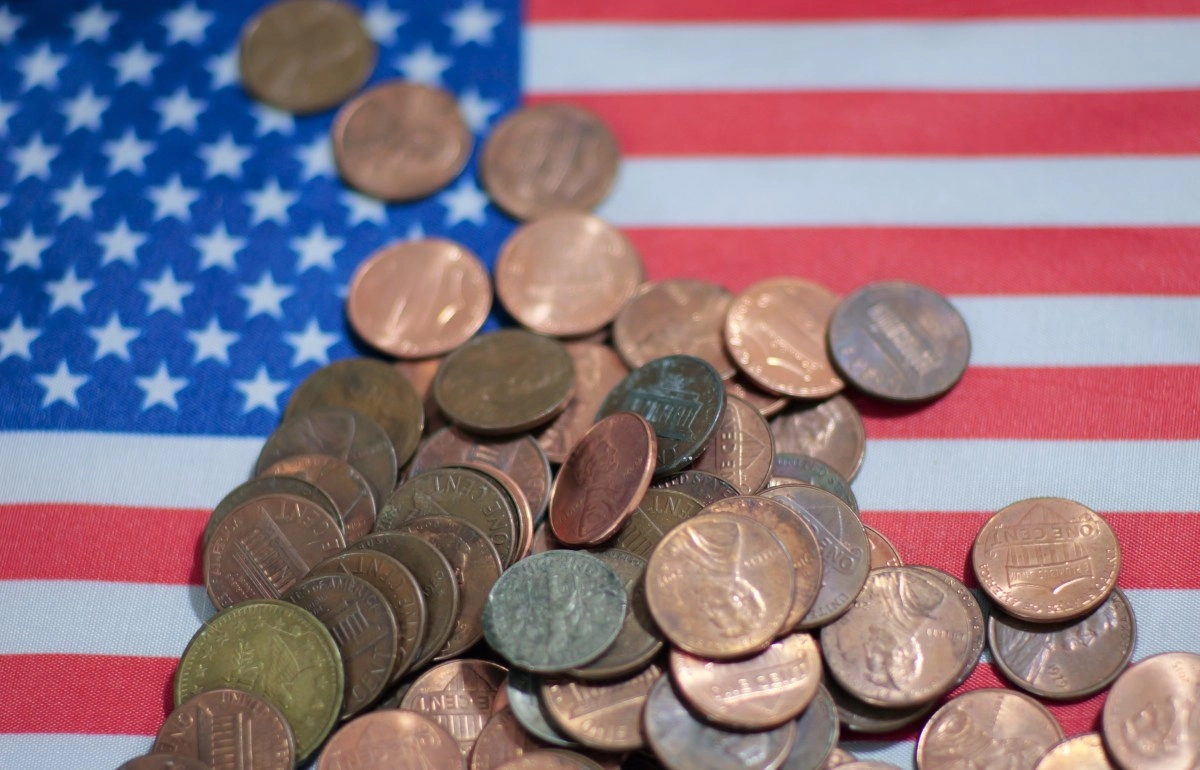

The United States' decision to stop producing new pennies for circulation has created an inevitable question: what to do with all the pennies we still have at home. The announcement has led millions of people to check jars, piggy banks, and drawers, wondering whether they should spend them, save them, or even sell them. Here are three things you should do with your coins, according to an expert collector.
The origin of this change dates back to the beginning of 2025, when the federal government stopped requesting new pennies for circulation. Although only Congress can officially eliminate the coin, the action by the Treasury and the Federal Reserve marked a point of no return.
Despite the political decisions, as long as the penny remains legal tender, it can still be used in your transactions. Existing coins do not lose value. What does change is their availability. Stores have reported shortages, and consumers are beginning to wonder if their pennies could be worth more in the future. Numismatic specialist Joshua McMorrow Hernandez made three recommendations about pennies on his website, US Coins Guide.
1. Save your copper pennies
If you have pennies minted before 1982, save them. These pennies are made of 95% copper and have a metallic value far exceeding that of a penny. McMorrow-Hernandez notes that “their intrinsic copper value makes them worth between 3 and 5 cents each,” which already places them above their face value. Current law prohibits melting down coins to sell the metal, but that doesn't stop you from profiting from them. You can sell lots of copper pennies to collectors or specialized dealers who buy them speculatively. That is, they hold onto them hoping that melting down will be permitted in the future or that numismatic demand will increase. Keeping them separate is simple. Set aside any pennies from 1981 or earlier, and check the 1982 ones, since both copper and zinc pennies were minted that year.Check Zinc Pennies for Errors
Pennies minted after 1982 are made mostly of zinc, and their metallic value is very low. But this doesn't mean you should spend them without looking. McMorrow-Hernandez recommends examining each coin, as many zinc pennies have minting errors that can be worth hundreds or even thousands of dollars.
Some of the most valuable errors include:
Most of these errors can be detected with a simple magnifying glass. If you find one, don't spend it. Often, a photo is all it takes for a numismatic dealer to confirm whether your coin has value.
3. Use Zinc Pennies That Have No Extra Value
Once you've separated the copper pennies and checked the zinc ones for errors, you can safely exchange the rest. McMorrow-Hernandez explains that, due to the shortage, many stores are incentivizing people to turn in pennies. For example, chains like Sheetz have offered free drinks to those who exchange $1 for pennies. Other stores, such as Kwik Trip and Love's Travel Stops, have rounded up purchases to the nearest nickel, helping customers save automatically. It's worth checking if these offers are still available. The lack of pennies in circulation has led to creative, temporary promotions, and you may find new opportunities near you. The end of the penny as everyday currency marks a unique moment in the country's economic history. Saving, checking, and exchanging your coins now can help you take advantage of their real value as the United States redefines its exchange system and monetary policy. You may also be interested in:Chains like Sheetz have offered free drinks to those who exchange $1 for pennies. Other stores, such as Kwik Trip and Love's Travel Stops, have rounded up purchases to the nearest nickel, helping customers save automatically. It's worth checking if these offers are still valid. The shortage of pennies in circulation has led to creative, temporary promotions, and you may find new opportunities near you. The end of the penny as everyday currency marks a unique moment in the nation's economic history. Saving, checking, and exchanging your coins now can help you take advantage of their real value as the United States redefines its exchange system and monetary policy. You may also be interested in:Chains like Sheetz have offered free drinks to those who exchange $1 for pennies. Other stores, such as Kwik Trip and Love's Travel Stops, have rounded up purchases to the nearest nickel, helping customers save automatically. It's worth checking if these offers are still valid. The shortage of pennies in circulation has led to creative, temporary promotions, and you may find new opportunities near you. The end of the penny as everyday currency marks a unique moment in the nation's economic history. Saving, checking, and exchanging your coins now can help you take advantage of their real value as the United States redefines its exchange system and monetary policy. You may also be interested in: