

ICE orders body cameras on all arrest teams after two fatal shootings
DHS will reinforce the use of body cameras in ICE after two deaths that reignited the debate
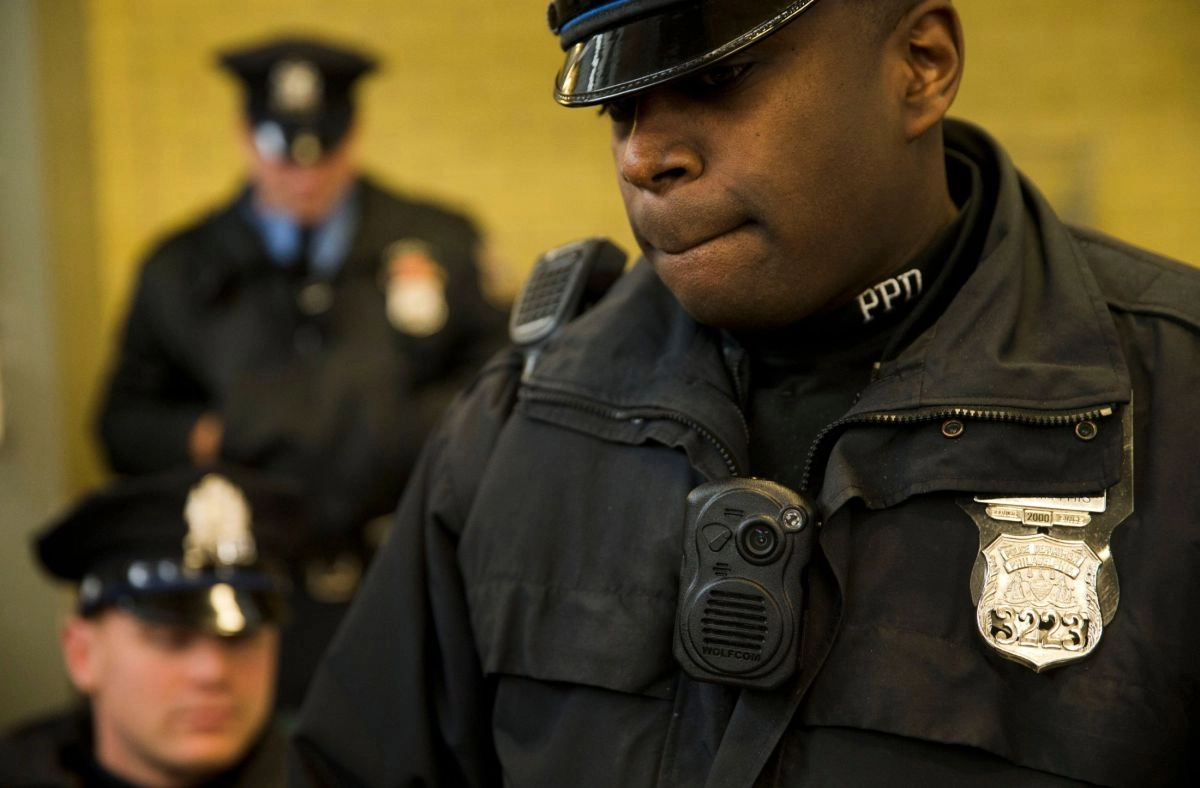

The Department of Homeland Security (DHS) announced that all detention teams of the Immigration and Customs Enforcement Service (ICE) must have, at a minimum, one agent equipped with a body camera, a measure that comes after two fatal shootings that occurred during immigration operations and that raised questions about the use of force by the authorities.
According to information from CBS News, the decision was made after a Mexican immigrant died in Houston, Texas, and a Colombian immigrant died in Biddeford, Maine, in separate incidents where the officers involved were not wearing body cameras.
“Ensuring that all of our ICE agents have body cameras nationwide is a top priority for DHS,” the agency said in a statement.
DHS accelerates deployment of body cameras
The DHS reported that more than half of the ICE regional offices already have these devices and assured that the rest will receive the equipment within 60 days.
The agency attributed the delay to funding problems stemming from the partial government shutdown earlier this year. However, Democratic lawmakers maintain that Congress has already approved enough resources to accelerate the program.
Representative Sylvia García, Democrat of Texas, assured that the acting director of ICE, David Venturella, promised her that all agents on duty will have access to body cameras before the end of July.
“Trust me, I will demand that he keep his word,” declared the legislator.
ICE vehicle arrests also change
Following the events that occurred in Texas and Maine, ICE also temporarily suspended most vehicle arrests during its operations, except in cases related to people considered high risk.
According to the aforementioned media, the pause will allow agents to be retrained on intervention protocols and the use of body cameras.
The deaths of both immigrants revived the debate about ICE tactics and the need to have audiovisual evidence during operations, a practice that civil organizations consider key to strengthening transparency and accountability.