

Pentagon analyzes a possible air assault against Cuba, reveals CBS
While the military designs contingency plans, Marco Rubio's strategy continues to focus on financially suffocating the Cuban regime
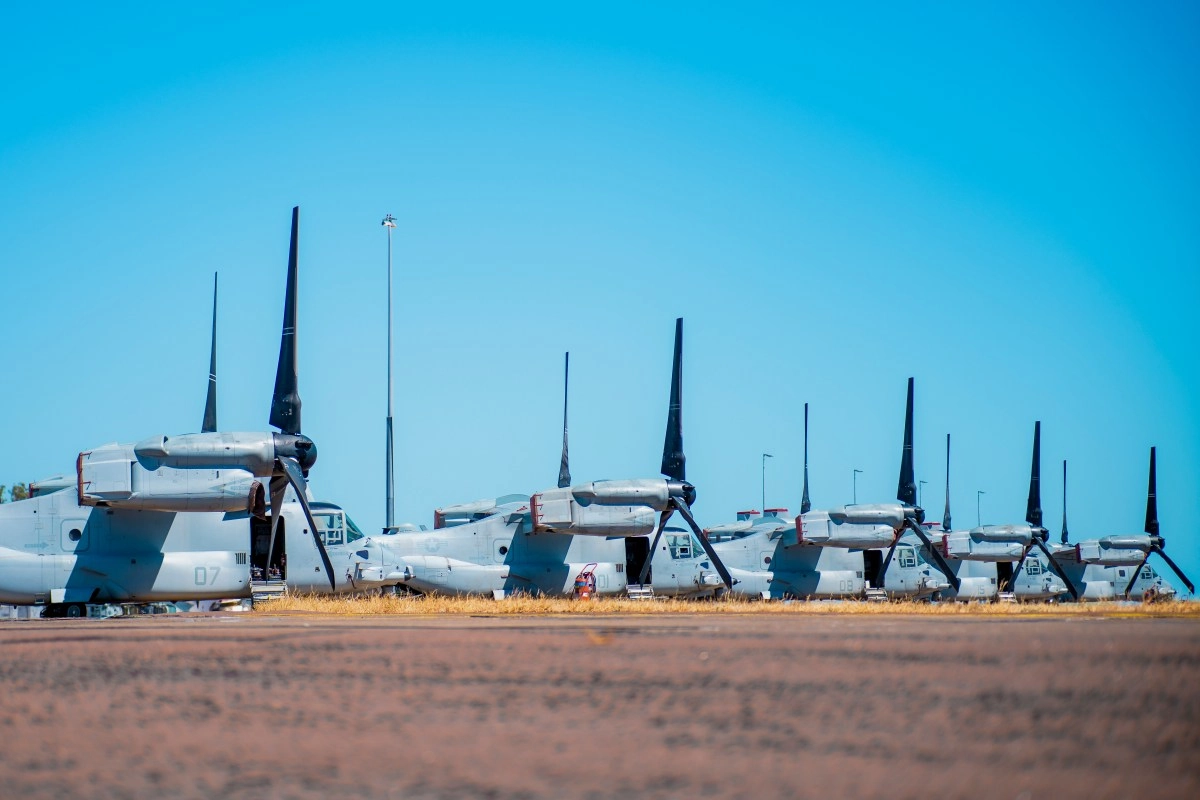

In recent weeks, the United States Department of Defense has evaluated different scenarios for possible military action against Cuba, including an eventual air assault led by the 101st Airborne Division, one of the most specialized units of the US Army. However, administration officials stress that these planning exercises do not represent a decision to begin an operation against the island.
According to information released by CBS News and based on sources familiar with the conversations, the analyzes are part of the Pentagon's usual strategic planning processes to respond to different international scenarios. These evaluations include aspects such as mission objectives, necessary resources, logistics, risks and number of troops required.
The acting Pentagon spokesman, Joel Valdez, avoided commenting on the content of the discussions and noted that the Department of Defense does not comment on “hypothetical military operations.” Meanwhile, the White House has also not confirmed the existence of a plan to act against the Cuban government.
Military attention remains focused on other conflicts
The sources consulted consider a military operation unlikely in the short term because a good part of the strategic capabilities of the United States remain concentrated in the Middle East, especially after the resumption of military operations related to Iran.
In parallel, the Secretary of State, Marco Rubio, continues to defend a strategy of political, economic and diplomatic pressure to promote a transition in Cuba. The Trump administration has increased sanctions against companies linked to the Cuban military apparatus, especially the GAESA conglomerate, in addition to reinforcing financial and immigration restrictions against regime officials.
Washington maintains that these measures seek to weaken the Cuban government's financing sources and promote political changes, while Havana accuses the United States of deepening the economic crisis facing the island by tightening the embargo.
Security concerns grow in the Caribbean
The discussions at the Pentagon coincide with recent security concerns about Cuban military capabilities. According to CBS News, US officials have closely followed reports about Cuba's acquisition of attack drones, the origin of which has not been publicly specified.
During a visit to the Guantánamo Naval Base in June, Secretary of Defense Pete Hegseth warned that any attempt by the Cuban government to develop weapons capable of reaching that military installation or US territory would be considered a serious provocation.
Tensions between both countries have also intensified following the restoration of Cuba on the list of state sponsors of terrorism and the expansion of economic sanctions since the return of President Donald Trump to the White House.
Despite the hardening of the bilateral relationship, US officials acknowledge that cooperation on some issues, such as migration, continues on a limited basis. Analysts consider that, for now, military planning exercises respond mainly to the Pentagon's obligation to prepare for various scenarios, rather than to the imminence of an intervention, while the diplomatic route remains Washington's official position.