

US military attacks altered drug trafficking routes in the Caribbean, but did not stop the flow of drugs
An analysis concludes that the military offensive forced traffickers to modify their transportation methods, but they maintain their operational capacity intact.
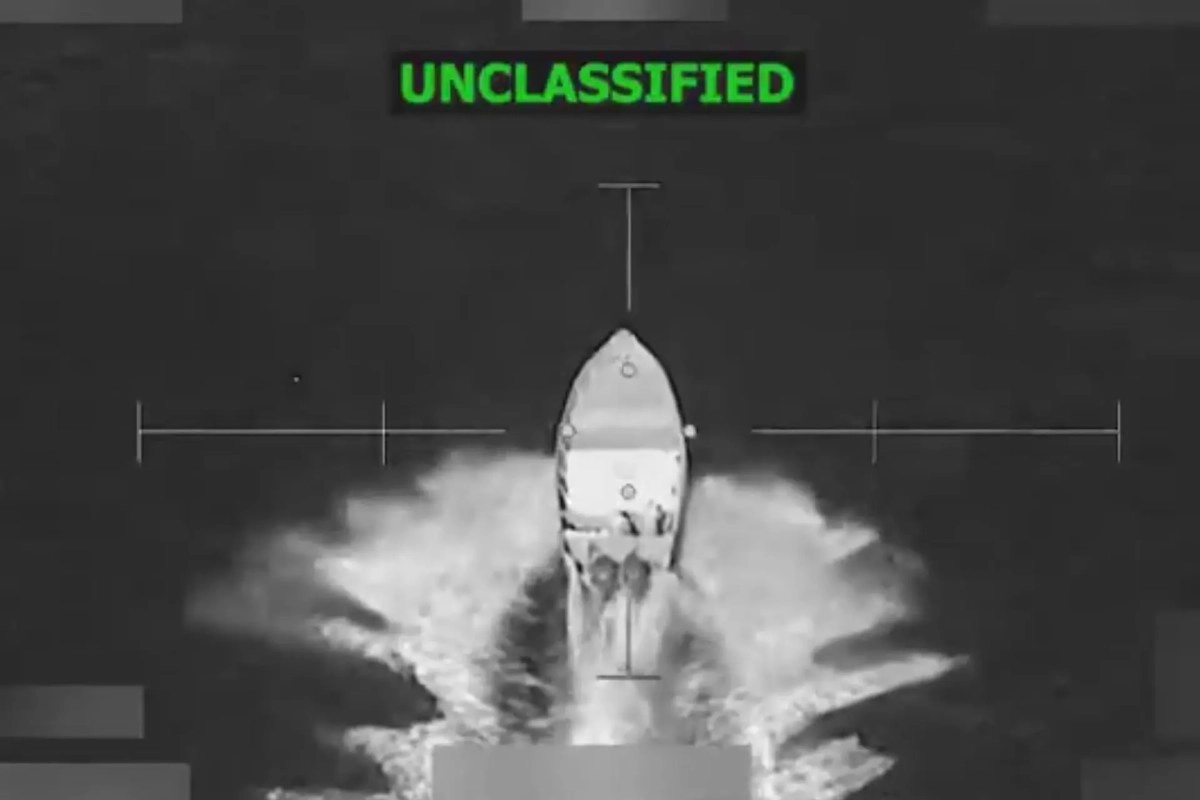

The military strategy promoted by the United States to combat drug trafficking in the Caribbean modified some of the main routes used by criminal organizations to transport cocaine, but it failed to significantly reduce the volume of trafficking or dismantle the structures that support the illicit business, according to an analysis published by InSight Crime.
The study indicates that the US campaign, based on attacks against vessels suspected of transporting drugs, generated an immediate effect on certain maritime corridors, particularly those that connect the Venezuelan coast with several Caribbean islands. However, criminal groups responded quickly by adapting their operations and shifting shipments to new, less guarded routes.
According to the foundation, the Caribbean became the first scenario where Washington implemented a strategy that combines military operations with lethal attacks against suspected traffickers. After the first bombings, the United States maintained sporadic actions against suspicious vessels and even deployed a significant naval and military force in the region.
The Donald Trump administration subsequently expanded that policy by creating the “Shield of the Americas,” a coalition of Latin American and Caribbean governments aimed at combating drug trafficking through the use of military capabilities. However, this approach raises questions about both its effectiveness and its compatibility with international law and human rights standards.
Adaptation of organized crime
The report documents that criminal organizations quickly turned to alternative corridors.
These include the increase in clandestine flights to Guyana, the greater use of land and river routes through the Venezuelan and Brazilian Amazon, as well as the use of fishing boats, inter-island ferries, private yachts and even semi-submersibles, a modality increasingly used to reduce the risk of aerial detection.
The analysis also highlights that the US strategy barely affected the main cocaine export mechanism: commercial ports, where the drug continues to be hidden among legal cargo destined for the United States, Europe and other international markets.
Furthermore, beyond the operational impact, the US strategy has also generated diplomatic tensions.
The report recalls that Colombian President Gustavo Petro described the attacks as an “act of tyranny” and announced restrictions on intelligence sharing with Washington due to concerns related to human rights.
In Mexico, President Claudia Sheinbaum rejected any possibility of US military operations in national territory by warning that “there will be no invasion.”
Reservations also emerged among European partners. Dutch intelligence officials and reports cited by CNN said some governments reconsidered sharing sensitive information out of fear it could be used for lethal military operations.
According to the United Nations Office on Drugs and Crime (UNODC), organizations dedicated to international cocaine trafficking have historically demonstrated a high capacity to adapt when faced with state pressure, shifting routes and modifying transportation methods without necessarily reducing the overall volume of illicit trade. This trend coincides with the conclusions of InSight Crime's analysis of the US campaign in the Caribbean.