

LeBarón family asks to review the finances of “El Mayo” Zambada to claim compensation for the 2019 massacre
Victims of one of the most brutal attacks in Mexico request access to the boss's assets declaration and obtain compensation
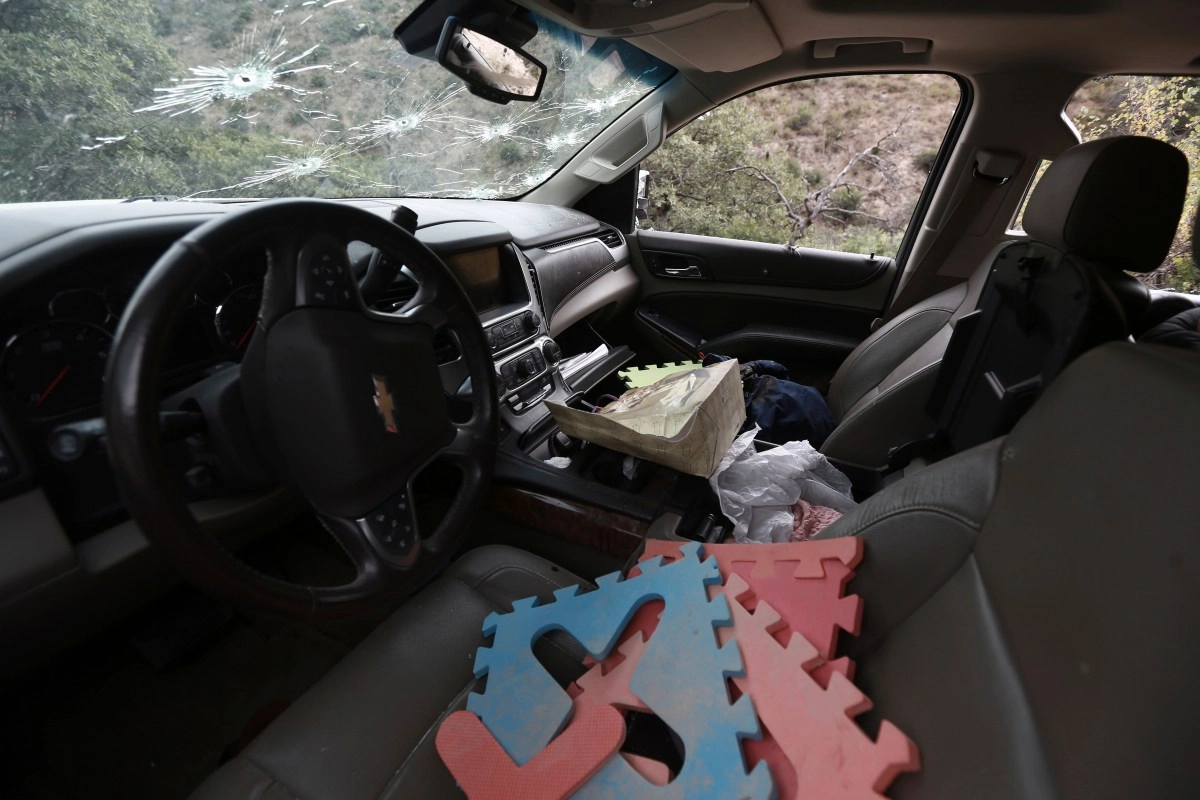

The LeBarón family intensified their legal battle to obtain compensation for the Bavispe massacre, in the northern state of Sonora, by asking a United States federal court for authorization to review the finances of Ismael “El Mayo” Zambada, considering it unlikely that one of the most powerful drug traffickers in the world would lack assets to respond to a multimillion-dollar sentence.
A few days before the sentencing hearing of the co-founder of the Sinaloa Cartel, scheduled for July 20, the legal representatives of the victims' families asked Judge Brian M. Cogan to allow them access to the financial statement that Zambada himself had to deliver to the US government as part of his plea agreement.
The request is part of the litigation undertaken by the relatives of the victims of the attack that occurred on November 4, 2019 on the borders of Sonora and Chihuahua, where nine members of the LeBarón, Langford and Miller families, six of them minors, were murdered during an ambush attributed to the La Línea criminal group, the armed wing of the Juárez Cartel.
In the brief presented before the Court of the Eastern District of New York, the lawyers maintain that the families obtained a civil judgment in 2022 against the Juárez Cartel for terrorism and seek to execute that ruling by seizing blocked assets that belong to Zambada, whom they consider an agent or instrument of that criminal organization.
The legal representatives affirm that the US government intends to channel any payment derived from the confiscation directly to the Department of Justice, without allowing victims to claim these resources under the Terrorism Risk Insurance Act (TRIA), legislation that authorizes victims of terrorism to foreclose assets of organizations or persons designated for terrorism or drug trafficking.
One of the main arguments of the LeBarón family points to the apparent contradiction between the criminal history attributed to Zambada and the official statement that there are no identified assets to cover a seizure valued at $15,000 million dollars.
In the court document, attorneys call “troubling” the government's representation that one of the drug traffickers “who has made billions of dollars in profits” has no assets located, when his plea agreement requires him to submit a full financial report before sentencing.