

Alcohol intake, food poisoning, and respiratory infections on New Year's Eve
These days, due to the euphoria and excessive celebrations caused by the festivities, we let ourselves be carried away by impulses, which is not entirely appropriate
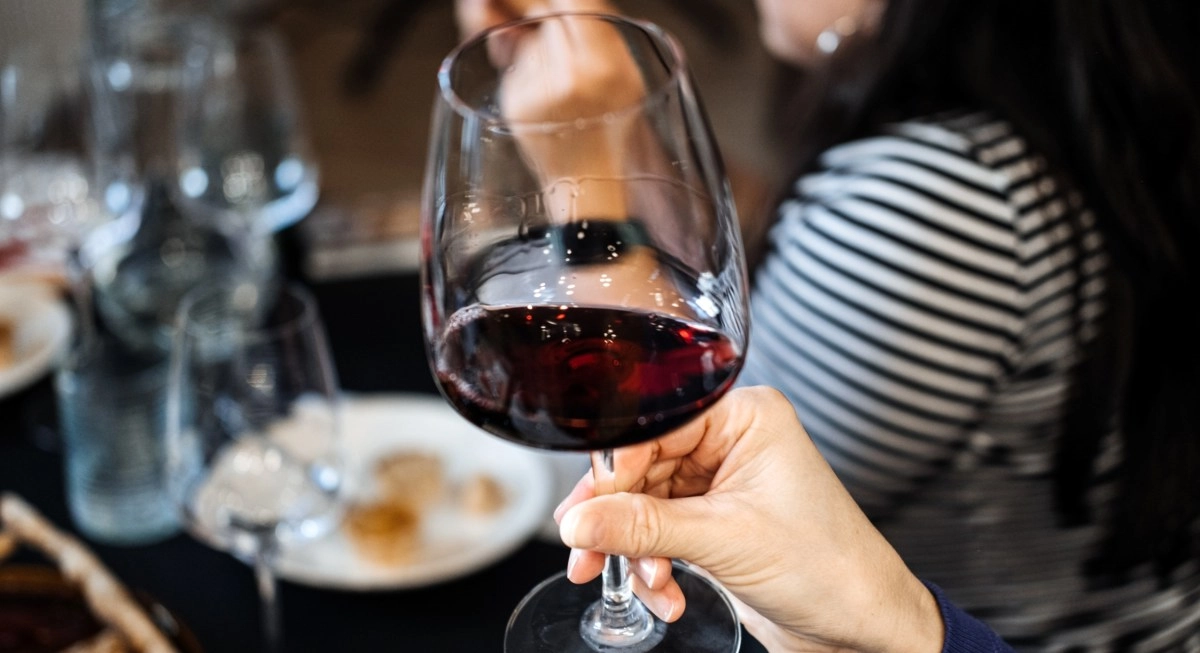

New Year's Eve sees a notable increase in the number of patients in emergency departments. Traffic accidents, poisonings, and respiratory infections are some of the most common causes of visits at this time of year. These days, due to the euphoria and excessive celebrations caused by the festivities, we let ourselves be carried away by impulses, which is not entirely appropriate, and we "pay the price," sometimes very clearly. The first thing to suffer is our health, whether due to accidents or inappropriate eating. "Generally, we say, well, we'll have time to eat the grapes, and we usually bring a special meal to have a little celebration in the office, but we almost never can," says Rosa Perez, outreach coordinator for the Spanish Society of Emergency Medicine (SEMES), recounting to EFE Health what she has experienced in hospital wards. Frequent causes of emergency room visits: Alcohol consumption and accidents. Alcohol abuse during the New Year's celebrations results in an increase in traffic accidents and poisonings. Doctors warn of the risks, especially among young people. Food poisoning. Food poisoning is prevalent due to improper food handling, especially leftovers from previous celebrations. Education on proper food storage is crucial to avoid these situations. Respiratory infections. The context of epidemics, such as the flu, increases visits for respiratory infections on New Year's Eve. Chronic patients, who may experience a worsening of their condition due to changes in their routines, require special attention during these festivities. Choking. Choking on grapes is a significant risk on the night of December 31st. It is recommended to take precautions, such as choosing small grapes and teaching obstruction dislodgement maneuvers. Prevention and quick action are essential to avoid serious complications.
Tips to Avoid Health Risks
To enjoy the end-of-year celebrations safely, follow these practical tips focused on food, alcohol consumption, hygiene, and physical activity. These habits help prevent food poisoning, overindulgence,and unnecessary risks.
Hygiene and Food. Wash your hands, utensils, and food before preparing meals, and keep food refrigerated to prevent spoilage, especially mayonnaise and salads that are only added at the time of consumption. Avoid leaving food at room temperature for more than 2 hours and do not share glasses or cutlery with others.
Moderate Alcohol. Eat well before drinking, drink slowly, and alternate with water to limit your intake; never drive if you have consumed alcohol or are taking medication. Use small glasses and opt for non-alcoholic beverages between alcoholic drinks to reduce risk.
Activity and Well-being. Stay active with walks after meals, especially outdoors, and don't skip meals to control portions. Stay home if you're not feeling well, wear a mask indoors, and maintain social distancing.