

Impact of inflammatory bowel disease: the importance of early detection
Approximately 50% of patients with inflammatory bowel disease also present symptoms of anxiety and depression
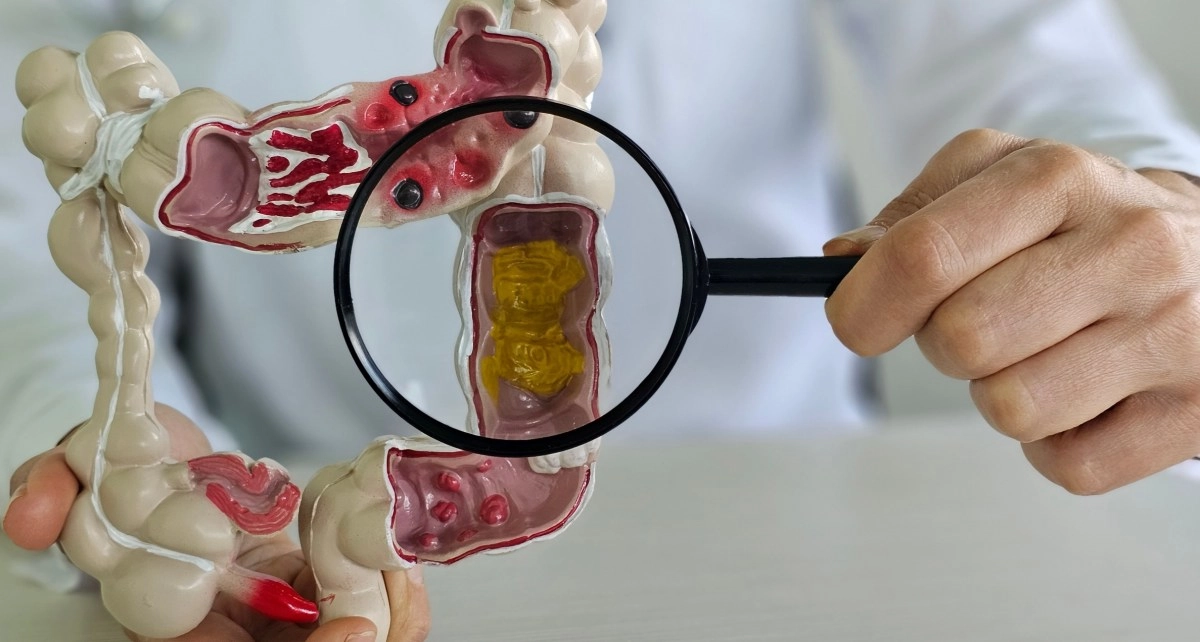

Inflammatory Bowel Disease (IBD) affects approximately 1% of the population, including ulcerative colitis and Crohn's disease. Both are conditions that can occur at an early age and have significant effects on patients' quality of life.
The topic comes to place this May 19, considered World Intestinal Diseases Day, when it is highlighted that early diagnosis is crucial for effective treatment.
In the case of Crohn's disease, early diagnosis is very important because it is an “evolutionary” disease, says Dr. Ana Gutiérrez, head of the Digestive System Service Section at the Dr. Balmis University Hospital in Alicante.
He told Onda Cero that, if it is detected when “strictures in the intestine or abscesses have not yet formed and if they are diagnosed early or treated with effective drugs, it can allow patients to have a completely normal life.”
While in the case of ulcerative colitis, it is vital to “catalog the patients well” to be able to personalize the treatment so that they can lead a completely normal life without symptoms.
IBD and the impact on mental health
On the other hand, it is noted that approximately 50% of patients with inflammatory bowel disease also present symptoms of anxiety and depression, which highlights the need for a comprehensive approach to their treatment.
The gut-brain axis involves a crucial interaction between these two parts of the body. Intestinal inflammation can increase tissue permeability, allowing harmful substances to reach the brain, causing brain inflammation and reducing the production of serotonin, a key hormone in regulating mood.
Experts such as Dr. María Pilar Nos, head of the Digestive Medicine service at the La Fe hospital in Valencia, advocate a holistic approach that combines the treatment of intestinal inflammation with the psychological and social well-being of patients. A treatment that considers the patient as a whole, instead of focusing solely on physical symptoms, reports EFE Salud.
The specialist warned that some patients develop anticipatory fear of everyday situations such as traveling, working or maintaining a normal social life, which can lead to serious emotional disorders if they are not detected and treated in time.
“You no longer treat an inflamed intestine, but a person, with everything that entails,” he concluded.
Interdisciplinarity in mental health
To this, psychiatrist Eduardo Aguilar highlights the need for psychosocial models in the treatment of chronic diseases, considering that adequate psychiatric treatment can improve quality of life and adherence to treatments.
Furthermore, the importance of better screening for psychiatric conditions and support for caregivers is highlighted.
Value and role of hospital pharmacy
At the same time, Joaquín Borrás, from the Sagunto Hospital, emphasizes to EFE the growing importance of pharmacy services in the care of chronic patients.
It highlights that a coordinated pharmacological approach can increase medication safety, improve adherence and personalize therapies, thus optimizing health system resources.
You may also be interested in:
· Revolutionary advance in the diagnosis of prostate cancer: new urine test improves patient follow-up · When should you have a mammogram? The importance of considering individual risk Sleep apps: benefits and hidden risks