

One in three people suffers from fatty liver, and it can be transmitted from individual to individual
The evolution of the etiology of hepatic steatosis has led to a more holistic approach, which considers not only the liver
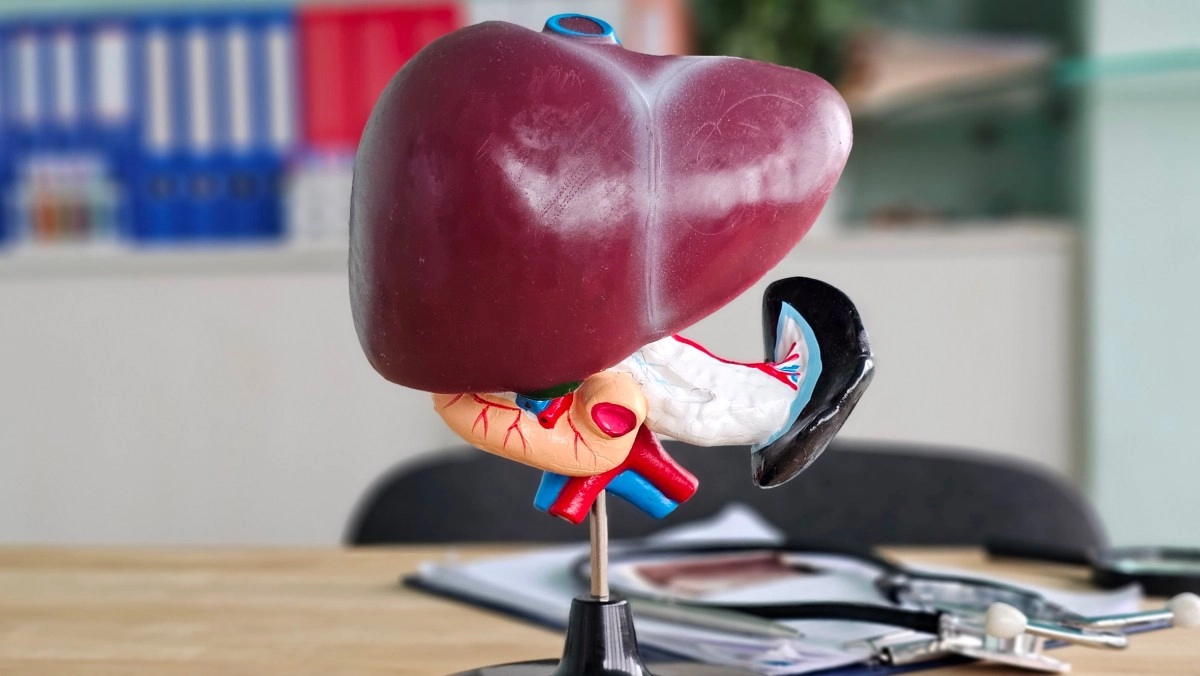

Hepatic steatosis, popularly known as fatty liver, is a chronic disease linked to obesity and diabetes, which is present in one-third of the population. However, only 20% will develop significant liver disease, notes renowned Spanish hepatologist Javier Crespo. Crespo, born in 1961 in Torrelavega, Cantabria, was already working in this field long before hepatitis C was even discovered, according to La Voz de la Salud, the publication to which he granted an interview. He is currently the director of the Cantabria Cohort, a pioneering observational clinical research study in Spain, which is being conducted at Valdecilla Hospital. He emphasizes that the presence of certain comorbidities, such as obesity and diabetes, increases the risk of developing this condition. He also mentions the influence of genetic factors and the microbiota, suggesting that liver health can be inherited.
“There are genetic determinants. From the point of view of factors, the microbiota also plays a very important role (…) The microbiota genotype we have can even cause the body itself to produce metabolites that are toxic to the liver, such as alcohol. That is to say, in a non-alcoholic disease, the paradox could arise that, in some cases, alcohol plays a role, even if it is not consumed. This is endogenous alcohol,” he maintains.
Prevalence of fatty liver
Crespo points out that of 100% of people with fat in the liver, 20% will have significant liver disease. “And only 5% will have a significant or serious liver disease, so to speak,” he clarifies. "Fatty liver, which we technically call metabolic hepatic steatosis, is a condition that is almost always associated with two other conditions, or at least one of them: obesity and diabetes mellitus. All of these have increased extraordinarily in recent years. In Spain, between 20 and 25% of people live with obesity; they live with excess weight."about 60%; and those who suffer from type 2 diabetes, between 14 and 17%. With those figures, if metabolic hepatic steatosis is a disease that accompanies these other conditions, it's not surprising that a third of those affected have it,” he pointed out.
Changes in the understanding and treatment of the disease
The evolution of the etiology of hepatic steatosis has led to a more holistic approach, which considers not only the liver, but also cardiovascular and renal health.
Detection methods and the need for rehabilitation that considers a lifestyle approach are being considered.
The specialist emphasizes the importance of demystifying liver disease, highlighting that it is not limited to those who consume alcohol. Rehabilitation and health education should be part of the treatment for those with fatty liver, given their high risk of mortality.
Symptoms of fatty liver
Hepatic steatosis, or fatty liver, is usually asymptomatic in its initial stages, so it is often detected in routine examinations.
Initial symptoms Common. When mild symptoms appear initially, the most frequent include:
Also monitor for mild abdominal bloating, occasional nausea, or loss of appetite without apparent cause, as these may indicate early progression. Consult a doctor if they persist, along with tests such as ultrasounds or liver function tests for confirmation.
Diet changes
Dietary changes are key to preventing and treating non-alcoholic fatty liver disease (NAFLD), focusing on reducing liver fat accumulation through healthy foods and avoiding excess calories.
Recommended diet. The Mediterranean diet is the most effective, rich in fruits, vegetables (at least 5 servings daily), legumes (3-4 times per week), whole grains, and foods with omega-3 fatty acids such as oily fish (2-3 times per week), nuts, and olive oil.
Eliminate alcohol, refined sugars, red meat, ultra-processed foods, saturated fats, and sugary drinks; limit bread, pasta, and refined sweets.
Additional benefits. Combining it with weight loss (5-10% of body weight) and regular exercise enhances the reversal of liver fat, improving inflammation and insulin resistance.
You may also be interested in:
• A key factor in longevity is fasting, but not just any kind, says expert• A particular plant-based diet helps keep the brain young• Consuming these 11 types of natural foods increases your collagen