

Supreme Court allows Trump to restrict birthright citizenship, but with limitations
The Supreme Court blocked President Trump’s decision in 22 states, covering lawsuits from immigrants, governments, and civil organizations
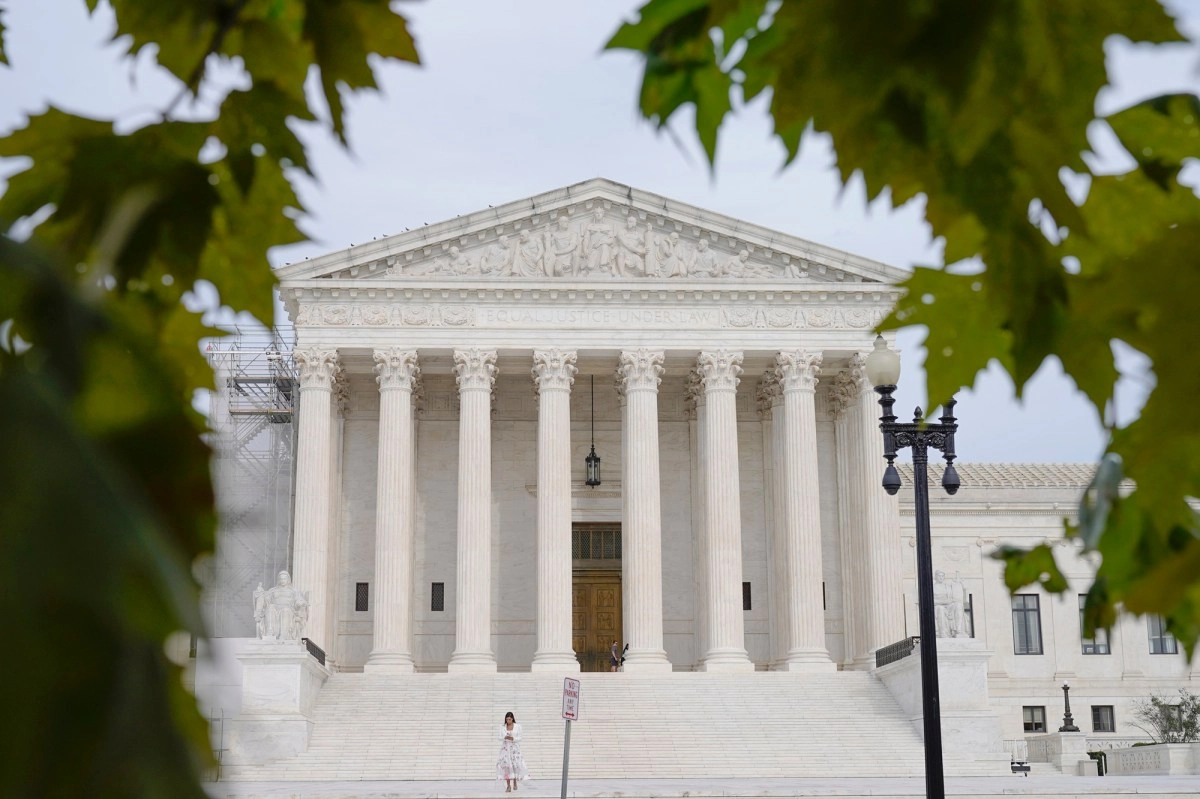

The Supreme Court allowed President Donald Trump's executive order restricting birthright citizenship to go into effect, but it will only be in 22 states for now.
The 6-3 decision seeks to limit judges' ability to block the president's policies at the national level, which means that decisions by District judges and even appeals courts will cover states in jurisdiction in lawsuits.
President Trump's executive order seeks to prevent children of undocumented immigrants and foreigners with temporary visas (tourists, students, workers) from obtaining citizenship by birth.
The judges have not ruled on whether President Trump's decision to restrict birthright citizenship is constitutional, due to the debate over the 14th Amendment.
However, this decision will allow the Trump Administration to implement the executive order within 30 days, but it will not strip citizenship from children of undocumented immigrants; it will apply to new births.
The Supreme Court's decision limited the rulings to block Trump's order in its application to the 22 states led by Democrats, pregnant women, and civil organizations that are suing.
The cases will return to the courts where the original lawsuits were filed, after which both the plaintiffs and the federal government could refile the case once the appeals courts issue their final rulings.
The opinion in favor of the Trump administration was written by Judge Amy Coney Barrett, a Trump nominee, who focused on district court injunctions deemed universal, saying they “likely exceed the equal authority Congress has granted to the federal courts.”
Justice Sonia Sotomayor wrote the dissenting opinion, which criticized the Trump administration’s efforts to end birthright citizenship, while attacking his conservative colleagues for allowing judicial maneuvering by the federal government, which focused its defense on the scope of district court decisions in outlining government policy.
More than half a dozen lawsuits challenging Trump’s order were filed in courts across the country before it took effect, but three federal district courts in Washington, Maryland, and Massachusetts blocked it.
The central argument of the Department of Justice, which represented the Trump administration, was that the Supreme Court justices limited the application of the birthright citizenship order to 28 states and to people not involved in the ongoing cases.
Trump celebrates decision
President Trump celebrated the Supreme Court’s decision on his executive order against birthright citizenship, referencing that the 14th Amendment applied only to the children of slaves.
“HUGE WIN at the Supreme Court of the United States! Even the deception of Birthright citizenship has been indirectly hit. It’s about babies born to slaves (same year!), not FRAUD in our immigration process. Congratulations to our Attorney General Pam Bondi, and to Attorney General John Sauer, and the entire DOJ,” Trump wrote on his Social Truth page.
Attorney General Pam Bondi also celebrated the judges’ decision and focused on the lower court injunctions against Trump policies.
“Today, the Supreme Court ordered the district courts to stop the endless flood of nationwide injunctions against President Trump,” she said. “This would not have been possible without the tireless work of our excellent lawyers @TheJusticeDept and our Attorney General, John Sauer. This Department of Justice will continue to zealously defend @POTUS’ policies and his authority to implement them.”