

Coalition of prosecutors presses to expand multilingual emergency alerts
New York Attorney General Letitia James leads lawsuit to issue multilingual emergency alerts in at least 13 languages
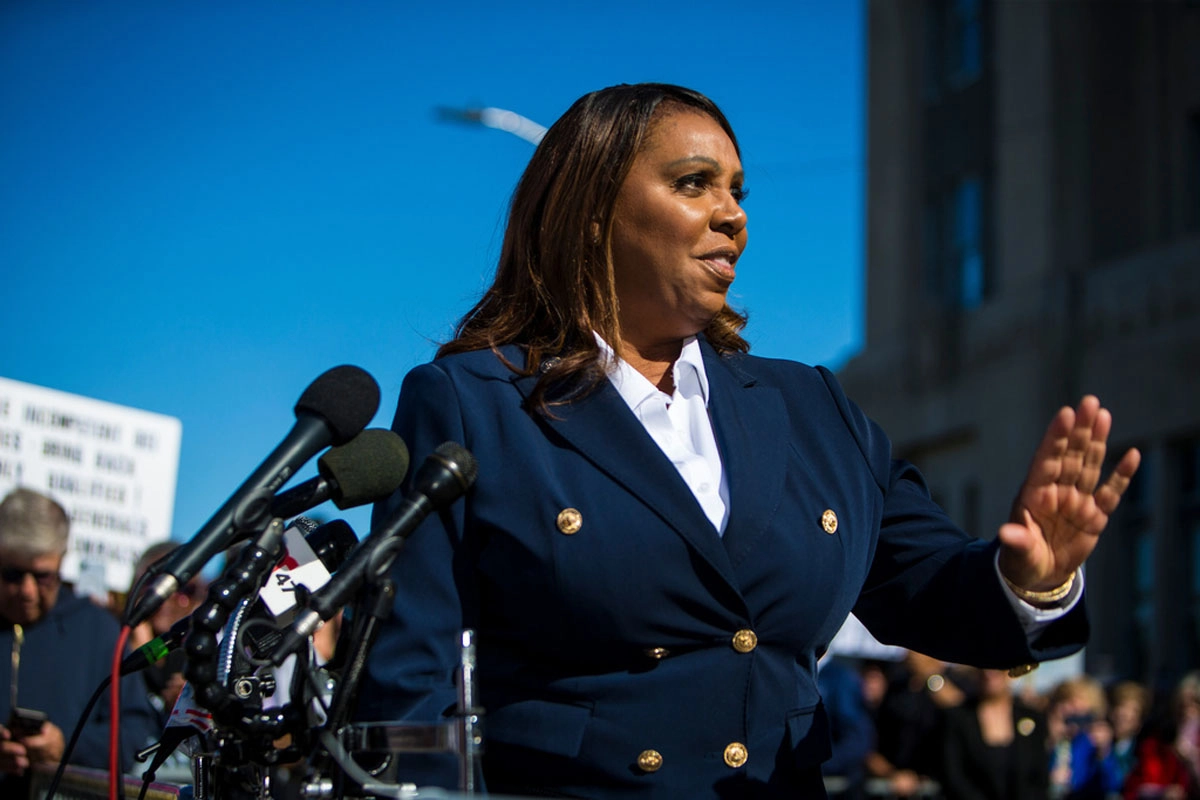

New York Attorney General Letitia James is leading a coalition of 18 other attorneys general and the City of New York to demand that the Federal Communications Commission (FCC) immediately publish a rule aimed at expanding language access to government emergency alerts sent to mobile phones when a critical event occurs risky to the population.
Currently, these alerts are only sent in English and Spanish, but they could save more people from endangering their safety if they were also generated in other languages.
A new rule adopted unanimously by the FCC in January of this year provides for expanding the alerts to 13 other languages. However, during the 10 months since its enactment, the FCC has done very little to implement it. Therefore, Attorney General James and the coalition supporting her sent a letter warning that if the rule is not submitted for publication within 30 days, they will take legal action. "Language should never be a barrier to lifesaving information. All New Yorkers, regardless of their language, deserve to know what to do when danger arises. The FCC's failure to publish this unanimously approved rule is unacceptable and endangers the public. We demand that the FCC take immediate action to ensure that no community is left uninformed during future hurricanes, wildfires, or floods," the document states. It should be noted that Wireless Emergency Alerts (WEAs) are similar to text messages and are sent by government agencies through mobile carriers. Mobile telephony to warn the population about imminent threats, such as adverse weather conditions, natural disasters, missing persons, or public safety emergencies.
Two years ago, The FCC voted to move forward with expanding multilingual emergency alerts, giving telephone companies 30 months from the date of publication of the order to adapt their systems and begin issuing them in the 13 most spoken languages ????after English and in American Sign Language. The major point of contention is that the order remains unpublished, preventing the project from moving forward and leaving millions of people at risk in the event of a hazardous event. Without greater linguistic accessibility for WEAs,Immigrant communities across the country, who have limited English proficiency and do not speak Spanish, lack access to critical information to protect themselves and their families from adverse weather conditions and other emergencies.