

Minnesota sues the Trump Administration; demands information on the deaths of Renee Good and Alex Pretti
Argues that the federal government cannot withhold evidence to protect its agents when they are investigated for abuses on state territory
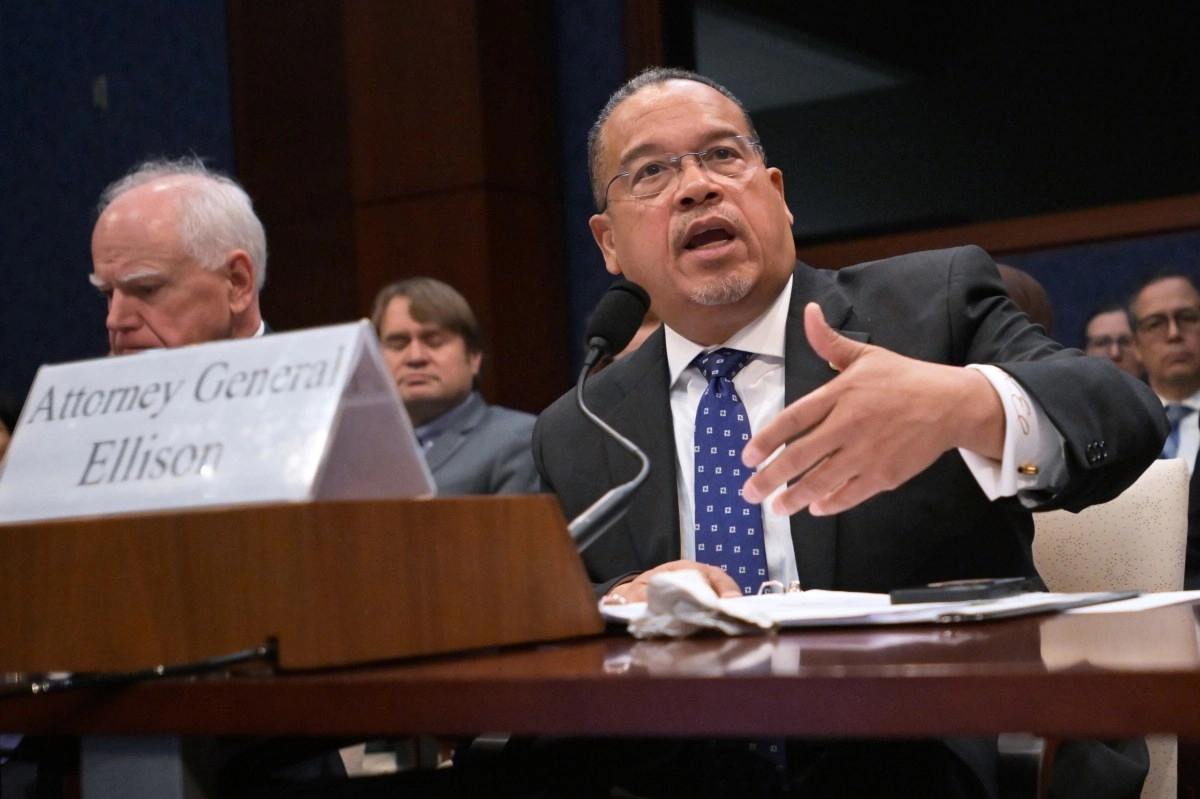

In a direct challenge to the White House's security policies, the state of Minnesota and Hennepin County filed a federal lawsuit against the Donald Trump administration. The lawsuit demands the immediate release of evidence related to the shootings in which U.S. citizens Renee Good and Alex Pretti were killed by federal agents. The plaintiffs also criticized immigration enforcement operations and warned that the shootings are “examples” of the violent actions committed by federal agents in Minnesota. “Federal agents also conducted illegal detentions, raids, arrests, and dangerous operations in public spaces. The operation generated widespread fear among Minnesota residents, both citizens and non-citizens,” the lawsuit details. The lawsuit has also asked the court to declare the practice of the DHS and DOJ refusing to share investigative material with Minnesota authorities as “arbitrary and capricious” and excessive with respect to the application of the Administrative Procedure Act (APA). According to state prosecutors, the federal government has blocked access to key information to protect ICE and Border Patrol agents from potential charges. criminal cases.
A Trail of Blood in “Metro Surge”
The events that prompted the lawsuit date back to last January, during the execution of Operation Metro Surge, a massive deployment of thousands of federal agents in the Minneapolis and St. Paul area. What President Trump hailed as a “success” in his national deportation campaign, local authorities describe as an operation marked by excessive force and chaos.
On January 7, Renee Good, 37, was shot and killed by an ICE agent while peacefully protesting a raid. Just 20 days later, on January 24, nurse Alex Pretti,Also 37 years old, he was shot by a Border Patrol officer while trying to help a woman during another protest. The lawsuit also seeks information about the case of Julio Cesar Sosa-Celis, a citizen shot in the leg by federal forces. “The principles of federalism do not permit the federal government to withhold evidence in order to protect its agents from scrutiny when a state investigates serious violations of its criminal laws within its borders,” states the legal document signed by the state attorney general, Keith Ellison, and the Hennepin County attorney, Mary Moriarty. The lawsuit alleges that, following the incidents, federal authorities “quickly failed to deliver” on their promises of cooperation. Instead of allowing the Minnesota Bureau of Criminal Apprehension to process the scenes, DHS agents took exclusive possession of the evidence and cordoned off the areas, preventing even Minneapolis police from entering. The situation worsened when then-Secretary of Homeland Security Kristi Noem justified the officers' actions by labeling the deceased citizens "domestic terrorists," a stance that Attorney General Moriarty called an attempt to deflect responsibility. Unlike previous administrations, the Department of Justice, under Attorney General Pam Bondi, has decided not to open civil rights investigations in Good's case, claiming there are no grounds to do so. In response to this refusal, Minnesota is seeking to compel Washington to be held accountable in the courts. “It’s as if we’re going straight to the heart of the administration with our demands,” Moriarty declared after filing the lawsuit in the nation’s capital. Federal officials, for their part, have argued that not all shootings require civil rights investigations, stating that these depend on specific circumstances. The case could set a precedent regarding the limits of federal authority over state investigations, at a time when immigration policy continues to be one of the most polarizing issues in the United States.The legal document, signed by the state attorney general, Keith Ellison, and the Hennepin County attorney, Mary Moriarty, states:
Opacity and broken promises
The lawsuit alleges that, following the incidents, federal authorities “quickly failed to deliver” on their promises of cooperation. Instead of allowing the Minnesota Bureau of Criminal Apprehension to process the scenes, DHS agents took exclusive possession of the evidence and cordoned off the areas, preventing even Minneapolis police from entering. The situation worsened when then-Secretary of Homeland Security Kristi Noem justified the officers' actions by labeling the deceased citizens "domestic terrorists," a stance that Attorney General Moriarty called an attempt to deflect responsibility. Unlike previous administrations, the Department of Justice, under Attorney General Pam Bondi, has decided not to open civil rights investigations in Good's case, claiming there are no grounds to do so. In response to this refusal, Minnesota is seeking to compel Washington to be held accountable in the courts. “It’s as if we’re going straight to the heart of the administration with our demands,” Moriarty declared after filing the lawsuit in the nation’s capital. Federal officials, for their part, have argued that not all shootings require civil rights investigations, stating that these depend on specific circumstances. The case could set a precedent regarding the limits of federal authority over state investigations, at a time when immigration policy continues to be one of the most polarizing issues in the United States.The legal document, signed by the state attorney general, Keith Ellison, and the Hennepin County attorney, Mary Moriarty, states:
Opacity and broken promises
The lawsuit alleges that, following the incidents, federal authorities “quickly failed to deliver” on their promises of cooperation. Instead of allowing the Minnesota Bureau of Criminal Apprehension to process the scenes, DHS agents took exclusive possession of the evidence and cordoned off the areas, preventing even Minneapolis police from entering. The situation worsened when then-Secretary of Homeland Security Kristi Noem justified the officers' actions by labeling the deceased citizens "domestic terrorists," a stance that Attorney General Moriarty called an attempt to deflect responsibility. Unlike previous administrations, the Department of Justice, under Attorney General Pam Bondi, has decided not to open civil rights investigations in Good's case, claiming there are no grounds to do so. In response to this refusal, Minnesota is seeking to compel Washington to be held accountable in the courts. “It’s as if we’re going straight to the heart of the administration with our demands,” Moriarty declared after filing the lawsuit in the nation’s capital. Federal officials, for their part, have argued that not all shootings require civil rights investigations, stating that these depend on specific circumstances. The case could set a precedent regarding the limits of federal authority over state investigations, at a time when immigration policy continues to be one of the most polarizing issues in the United States.has decided not to open civil rights investigations in the Good case, claiming there are no grounds to do so. In response to this refusal, Minnesota is seeking to compel Washington to answer for its actions in the courts. “It’s as if we’re going straight to the heart of the administration with our demands,” Moriarty declared after filing the lawsuit in the nation’s capital. Federal officials, for their part, have argued that not all shootings require civil rights investigations, stating that these depend on specific circumstances. The case could set a precedent regarding the limits of federal authority over state investigations, at a time when immigration policy continues to be one of the most polarizing issues in the United States.has decided not to open civil rights investigations in the Good case, claiming there are no grounds to do so. In response to this refusal, Minnesota is seeking to compel Washington to answer for its actions in the courts. “It’s as if we’re going straight to the heart of the administration with our demands,” Moriarty declared after filing the lawsuit in the nation’s capital. Federal officials, for their part, have argued that not all shootings require civil rights investigations, stating that these depend on specific circumstances. The case could set a precedent regarding the limits of federal authority over state investigations, at a time when immigration policy continues to be one of the most polarizing issues in the United States.