

Rodrigo Paz wins the Bolivian elections and will be the new president, according to preliminary results
Candidate Rodrigo Paz and his running mate, Edmand Lara, obtained 54% of the votes, according to preliminary results.
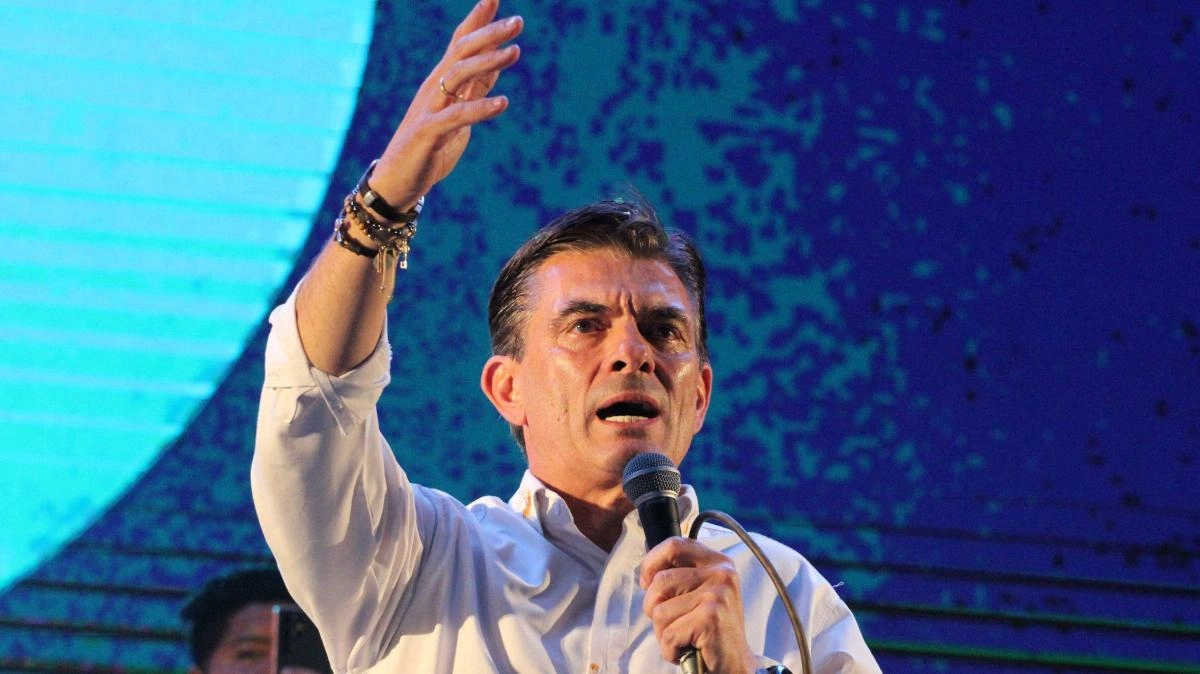

Centrist Rodrigo Paz won the Bolivian elections and will be the country's new president starting November 8.
According to preliminary results announced by the Supreme Electoral Tribunal, Paz won with 54% of the vote and 45% of the vote. Jorge Tuto Quiroga in Sunday's runoff.
Paz, a center-right senator, faced conservative former President Jorge Tuto Quiroga in the runoff after the first round in August. In an election that marks a drastic change in the country that has been governed for almost the last 20 years by the leftist Movement Towards Socialism (MAS), founded by Evo Morales, and which enjoyed the support of the country's indigenous majority.
Morales, a coca growers' union leader who took power in 2006 and was Bolivia's first indigenous leader, sought alliances with Cuba, Venezuela, and Russia, and nationalized the oil and gas industry.
Quiroga had promised a "radical change" with deep cuts in public spending and the closure or privatization of loss-making state-owned companies.
Paz, who already won the most votes in the first round, favors a more gradual approach, maintaining social programs for the poor while promoting Private sector growth.
In late September, Paz announced plans for a $1.5 billion economic cooperation agreement with the United States to secure fuel supplies, while Quiroga sought a $12 billion international bailout backed by multilateral lenders.
US Secretary of State Marco Rubio said this week that both presidential candidates wanted “stronger and better relations with the United States” after decades of anti-American leadership. “These elections are an opportunity for transformation,” he said Wednesday.
Some Bolivians had expressed fear of austerity measures like those implemented in neighboring Argentina by President Javier Milei,although Paz has rejected drastic spending cuts.
Support for the Movement Toward Socialism virtually collapsed in the first round of elections. Inflation has risen to 23% so far this year, while fuel and dollar shortages have paralyzed consumer demand.
Natural gas exports, once Bolivia's economic engine, have plummeted, putting pressure on the boliviano and limiting fuel imports.
The candidates vying for the presidency on Sunday, however, resemble those of the conservative governments of the 1990s, who championed privatization and close ties with the United States.
"These elections mark a political turning point," Glaeldys Gonzalez Calanche, analyst for the southern Andes at the International Crisis Group, told Reuters. Regardless of the outcome, “Bolivia is heading in a new direction,” he added.