

Clippers: the big business behind the viral videos you see on social networks
Clippers are those who turn streams and podcasts into viral clips from YouTube, TikTok and Instagram. This is this business that generates thousands of dollars.
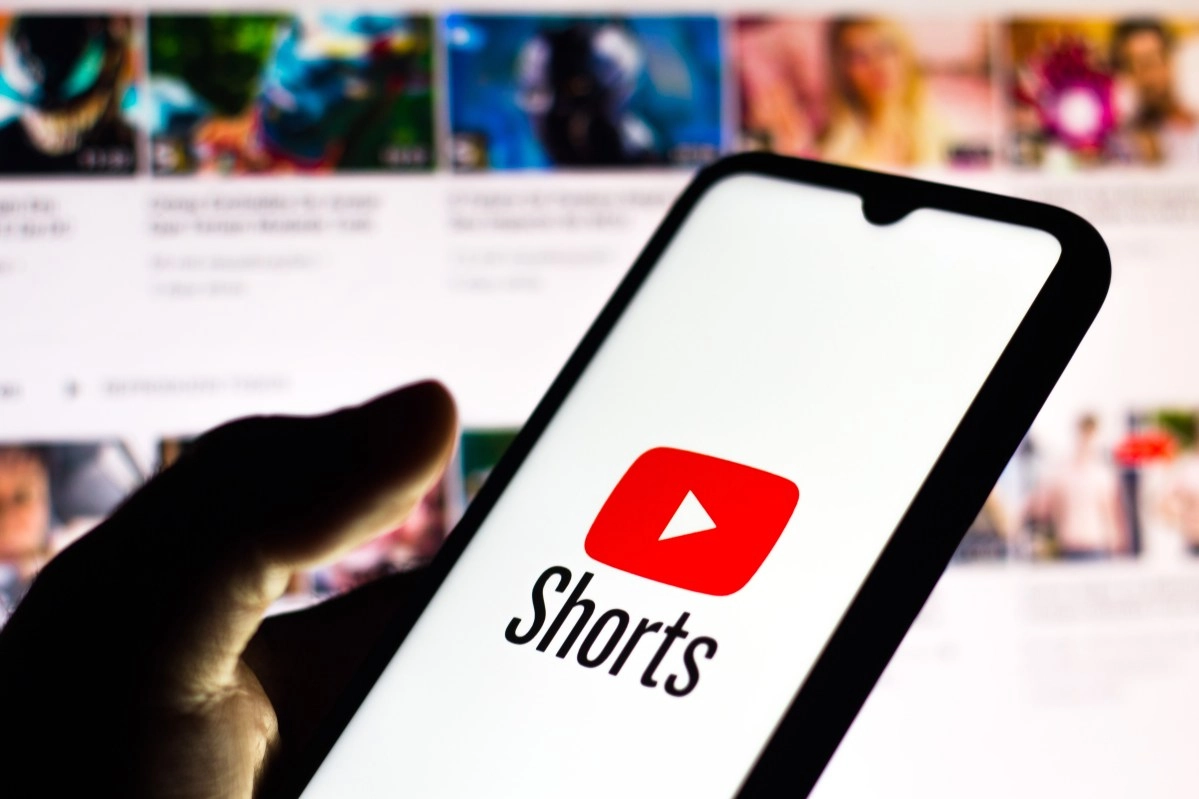

Have you ever wondered who cuts out those perfect snippets from an 8-hour stream or long podcast and turns them into the video that everyone shares? or they make clippers, and what started as a niche job has become one of the most profitable ways to earn money on social media without appearing on camera.
What is a clipper and how does this craft work
A clipper is someone who takes long content —live streams, podcasts, interviews, videogame plays— and edits it into short fragments designed to explode on platforms like YouTube Shorts, TikTok and Instagram Reels.
It's not just cut and paste. A good clipper knows how to identify the exact moment that will generate a reaction: the quote that no one expected, the gada impossible, the discussion that gets out of control. That editorial criterion is what separates a clip that reaches millions from one that nobody sees.
What makes this job attractive is that you don't need to create your own content. You're working with material that already exists, and your value is in the eye to find the gold within hours of recording.
Why clippers are key in the viral ecosystem
The biggest content creators in the world — streamers like Kai Cenat, podcasters like Joe Rogan or tech influencers — generate hours of content per week.
That's the clipper. It basically functions as a content distributor that amplifies the reach of the original creator on platforms where short videos dominate the some orythm. According to industry data, Shorts on YouTube and TikTok videos less than 60 seconds receive 3 to 5 times more organic impressions than long-form content.
The result is a cycle that benefits both sides:
And all this without the clipper having recorded a single second of its own video.
How you earn money being a clipper and how much you can make
Here's what's interesting about the model. Clippers can generate income in several ways, and some combine all of them at the same time:
What this means is that we are looking at a completely scalable business model. A single clipper can handle three or four channels simultaneously with current editing tools, many of them with artificial intelligence that already automatically detects the most viral moments of a video.
The key here is that short content is not going down. TikTok, YouTube Shorts and Instagram Reels continue to grow in cons umo, which turns the clipper into an increasingly relevant — and better paid —figure within the creative economy.
What is a clipper in social media? A clipper is an editor that takes long content like streams, podcasts or interviews and turns them into short clips optimized for pl platforms like TikTok, YouTube Shorts, and Instagram Reels. Your job is to find the most viral moments within hours of recording and edit them to maximize reach.
How much money can a clipper earn?Depends on the model. A clipper who works for contract with creators can earn between $200 and $2,000 dollars monthly per account. Q Those who build their own monetized channels can scale much more, especially if they manage multiple pages at a time with automated editing tools.
Do I need permission from the original creator to make clips? It depends on the platform and the type of content. Many streamers and creators have explicit policies that allow clipping. e your transmissions. Others require a formal agreement. It's most recommended to review each creator's policies or contact them directly to avoid copyright issues.