

If you are thinking of buying a Windows laptop in 2026 you should reconsider
Performance, battery, design and stability are pushing Apple to win a comparison that previously seemed impossible
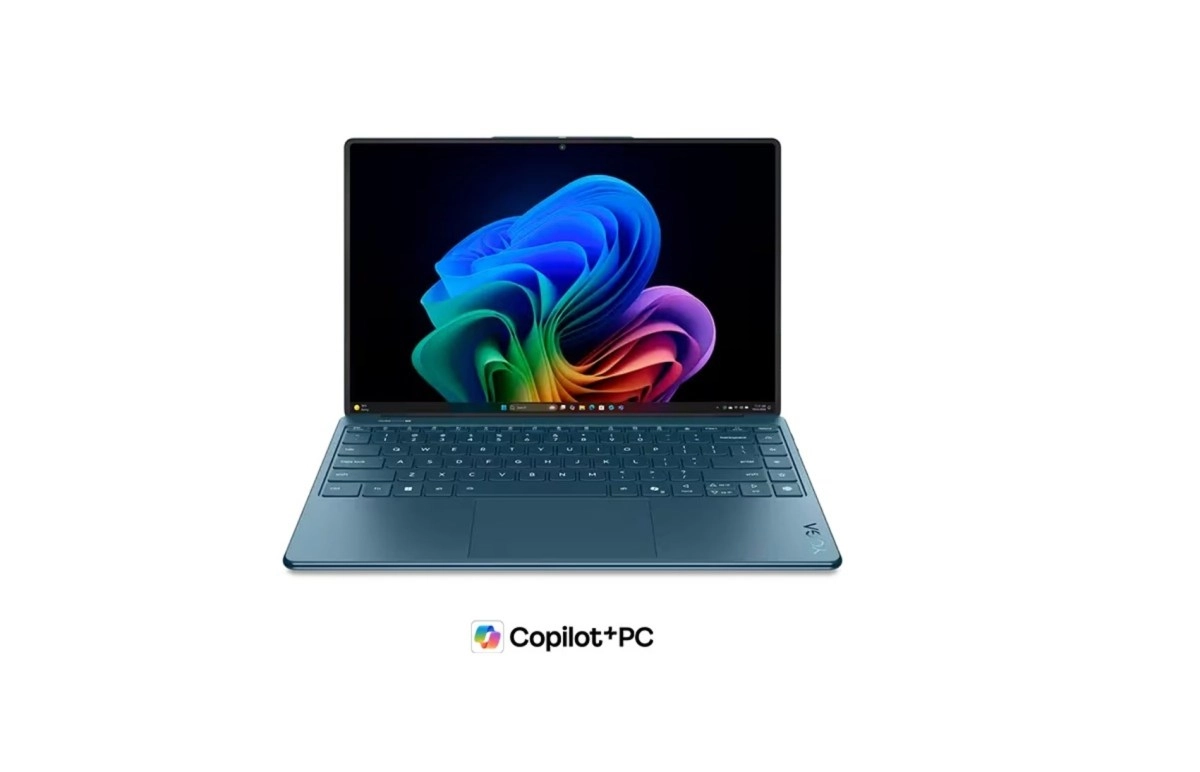

Buying a laptop today is no longer as obvious a decision as it once was, especially if you're looking at the Windows ecosystem. For years, the narrative was clear. Windows offered more for less money and Apple was synonymous with luxury. But that equation was broken. And he did it quite quietly.
What we are seeing in 2026 is an uncomfortable change for many manufacturers. Windows laptops no longer dominate in the cost-benefit ratio, and in several cases, they are losing ground to Apple quite obviously.
Prices that rise without clear justification
One of the hardest blows comes from the price side. Equipment that was previously considered “safe value” has now become aggressively more expensive without offering proportional improvements.
The Asus Zenbook 14 is a perfect example. In 2023 it cost around $700. Today it is around $1,200 dollars and, to make matters worse, it has lost quality on its screen, going from a high-resolution OLED panel to a lower one. That is, you pay more for less.
The problem is not isolated. It is repeated throughout the industry:
Meanwhile, Apple has played a completely different game. A MacBook Air with an M3 chip was available for $1,000 in 2024 and the most recent model even dropped to $950 in equivalent configurations. Yes, the price went down instead of up.
This is where the argument becomes difficult to ignore. If two products compete in the same category and one becomes more expensive while the other stays the same or goes down, the scales begin to tip on their own.
Performance and efficiency that mark the distance
The hardware also tells an uncomfortable story for Windows. For years, Intel, AMD and other manufacturers led the way. Today Apple has chips that simply play in another league.
The M5 Pro and Max processors are not only powerful, they are also incredibly efficient. That translates into laptops that:
In contrast, many Windows computers still have basic problems. Laptops that get too hot under load, uncomfortable keyboards in premium ranges and design decisions that seem not designed for the real user.
A clear case is MSI with equipment that literally becomes uncomfortable to use due to temperature. Or the new Dell XPS keyboard, which has been criticized even compared to much cheaper options.
Furthermore, Snapdragon chips, which were sold as the great revolution, only perform well in very specific scenarios. Many applications are not even optimized, and their graphical performance is far from what Apple offers.
A fragmented ecosystem that plays against Windows
Here is the underlying problem. The Windows model depends on too many actors. Microsoft, Intel, AMD, Qualcomm, Nvidia and the laptop manufacturers. Everyone seeks their own gain.
That generates a chain where the user ends up paying the price.
The result is a more expensive and more confusing experience. Even choosing a laptop has become complicated. Difficult to understand processor names, GPUs with different hidden power levels and misleading configurations.
For example, two laptops with the same graphics card may perform differently simply because one has more watts assigned to it. And that is not always clear to the buyer.
Apple, on the other hand, plays with fewer variables. Control hardware and software. That doesn't mean perfection, but it does mean a much more consistent experience. You know what you are buying and how it will perform.
The real value today is changing
It's not about saying that Windows no longer works or that Apple is perfect. That would be simplistic. But there is a reality that is difficult to ignore. The historical argument that Windows is cheaper no longer holds water. And when that argument disappears, problems that were previously tolerated are exposed.
Today you can pay the same or less for a MacBook and get better battery life, better performance, and a more polished experience. That completely changes the conversation.
A good example is the 16-inch MacBook Pro. It went up just $200 and doubled its storage. Meanwhile, similar Windows laptops rose more than $1,000 without equivalent improvements.
These types of decisions are what are redefining the market.
At this point, buying a Windows laptop isn't necessarily a mistake, but it does require a lot more research to avoid bad decisions. Apple, on the other hand, offers a more direct and predictable path.