

Pakistan’s Defence Minister Admits to Backing Terrorism Against India for 30 Years
In a surprising admission, Pakistan’s Defence Minister acknowledged that the country supported terror activities against India for over three decades, raising concerns globally amid the recent Pahalgam attack.
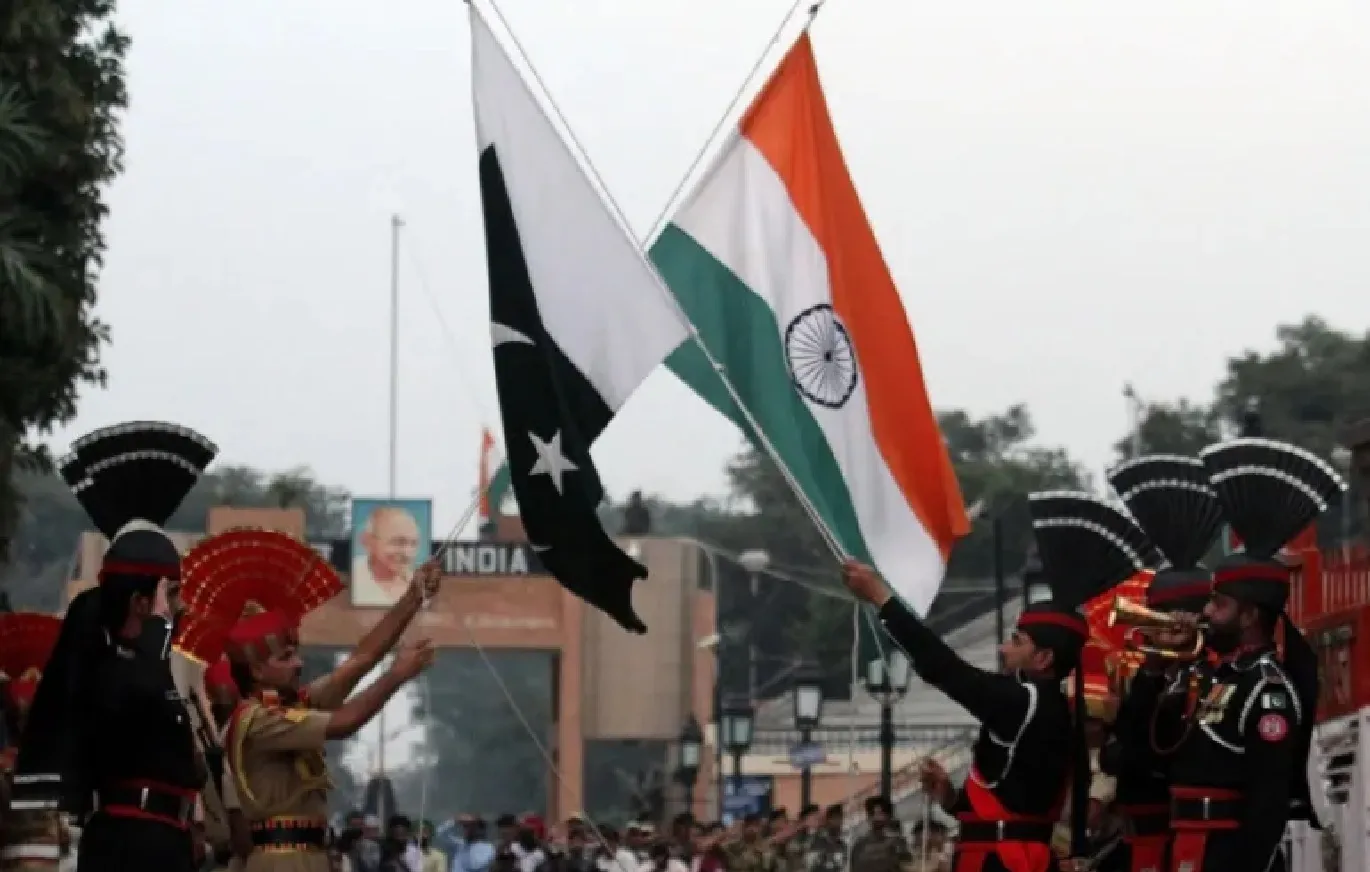

In a startling revelation that has sent shockwaves through diplomatic and strategic circles, Pakistan’s Defence Minister has openly admitted that the country supported terrorism against India for more than three decades. This public statement has come in the backdrop of the recent terrorist attack in Pahalgam, India, which reignited global attention on cross-border militancy.
Shocking Statement Amid Rising Tensions
Speaking during a televised address, Pakistan’s Defence Minister candidly acknowledged that the Pakistani government had, in the past, “endorsed and encouraged” groups that carried out violent operations inside Indian territory. He stated — “Yes, we have had a policy of backing certain groups for strategic depth, and that’s a truth we can no longer deny.”
This admission marks a significant departure from the usual stance taken by Pakistan, which often denies involvement in cross-border terrorism. The statement comes at a time when India is mourning the deaths of its citizens in the recent Pahalgam terrorist attack, further fueling outrage within India and raising serious questions internationally.
Implications for India-Pakistan Relations
India has long maintained that Pakistan harbors and supports terrorist organizations operating across its borders, especially in Kashmir. This confession by a senior Pakistani official strengthens India’s diplomatic position and may influence future international policy decisions, including sanctions and global anti-terrorism efforts.
Indian officials have responded swiftly. An external affairs spokesperson said — “The world must now acknowledge what India has been stating for years. This admission by Pakistan’s own Defence Minister exposes the deep-rooted strategy of state-sponsored terrorism.”
Global Reactions Begin to Surface
Several international observers and think tanks have begun analyzing the gravity of the minister’s remarks. Security experts believe this could result in increased scrutiny over Pakistan’s defense policies and international alliances. Countries that have been diplomatic allies of Pakistan may now face pressure to re-evaluate their stance.
The United Nations, which has consistently advocated for peace and de-escalation in South Asia, is expected to comment formally on the matter, especially given its implications for global security frameworks.
Backstory: The Pahalgam Attack
The Pahalgam attack, which targeted tourists and claimed multiple lives, was condemned globally. It rekindled the long-standing debate on Pakistan’s role in perpetuating violence in the Kashmir region. While Pakistan denied any official involvement at the time, the recent admission contradicts those earlier statements.
Victims’ families in India have reacted strongly, with many calling for decisive and firm action against those responsible. National leaders across party lines have demanded a tougher foreign policy stance toward Pakistan.
Strategic Shifts Ahead?
This development might trigger significant changes in South Asia’s geopolitical landscape. Analysts suggest that the revelation could impact military strategies, peace talks, and bilateral agreements between the two countries.
It also raises serious concerns about the possibility of further escalation. India, known for its measured responses, may now consider stronger diplomatic or economic actions to isolate Pakistan on global platforms.
Domestic Repercussions in Pakistan
Back home in Pakistan, the minister’s confession has stirred political turmoil. Opposition parties are questioning the government’s strategy and calling for accountability. Civil society groups have also expressed concern over the legacy of violence that such admissions validate.
The Defence Ministry, so far, has not issued a clarifying statement or retraction. This silence is being interpreted as tacit approval or possibly an internal shift in policy narrative.
A Turning Point?
As India continues to push for global recognition of Pakistan’s support for terrorism, this confession could prove to be a pivotal moment in reshaping international diplomacy in the region. For decades, the shadow of militancy has loomed over India-Pakistan relations — and now, the veil appears to be lifting.
With global powers watching closely and public sentiment in India intensifying, the road ahead is uncertain. However, what is clear is that this admission has created a new chapter in an already complex and fragile bilateral history.