

Can I lose my Green Card due to marriage if I get divorced? USCIS Clarifies
What happens to a Green Card after marriage if I get divorced, and what does USCIS require to maintain it legally without losing conditional residency?
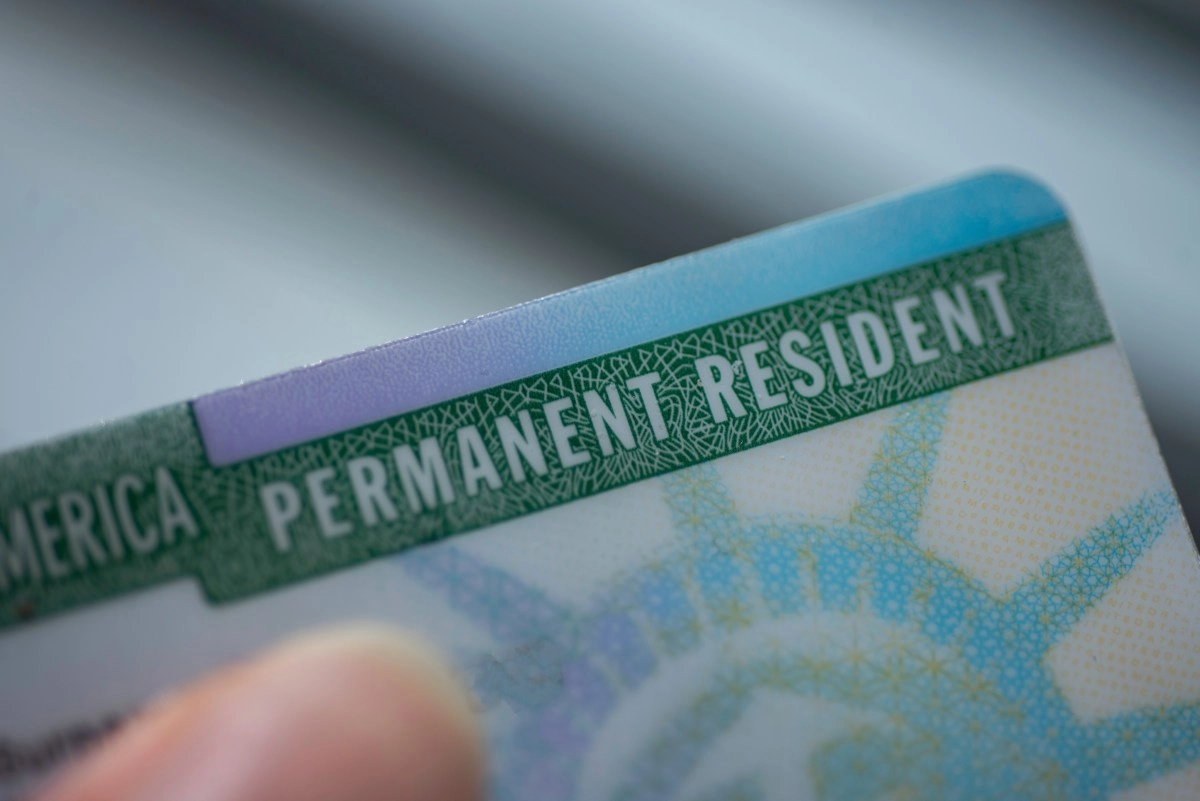

When an immigrant obtains permanent residency or a Green Card through marriage to a US citizen or legal resident, one of the most common questions often arises: what happens if the relationship ends in divorce?
US Citizenship and Immigration Services (USCIS) establishes clear rules about when a person can keep their so-called 'Green Card by marriage' and in what cases they could lose it.
First, everything depends on the type of status the beneficiary has and whether the marriage was genuine.
Conditional Residency: The Key Point
USCIS explains that if the marriage was less than two years old at the time residency was granted, the beneficiary receives a conditional Green Card, valid for two years.
This status is maintained until Form I-751 is approved, a fundamental step in the “Removal of Conditions on Permanent Residence Based on Marriage.”
During this period, the Conditional residents cannot renew their card with Form I-90; the only way to maintain their status is to file Form I-751 on time.
If the immigrant does not complete this process, USCIS can terminate their status and even initiate deportation proceedings.
That's why the deadline is so important: the petition must be submitted within 90 days of the card's expiration.
USCIS requires that the marriage be or have been in good faith.
This is where the fears arise, but the good news is that divorce does not automatically cause the loss of the Green Card. What is crucial for USCIS is that the marriage be or have been in good faith.
If immigration authorities believe there was fraud or a lack of evidence, they can deny the petition and cancel the status.
Normally, Form I-751 is filed jointly, meaning it is signed by both spouses.
But in cases of divorce, death, or abuse, the law allows for an exemption from joint filing. which authorizes the immigrant to file the form on their own.
In either of these cases, the applicant must provide solid evidence:divorce decree, proof of the marital relationship, shared financial documents, photos, leases, insurance policies, and any content that demonstrates the union was not created to obtain immigration benefits.
In addition, the applicant must respond to any requests for additional evidence, attend interviews if required, and keep their address updated with the agency.
You may be interested in:
· Trump administration will punish immigrants who apply for Green Cards with a new public charge rule· Green Card applicants achieved a victory related to visa fees· What is a “motion to reopen” and how can it stop a deportation: experts explain