

House approves Innovation Law for Police Deescalation and generates debate on “ghost” weapons
The bill changes the federal definition of certain less-lethal devices, which would impact both law enforcement agencies and the civilian market
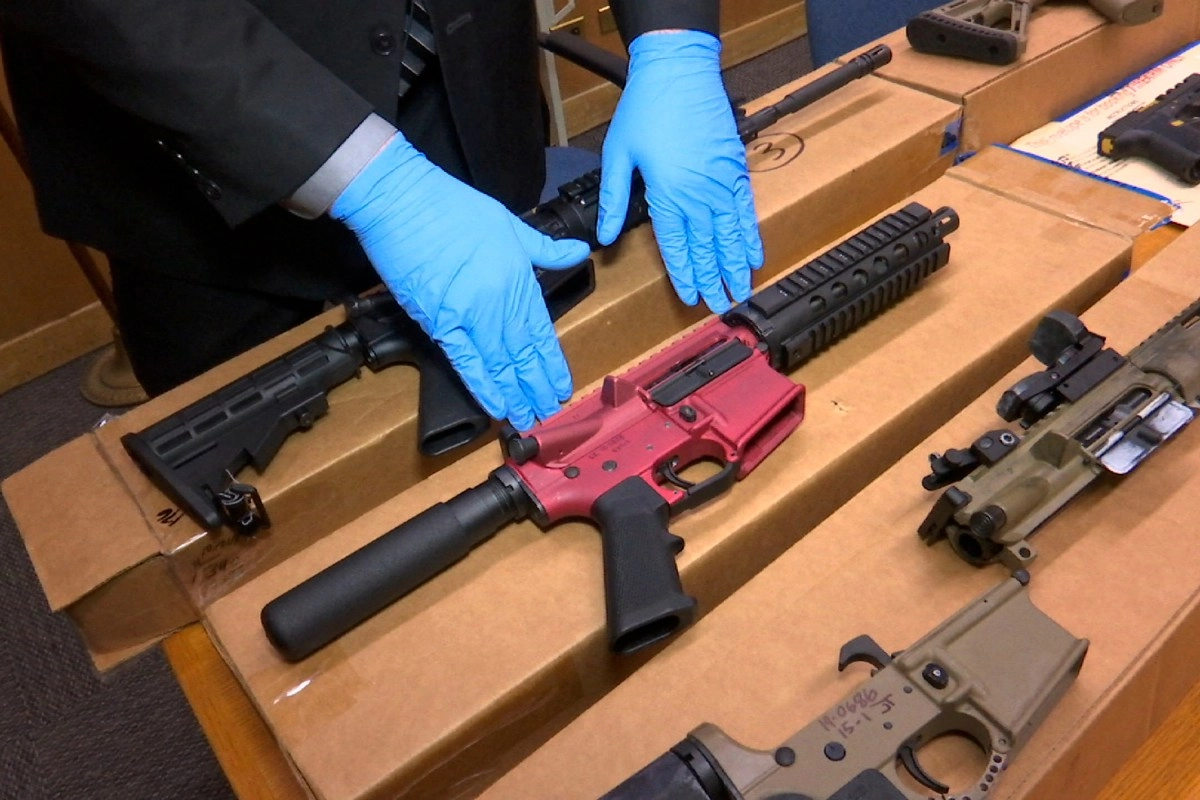

The House of Representatives approved HR 2189, known as the Law Enforcement Deescalation Innovation Act, by a vote of 233 to 185 on Thursday. The bill was sponsored by Republican Congressman Scott Fitzgerald (WI-05).
The initiative seeks to update federal legislation so that certain “less-than-lethal” devices, such as TASERS, are not classified as firearms under current law. The bill, according to its proponents, modernizes the Gun Control Act of 1968, excluding so-called “less-than-lethal projectile devices” from the definition of a “firearm.” Currently, the Bureau of Alcohol, Tobacco, Firearms and Explosives (ATF) considers that some newer models of these devices can be classified as firearms due to their propulsion system, even though they are not designed to cause serious injury or death. According to Fitzgerald, this “outdated” interpretation has made it difficult for law enforcement agencies to acquire equipment intended to de-escalate dangerous situations without resorting to lethal force. “Non-lethal weapons offer law enforcement crucial options for de-escalating dangerous situations and protecting lives,” he stated. Congresswoman. “This sensitive update ensures that officers can access the equipment necessary for their safety and the safety of the public.”
Criticism over fears of new “ghost guns”
The measure has provoked strong opposition from gun control advocacy groups. The organization GIFFORDS, founded by former Congresswoman Gabrielle Giffords, condemned the bill's passage.
According to its leaders, the law creates a “loophole” by eliminating background check requirements for a category of devices that could be modified to become fully lethal weapons.
Emma Brown, executive director of GIFFORDS, stated, “The House just voted to legalize a new class of ghost guns. This bill would allow people with convictions for serious crimes or domestic violence to access devices that can be easily converted into firearms.”
Critics warn that, without controls,manufacturers could develop devices that are sold without background checks and then modified to fire live ammunition, something that has already happened in the past with gun parts sold as incomplete kits.
Domestic violence survivor organizations have also pointed out that the bill would allow people with restraining orders or criminal records to access stun guns or other less-lethal projectile devices.