

Panel concludes that Elon Musk's $1 million giveaway would have violated electoral law
Authorities detected signs of electoral bribery after $1 million checks delivered to voters
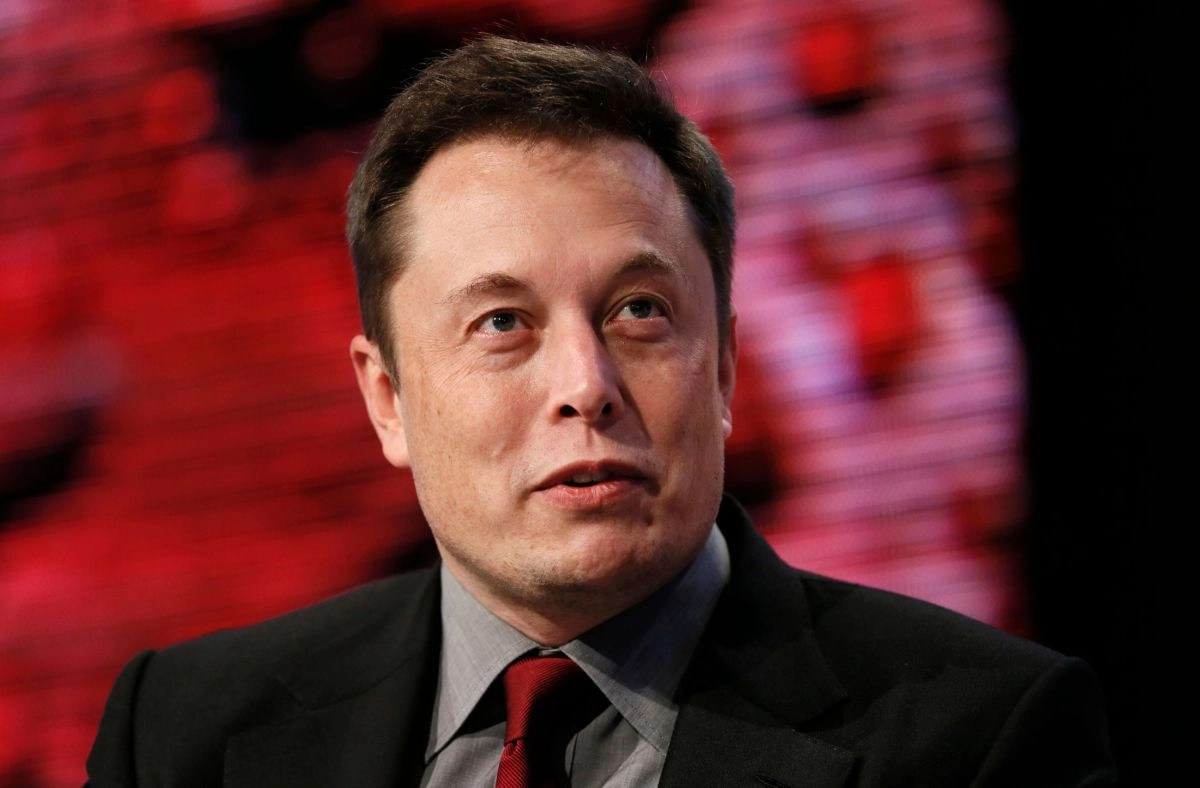

A bipartisan panel of the Wisconsin Elections Commission concluded that Elon Musk likely violated state law by offering $1 million checks during the Wisconsin Supreme Court election, a case that will now be reviewed by the Brown County prosecutor's office.
According to information from AP, the commission voted 5-1 to forward two complaints against the businessman, considering that there are sufficient elements to investigate a possible violation of the law that prohibits offering incentives to voters with the aim of influencing their participation at the polls.
Authorities see signs of electoral bribery
The resolution maintains that Musk would have violated regulations by promising a $1 million prize to people who participated in the judicial election, an action that, according to Wisconsin law, can constitute electoral bribery if it seeks to induce the vote.
State law establishes that offering money, goods or any benefit of value to motivate a citizen to vote represents a possible electoral violation.
After receiving criticism from electoral law specialists, the founder of Tesla, SpaceX and owner of X modified the announcement published on social networks.
"To clarify a previous publication, access is limited to those who have signed the petition in opposition to the activist judges. I will also deliver checks for one million dollars to two people to be spokespersons for the petition," Musk wrote in X, as reported by the aforementioned agency.
The most expensive judicial election in Wisconsin
The businessman also became one of the main financiers of the race, spending at least $20 million to support Republican candidate Brad Schimel.
However, Schimel lost the election to liberal Judge Susan Crawford, in an election that exceeded $100 million in campaign spending, fueled by contributions from large donors from both parties, including George Soros.
The case could now lead to a criminal investigation to determine whether Elon Musk's actions violated Wisconsin election law.
key, this in exchange for signing a petition in favor of promoting the defense of the First and Second Amendment (freedom of expression and the right to bear arms).
Therefore, Joy Harvick and Jacqueline McAferty chose to sue Elon Musk and America PAC, accusing them both of allegedly misleading voters in seven key states by getting them to sign their petition.
“The only thing we ask in exchange for the million dollars is that you be a spokesperson for the petition,” the South African billionaire used to say at the events he attended to promote Trump.
The two women from Arizona who are suing the former head of the Department of Government Efficiency (DOGE) maintain that, in reality, more than a simple signature, Musk managed to get people to provide him with detailed information about their voting habits and preferences.
For this reason, Susan Hightower, judge of the Western District of Texas, called him to appear to testify in order to determine if he acted recklessly by saying that he would pay someone “at random” to sign his petition.