

The United States temporarily extends TPS for nearly 350,000 Haitians
The Temporary Protected Status and work permit that benefits nearly 350,000 Haitian refugees in the US will be extended for 14 days
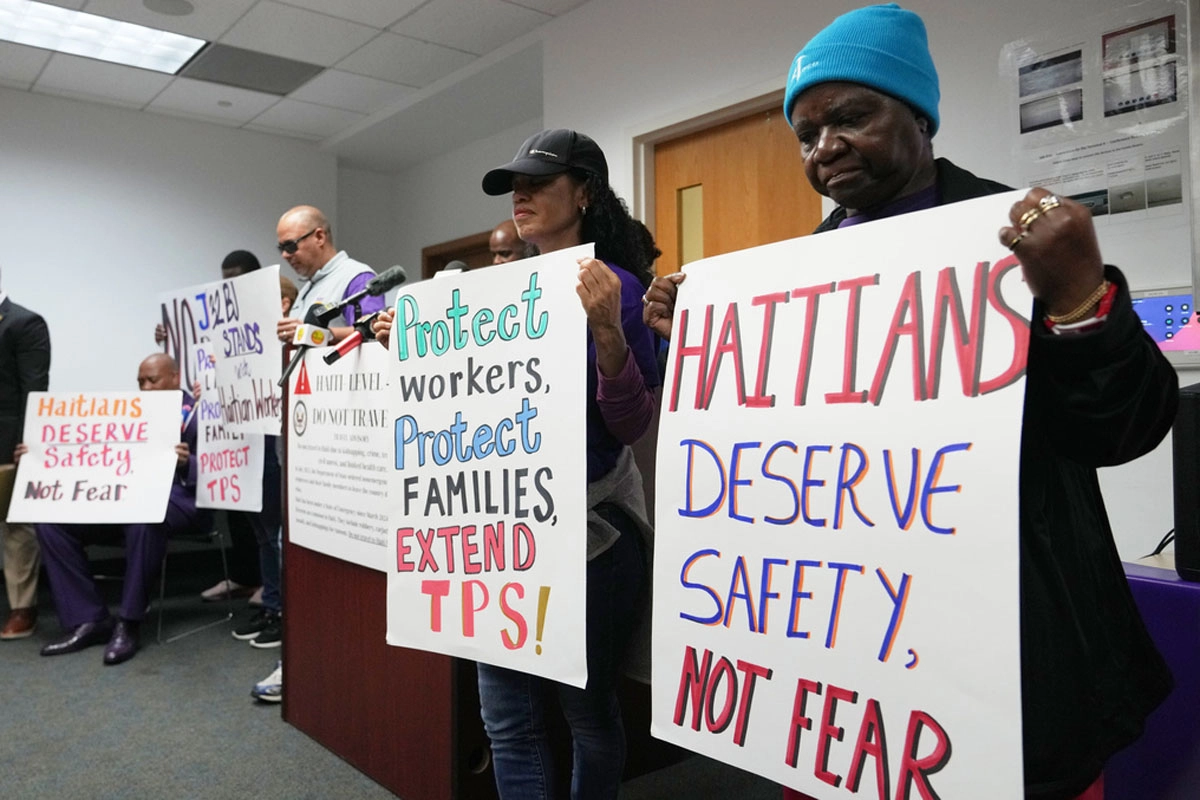

The Citizenship and Immigration Services (USCIS) extended the Temporary Protected Status (TPS) and the work permit that has benefited nearly 350,000 Haitians since 2010, when a powerful earthquake destroyed much of their country.
After the Caribbean refugees lost a legal battle filed against the Trump administration before the Supreme Court requesting its intervention so as not to be deported from United States territory, everything indicated that this June 10 the TPS with which they have remained in the country would expire.
However, a brief announcement shared by USCIS indicates that TPS for Haiti will now be in effect until July 24.
Due to the sociopolitical and security crisis generated in the Caribbean nation due to the lack of a stable government, which worsened drastically following the assassination of President Jovenel Moïse, which occurred in July 2021, thousands of Haitians had to flee to other countries, including the United States.
However, Donald Trump's return to Washington put his permanence at risk, as the New York magnate has promised to kick them out.
The controversial point is that gangs and armed groups have taken control of a large part of Port-au-Prince, capital of Haiti, generating a humanitarian emergency.
This situation would put the lives of Caribbean people who involuntarily return to their country at risk and perhaps from there arises the option of granting them 14 more days while it is determined which nation they will be sent to.
In order to keep Haitians informed about their situation, US authorities suggest that they periodically consult the USCIS website.
A point in favor of these immigrants is that the results of an investigation carried out by Human Rights Watch (HRW) highlight their contribution to the Florida labor market, since it is estimated that up to 158 thousand Haitians work in sectors such as health, care of the elderly, construction, tourism and hospitality.
In this way, they annually contribute close to $2.6 billion dollars to the economy of the “Sunshine State” and removing them from the country would cause a financial setback.