

US consumer confidence continues to fall, according to new analysis
The Conference Board's consumer confidence index fell from 92.9 in November to 89.1 by the end of this year
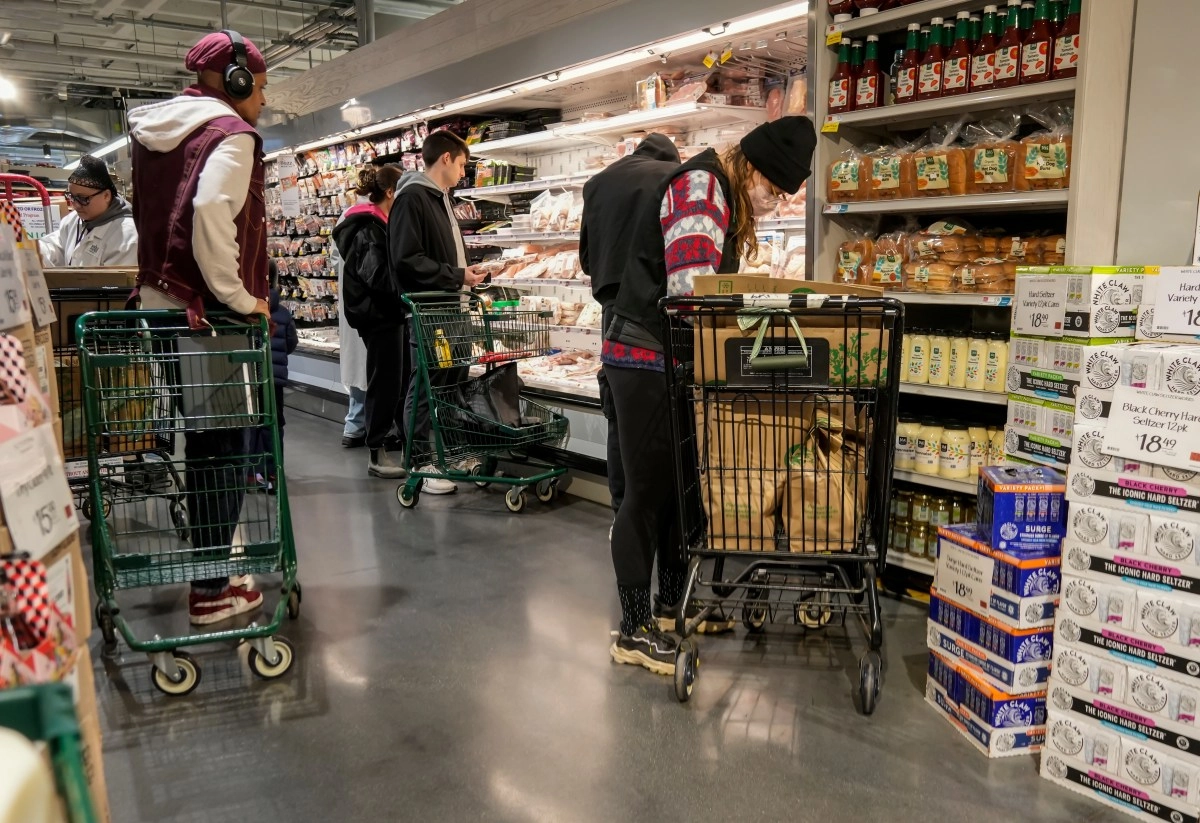

In its latest report this year, the non-profit organization, The Conference Board, indicated that US consumer confidence continues to plummet even though the economy has shown signs of growth.
According to figures from The Conference Board, the consumer confidence index fell to 89.1 by the end of this year, a drop of 3.8 points compared to the 92.9 recorded during the month of November.
In this regard, Dana Peterson, chief economist at The Conference Board, who also participated in the study, commented that “consumers’ written responses about the factors affecting the economy continued to be led by references to prices and inflation, tariffs, trade, and politics,” she said.
Despite the uncertainty, short-term expectations regarding income and the labor market remained at 70.7, although below 80, marking a key signal about consumers’ hopes on this issue.
“In December, mentions of immigration, war, and issues related to personal finance, such as interest rates, taxes and income, banks, and insurance, increased,” said Peterson, situations that generate high expectations.
For his part, Matthew Martin, senior US economist at the investment advisory firm Oxford Economics, highlighted that “consumer confidence continued to fall at the end of the year, as rising prices, a weaker labor market, and the impact “The waning effects of the government shutdown weighed on households’ perceptions of the economy,” he said. According to data from The Conference Board, job market expectations fell from 28.2% to 26.7%, with many Americans surveyed saying it is currently difficult to find employment. Meanwhile, Carl Weinberg, chief economist at High Frequency Economics, noted that “the latest GDP data confirms that, although consumer confidence is declining, consumers are still spending. This disconnect must mean that incomes are rising rapidly. However,The payroll report indicates that revenues are slowing. Therefore, the data does not convey a clear message at this time,” he said. By the end of this year, real gross domestic product (GDP) increased at an annual rate of 4.3% in the third quarter of 2025, according to data published this Tuesday by the Bureau of Economic Analysis (BEA), with consumer spending accounting for two-thirds of the country's economic activity.