

US oil blockade stops 20,000 tons of humanitarian aid to Cuba: UN
As background, the World Food Program estimates that more than 1.3 million people received support from the organization in Cuba during 2024
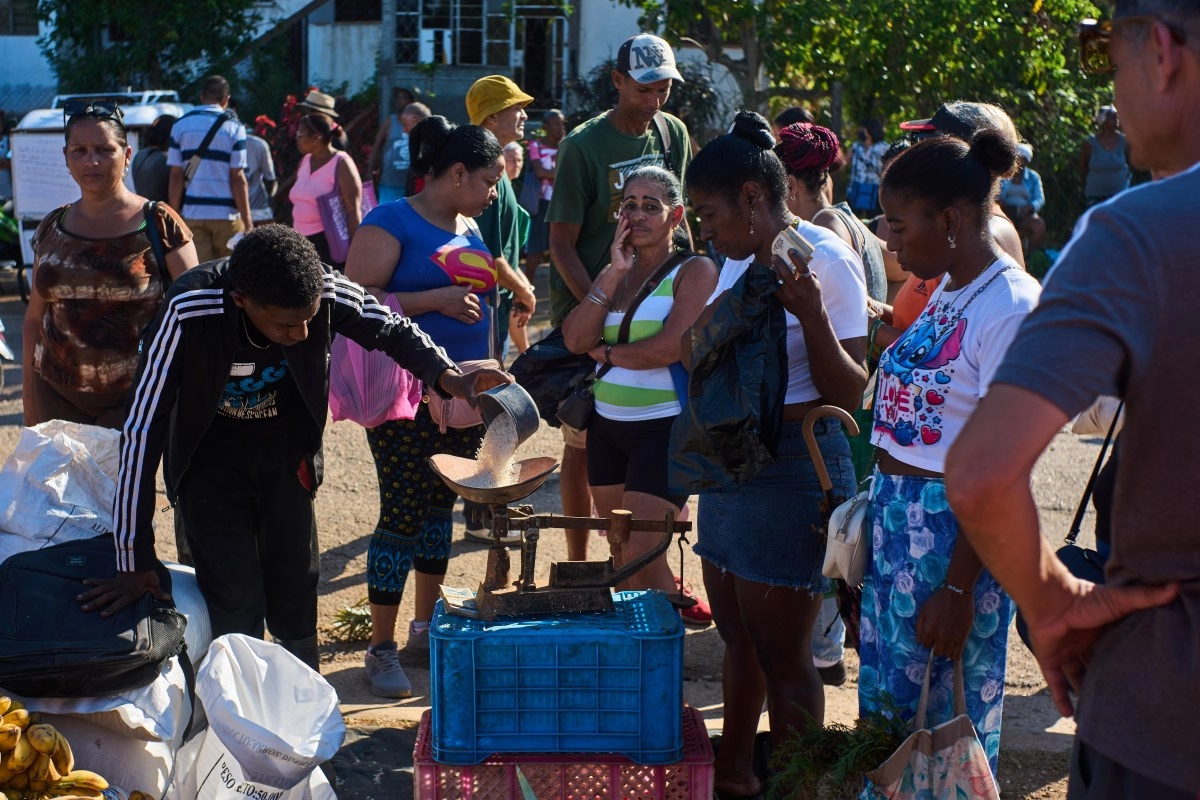

Fuel shortages and new sanctions from Washington complicate the distribution of food and essential supplies for millions of Cubans.
The humanitarian crisis in Cuba worsens while nearly 20,000 tons of food aid from the United Nations remain blocked or are advancing with enormous difficulties due to fuel shortages caused by energy restrictions imposed by the United States, according to information collected by different international agencies.
It is estimated that the World Food Program (WFP) keeps some 11,000 tons of food and nutritional supplements detained in the ports of Mariel and Santiago de Cuba, while another 8,000 tons stored in different parts of the island are distributed extremely slowly due to the lack of diesel necessary for transportation.
The situation occurs in the midst of an accelerated deterioration of living conditions on the island. The United Nations recently warned that prolonged blackouts, fuel shortages and lack of medicines are pushing essential services to the limit, particularly the health system, access to water and food security.
Francisco Pichón, UN resident coordinator in Cuba, had already warned in April that at least 170 containers with humanitarian products valued at $6.3 million dollars could not reach their beneficiaries due to lack of fuel. As he explained then, the United Nations was exploring mechanisms to import fuel through authorized private operators on the island.
The difficulties intensified after the executive order signed on January 29 by US President Donald Trump, which declared a national emergency regarding Cuba and opened the door to the imposition of tariffs against countries that supply oil to the island. The White House argued that the measure seeks to protect US national security and increase pressure on the Cuban government.
According to the EFE agency, the United Nations presented a “Traceability Plan” to the US delegation to the UN to demonstrate that the requested fuel would be used exclusively in humanitarian operations and would not benefit Cuban state institutions. However, more than five weeks after his delivery, Washington had not issued an official response.
The UN estimates that it requires more than 5 million liters of diesel to guarantee the distribution of food, nutritional supplements and other essential supplies in Cuba for one year.