

Democrats demand answers over Trump-IRS deal that could protect their businesses
Senators question whether a judicial pact grants tax benefits to companies linked to the Trump family
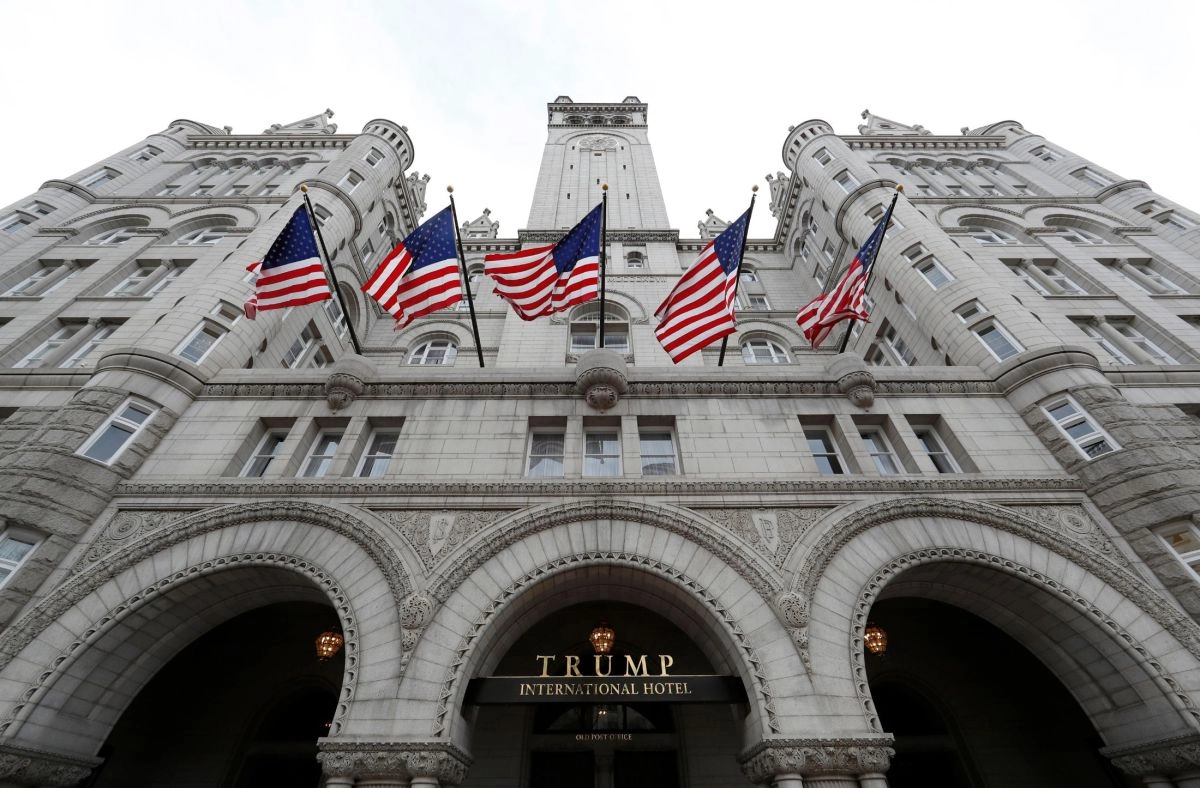

The main senators of the Democratic Party requested explanations from several companies linked to President Donald Trump after learning the scope of a judicial agreement signed between the federal administration and the president, which could prevent future tax claims against companies related to his family.
According to information published by CBS News, Senators Elizabeth Warren, along with Senate Minority Leader Chuck Schumer and Senator Ron Wyden, sent letters to 11 companies to find out if they consider that the agreement also protects them from audits or processes by the Internal Revenue Service (IRS).
Senators question possible tax immunity
The agreement, signed on May 19 by acting Attorney General Todd Blanche as part of an agreement to resolve a lawsuit filed by Trump, establishes that the IRS will not be able to file claims related to tax returns submitted before the entry into force of the agreement against Trump, his sons Donald Trump Jr. and Eric Trump, as well as the Trump Organization.
However, the document also mentions that the protection extends to “parent, subsidiary, affiliated or related companies,” which sparked concern among Democratic legislators.
“The public deserves transparency about the extent of this impunity letter for pro-Trump companies,” Warren, Schumer and Wyden wrote in the letters sent to the companies.
Among the firms consulted are World Liberty Financial, American Bitcoin, Polymarket, Kalshi, 1789 Capital, Powerus, Foundation Future Industries, Tag Air and Kaz Resources, among others, all with some business or advisory relationship with members of the Trump family.
Trump-linked companies under scrutiny
Lawmakers also asked the Trump Organization to clarify whether it considers that the agreement grants it immunity from future audits, civil penalties or federal proceedings related to events that occurred before the agreement.
According to the most recent financial statements cited by the aforementioned media, the president obtained more than $1 billion during the last year solely from investments in cryptocurrencies, including his participation in World Liberty Financial and meme coins.
For its part, a spokesperson for the Department of Justice defended the agreement and assured that this type of clauses are part of the usual practice during the resolution of audits and tax reviews, although he avoided specifying which companies are covered by the provision.
Because Democrats are a minority in the Senate, they lack the power to legally force companies or the Trump family to answer questions; However, the case has opened a new front of debate about transparency, the scope of the agreement and possible conflicts of interest around the president's businesses.