

To analyze: Xiaomi sweeps sales and still loses money per car
The Chinese brand already sells tens of thousands of electric vehicles, but each unit continues to leave significant losses for the company
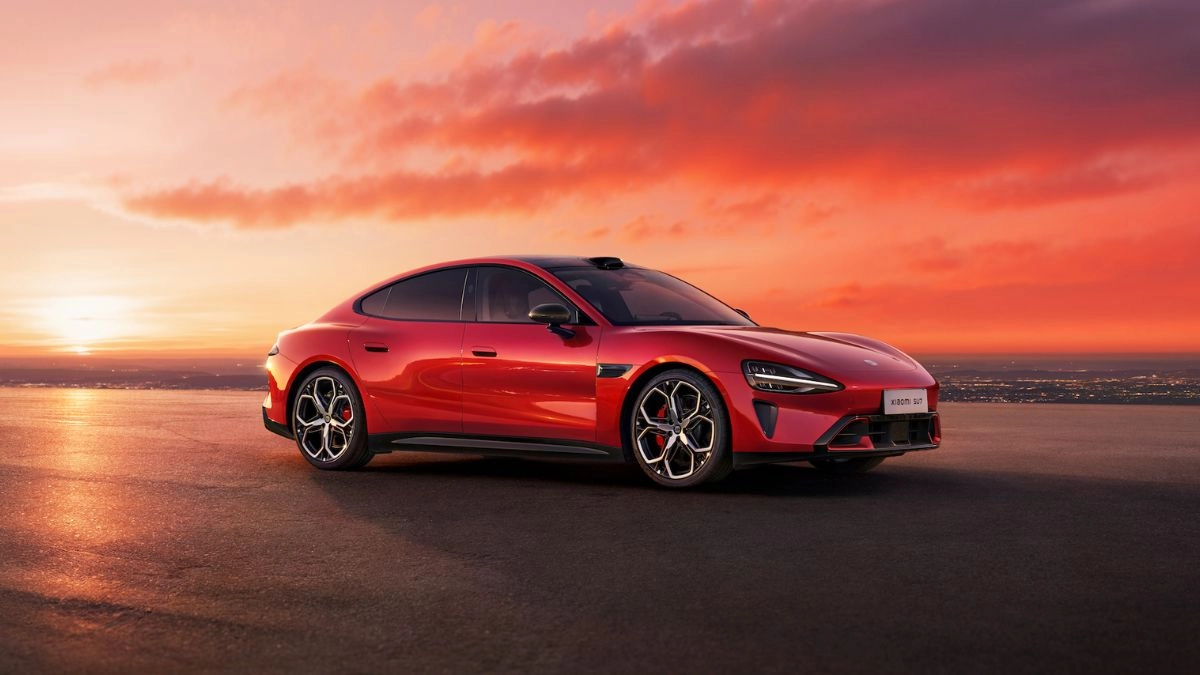

Xiaomi achieved something that seemed impossible for a technological brand recently arrived in the automotive world. In a very short time, it managed to position its electric vehicles among the most talked about in the Chinese market and turned the SU7 into one of the most desired cars of the moment. The problem is that such commercial success has not yet translated into profits.
Read also: Brutal! Ferrari reveals its first electric car with 1,050 horsepower
The financial figures for the first quarter left a quite striking situation. Xiaomi delivered 80,856 vehicles in just 90 days, but still continues to lose money with each unit that leaves the factory.
You can read: Volkswagen launches a rival to the Tesla Model 3 for $15,000 dollars
The Chinese company recognized operating losses equivalent to about $425 million dollars within its automotive and artificial intelligence division. Translated into simpler numbers, each car sold left a negative balance of close to $5,230.
Lots of volume, but increasingly tight margins
Xiaomi's business growth remains enormous. Deliveries increased 6.6% compared to the same period last year and demand continues to accelerate.
However, manufacturing electric cars on a large scale remains an extremely expensive business, even for a company with the financial and technological muscle of Xiaomi.
The company posted revenue of nearly $2.74 billion thanks to its electric vehicle division. The average sales price is currently around $32,400 per unit.
The problem appears in the margins. Xiaomi went from a gross margin of 23.2% to 20.1%, a significant drop that reflects the increase in industrial costs and the competitive pressure of the Chinese market.
Costs skyrocketed
Part of the losses have a direct explanation in manufacturing. Xiaomi faces higher costs in key components for its electric cars and also suffered a reduction in subsidies in China for this type of vehicle.
Furthermore, the company is going through a complex stage of industrial transition. The first generation of the SU7 reduced production to make way for the new update presented in March.
Despite that, the public response remains impressive. The new generation of the SU7 accumulated more than 80,000 orders in just 44 days.
Meanwhile, the YU7 family became another of the brand's commercial pillars and has already exceeded 232,000 units delivered in just ten months.
Xiaomi is betting heavily on more profitable models
The strategy now aims to improve profitability with more exclusive and powerful versions. One of the clearest examples is the new Xiaomi YU7 GT, a sports variant close to 1,000 horsepower.
This model has a starting price of approximately $53,800 and is aimed at customers looking for much more extreme features.
The standard version of the YU7, for its part, starts at around $32,200 and offers a range of up to 643 kilometers.
The expansion is just beginning
Xiaomi also accelerated the growth of its commercial network. It currently has 490 points of sale distributed in 143 cities in China.
The most recent figures continue to show a very strong pace. In April alone the company sold 36,702 vehicles, which represented a year-on-year growth of 28.4%.
And that seems to be just the beginning. Xiaomi is already working on a third model, in addition to an electric future with extended autonomy type EREV. Rumors are even beginning to appear about a possible second brand with combustion engines.