

Toyota bets on the “Made in USA” seal in Japan
Toyota confirmed that starting in 2026 it will sell vehicles manufactured in the USA in Japan, an unprecedented decision that breaks with decades of traditional trade flow
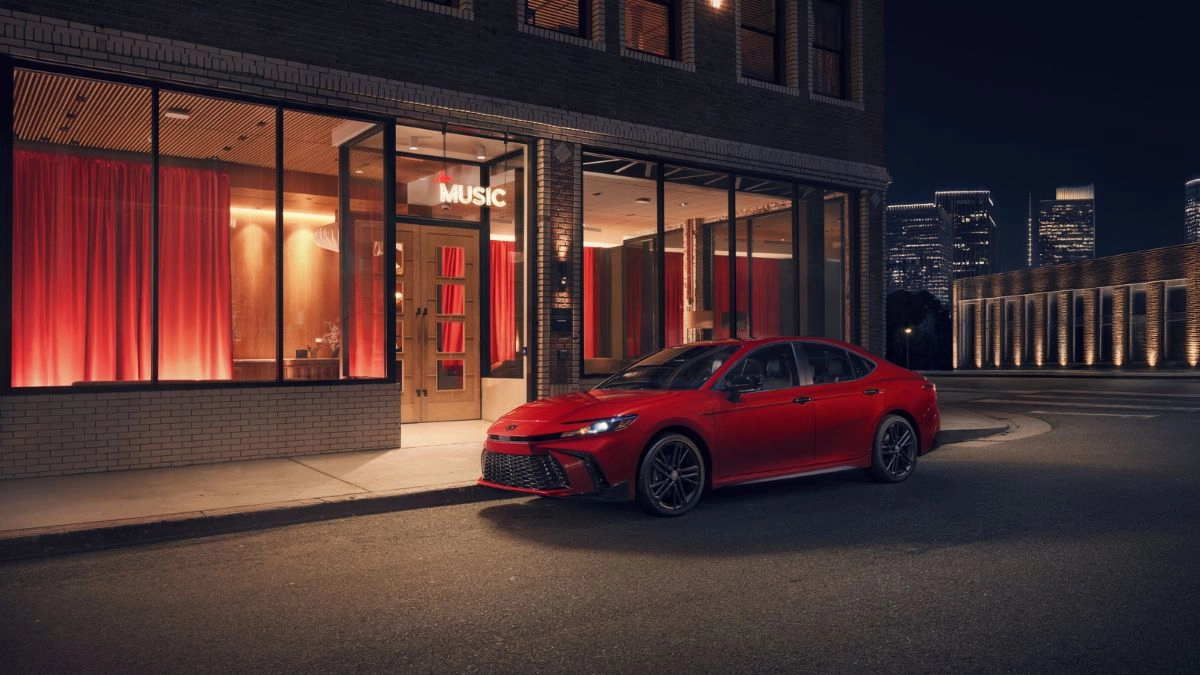

The Japanese automotive industry has historically been characterized by exporting vehicles to the world, especially to the United States. However, Toyota decided to take a step that reverses that logic: importing cars produced in the United States to Japan.
Starting in 2026, the brand will begin selling models assembled in US plants in its local market, with the “Made in USA” label as a central part of its offering.
The decision represents an unusual move within the sector and marks a significant shift in Toyota's global strategy. It's not just about expanding the product offering, but about sending a clear message about the flexibility of its industrial network and the role the United States plays within it. This change also reflects an adaptation to an increasingly complex global environment, where trade agreements, industrial policy, and consumer preferences directly influence where vehicles are produced and sold. Models Coming to Japan: Toyota confirmed that three models manufactured in the United States will begin selling in Japan. Each comes from a different plant and fulfills a specific role within the brand's portfolio: The Camry and Highlander are not unknown to the Japanese public. Both models were previously available in the country, although they were discontinued in 2007 and 2013, respectively. Their return responds to a reassessment of consumer tastes and the need to cover segments that have gained relevance. The Tundra, on the other hand, will mark its absolute debut in Japan. It is a large pickup truck, strongly associated with American automotive culture, which Toyota hopes to position as an aspirational and differentiated product.
Why Toyota is betting on “Made in USA”
The export of cars manufactured in the United States to Japan is not an isolated decision. It comes in a context of trade tensions and pressure from Washington to balance the bilateral trade between the two countries.
With this move,Toyota seeks to demonstrate that its American plants not only supply the local market, but can also produce vehicles suitable for one of the most demanding markets in the world.
From a marketing perspective, the “Made in USA” label takes on a new meaning in Japan. Toyota believes there is a growing interest in products linked to more global lifestyles, where the vehicle's origin and history play an important role in the purchase decision. For the brand, this initiative also serves as a sign of goodwill toward the United States, reinforcing its commitment to investment, employment, and local production in that country. Impact on the Japanese Automotive Market: The Japanese market has been dominated for decades by compact cars, kei cars, and models designed for dense urban environments. However, Toyota identifies a progressive diversification of consumer tastes, especially among families, active users, and outdoor enthusiasts. In this context, the Camry and Highlander target buyers who prioritize space, comfort, and a driving experience more aligned with international standards. The Tundra, meanwhile, targets an even more specific niche, comprised of users seeking cargo capacity, ruggedness, and a distinctive image. The arrival of these models will allow Toyota to offer a portfolio in Japan closer to the one it already manages in other key markets, reducing the gap between its domestic and global offerings. Regulatory and Homologation Challenges: The so-called "reverse import" is not without its obstacles. There are clear differences between the safety, emissions, and homologation regulations of the United States and Japan. To implement this plan, Toyota is working with Japanese authorities to adapt the vehicles to local requirements without compromising safety standards. If Japan moves toward greater acceptance of US certifications, this operation could set an important precedent. It would not only facilitate future Toyota imports but also open the door for other Japanese manufacturers with a strong industrial presence in the United States to evaluate similar strategies. This comes amid trade tensions and pressure from Washington to balance the bilateral trade between the two countries. With this move, Toyota seeks to demonstrate that its US plants not only supply the local market but can also produce vehicles suitable for one of the world's most demanding markets. From a marketing perspective, the "Made in USA" label takes on new meaning in Japan. Toyota believes there is a growing interest in products linked to more global lifestyles, where the vehicle's origin and history play an important role in the purchasing decision. For the brand, this initiative also serves as a sign of goodwill toward the United States, reinforcing its commitment to investment, employment, and local production in that country. Impact on the Japanese Automotive Market:The Japanese market has been dominated for decades by compact cars, kei cars, and models designed for dense urban environments. However, Toyota identifies a progressive diversification of consumer tastes, especially among families, active users, and outdoor enthusiasts. In this context, the Camry and Highlander target buyers who prioritize space, comfort, and a driving experience more aligned with international standards. The Tundra, meanwhile, targets an even more specific niche, comprised of users seeking cargo capacity, robustness, and a distinctive image. The arrival of these models will allow Toyota to offer a portfolio in Japan closer to the one it already manages in other key markets, reducing the gap between its domestic and global offerings. Regulatory and Homologation Challenges: The so-called "reverse import" is not without its obstacles. There are clear differences between the safety, emissions, and homologation regulations of the United States and Japan. To implement this plan, Toyota is working with Japanese authorities to adapt vehicles to local requirements without compromising safety standards. If Japan moves toward greater acceptance of US certifications, this operation could set an important precedent. It would not only facilitate future Toyota imports but also open the door for other Japanese manufacturers with a strong industrial presence in the United States to consider similar strategies. This comes amid trade tensions and pressure from Washington to balance the bilateral trade between the two countries. With this move, Toyota seeks to demonstrate that its US plants not only supply the local market but can also produce vehicles suitable for one of the world's most demanding markets. From a marketing perspective, the "Made in USA" label takes on new meaning in Japan. Toyota believes there is a growing interest in products linked to more global lifestyles, where the vehicle's origin and history play an important role in the purchasing decision. For the brand, this initiative also serves as a sign of goodwill toward the United States, reinforcing its commitment to investment, employment, and local production in that country. Impact on the Japanese Automotive Market: The Japanese market has been dominated for decades by compact cars, kei cars, and models designed for dense urban environments. However, Toyota identifies a progressive diversification of consumer tastes, especially among families, active users, and outdoor enthusiasts. In this context, the Camry and Highlander target buyers who prioritize space, comfort, and a driving experience more aligned with international standards. The Tundra, meanwhile, targets an even more specific niche, comprised of users seeking cargo capacity, robustness, and a distinctive image. The arrival of these models will allow Toyota to offer a portfolio in Japan closer to the one it already manages in other key markets,reducing the gap between its domestic and global offerings. Regulatory and Homologation Challenges: The so-called "reverse import" is not without its obstacles. There are clear differences between the safety, emissions, and homologation regulations of the United States and Japan. To implement this plan, Toyota is working with Japanese authorities to adapt vehicles to local requirements without compromising safety standards. If Japan moves toward greater acceptance of US certifications, this operation could set an important precedent. It would not only facilitate future Toyota imports but also open the door for other Japanese manufacturers with a strong industrial presence in the United States to consider similar strategies. But they can also produce vehicles suitable for one of the most demanding markets in the world.
From a marketing perspective, the “Made in USA” label takes on a new meaning in Japan. Toyota believes there is a growing interest in products linked to more global lifestyles, where the vehicle's origin and history play an important role in the purchasing decision.
For the brand, this initiative also serves as a sign of goodwill toward the United States, reinforcing its commitment to investment, employment, and local production in that country.
Impact on the Japanese Automotive Market
The Japanese market has been dominated for decades by compact cars, kei cars, and designed models for dense urban environments. However, Toyota identifies a progressive diversification of consumer tastes, especially among families, active users, and outdoor enthusiasts. In this context, the Camry and Highlander target buyers who prioritize space, comfort, and a driving experience more aligned with international standards. The Tundra, meanwhile, targets an even more specific niche, comprised of users seeking cargo capacity, robustness, and a distinctive image. The arrival of these models will allow Toyota to offer a portfolio in Japan closer to the one it already manages in other key markets, reducing the gap between its domestic and global offerings. Regulatory and Homologation Challenges: The so-called "reverse import" is not without its obstacles. There are clear differences between the safety, emissions, and homologation regulations of the United States and Japan. To implement this plan, Toyota is working with Japanese authorities to adapt vehicles to local requirements without compromising safety standards. If Japan moves toward greater acceptance of US certifications, this operation could set an important precedent. It would not only facilitate future Toyota imports but also open the door for other Japanese manufacturers with a strong industrial presence in the United States to consider similar strategies. But they can also produce vehicles suitable for one of the most demanding markets in the world.
From a marketing perspective, the “Made in USA” label takes on a new meaning in Japan. Toyota believes there is a growing interest in products linked to more global lifestyles, where the vehicle's origin and history play an important role in the purchasing decision.
For the brand, this initiative also serves as a sign of goodwill toward the United States, reinforcing its commitment to investment, employment, and local production in that country.
Impact on the Japanese Automotive Market
The Japanese market has been dominated for decades by compact cars, kei cars, and designed models for dense urban environments. However, Toyota identifies a progressive diversification of consumer tastes, especially among families, active users, and outdoor enthusiasts. In this context, the Camry and Highlander target buyers who prioritize space, comfort, and a driving experience more aligned with international standards. The Tundra, meanwhile, targets an even more specific niche, comprised of users seeking cargo capacity, robustness, and a distinctive image. The arrival of these models will allow Toyota to offer a portfolio in Japan closer to the one it already manages in other key markets, reducing the gap between its domestic and global offerings. Regulatory and Homologation Challenges: The so-called "reverse import" is not without its obstacles. There are clear differences between the safety, emissions, and homologation regulations of the United States and Japan. To implement this plan, Toyota is working with Japanese authorities to adapt vehicles to local requirements without compromising safety standards. If Japan moves toward greater acceptance of US certifications, this operation could set an important precedent. It would not only facilitate future Toyota imports but also open the door for other Japanese manufacturers with a strong industrial presence in the United States to consider similar strategies. employment and local production in that country.
Impact on the Japanese automotive market
The Japanese market has been dominated for decades by compact cars, kei cars, and models designed for dense urban environments. However, Toyota identifies a progressive diversification of consumer tastes, especially among families, active users, and outdoor enthusiasts.
In this context, the Camry and Highlander target buyers who prioritize space, comfort, and a driving experience more aligned with international standards. The Tundra, meanwhile, targets an even more specific niche, comprised of users seeking cargo capacity, robustness, and a distinctive image.
The arrival of these models will allow Toyota to offer in Japan a portfolio closer to the one it already manages in other key markets, reducing the gap between its domestic and global offerings.
Regulatory and homologation challenges
The so-called “reverse import” is not without its obstacles. There are clear differences between the safety, emissions, and homologation regulations of the United States and Japan. To implement this plan, Toyota is working with Japanese authorities to adapt vehicles to local requirements without compromising safety standards. If Japan moves toward greater acceptance of US certifications, this operation could set an important precedent. It would not only facilitate future Toyota imports but also open the door for other Japanese manufacturers with a strong industrial presence in the United States to consider similar strategies. employment and local production in that country.
Impact on the Japanese automotive market
The Japanese market has been dominated for decades by compact cars, kei cars, and models designed for dense urban environments. However, Toyota identifies a progressive diversification of consumer tastes, especially among families, active users, and outdoor enthusiasts.
In this context, the Camry and Highlander target buyers who prioritize space, comfort, and a driving experience more aligned with international standards. The Tundra, meanwhile, targets an even more specific niche, comprised of users seeking cargo capacity, robustness, and a distinctive image.
The arrival of these models will allow Toyota to offer in Japan a portfolio closer to the one it already manages in other key markets, reducing the gap between its domestic and global offerings.
Regulatory and homologation challenges
The so-called “reverse import” is not without its obstacles. There are clear differences between the safety, emissions, and homologation regulations of the United States and Japan. To implement this plan, Toyota is working with Japanese authorities to adapt vehicles to local requirements without compromising safety standards. If Japan moves toward greater acceptance of US certifications, this operation could set an important precedent. It would not only facilitate future Toyota imports but also open the door for other Japanese manufacturers with a strong industrial presence in the United States to consider similar strategies. There are clear differences between the safety, emissions, and homologation regulations of the United States and Japan. To implement this plan, Toyota is working with Japanese authorities to adapt vehicles to local requirements without compromising safety standards. If Japan moves toward greater acceptance of US certifications, this operation could set an important precedent. It would not only facilitate future Toyota imports but also open the door for other Japanese manufacturers with a strong industrial presence in the United States to consider similar strategies.There are clear differences between the safety, emissions,and homologation regulations of the United States and Japan. To implement this plan, Toyota is working with Japanese authorities to adapt vehicles to local requirements without compromising safety standards. If Japan moves toward greater acceptance of US certifications, this operation could set an important precedent. It would not only facilitate future Toyota imports but also open the door for other Japanese manufacturers with a strong industrial presence in the United States to consider similar strategies.