

Vehicle inspection: how and when to ask for a second opinion
Knowing the key moments to evaluate for a second opinion helps ensure your vehicle remains safe
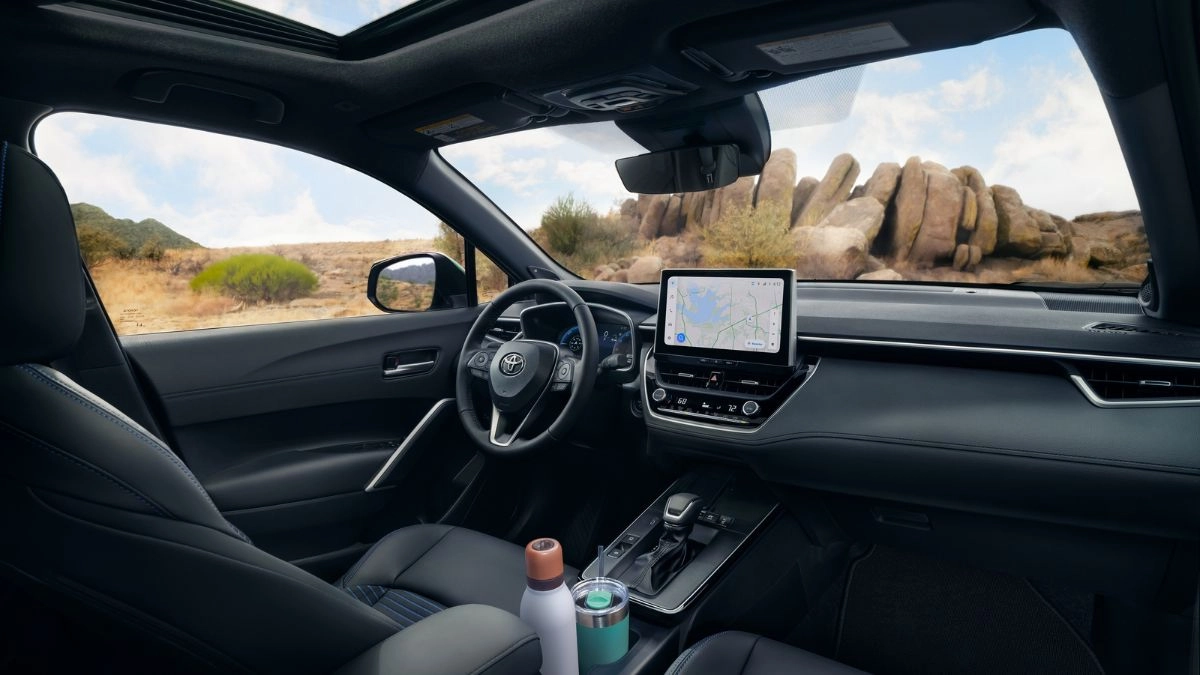

Vehicle inspection is much more than a legal requirement. Whether required by the state or performed preventively, a vehicle inspection allows for the identification of hidden faults before they become serious problems.
Also read: Toyota reveals 2026 RAV4 pricing: this is how the lineup looks
A well-inspected car reduces the risk of accidents, extends the vehicle's lifespan, and prevents unexpected expenses.
You can read: Kia freezes the EV9 GT launch in the US market
However, diagnoses are not always clear or comprehensive. A high estimate or recommendations to replace multiple parts can raise doubts about the reliability of the initial inspection. Knowing when to seek a second opinion is key to protecting both your safety and your wallet.
Types of Inspections and What They Check
In the United States, inspections can be state or private, and each serves different purposes:
Both inspections can detect significant problems, but the depth, cost, and evidence presented vary depending on the service you choose.
Warning Signs That Justify a Second Opinion
It's not always easy to discern whether a diagnosis is reliable. Some signs suggest that consulting another specialist is advisable:
“A second opinion can prevent unnecessary repairs and confirm whether the problem truly requires costly intervention,” explain automotive maintenance experts.
How to effectively request an additional evaluation
For a second opinion to be useful, it is recommended to follow a few steps:
This comparison allows you to determine if the initial estimate was inflated or if there is indeed a significant fault, helping you make informed decisions.
Economic advantages of a second opinion
An additional check-up can represent significant savings. Among the most notable benefits:
Many drivers consider this practice a measure of financial security, which protects both the vehicle and the family budget.
Common cases where it's advisable to get a second opinion
Some specific examples include:
In these cases, a second workshop can identify whether the problem is real or if the proposed repair isn't immediately necessary.
Seeking a second opinion doesn't mean distrusting the first workshop, but rather protecting your investment and ensuring your vehicle remains safe. A vehicle inspection is a fundamental step, but the additional evaluation helps confirm that any repair is truly the right one.
Ultimately, the combination of regular checkups, reliable diagnostics, and informed decisions ensures your car runs optimally and that every dollar spent on maintenance serves a real purpose.