

Former President Nicolás Maduro is sued for allegedly ordering torture and deaths in Venezuela
Former President Nicolás Maduro must respond to accusations from relatives of victims who hold him responsible for ordering torture and murders
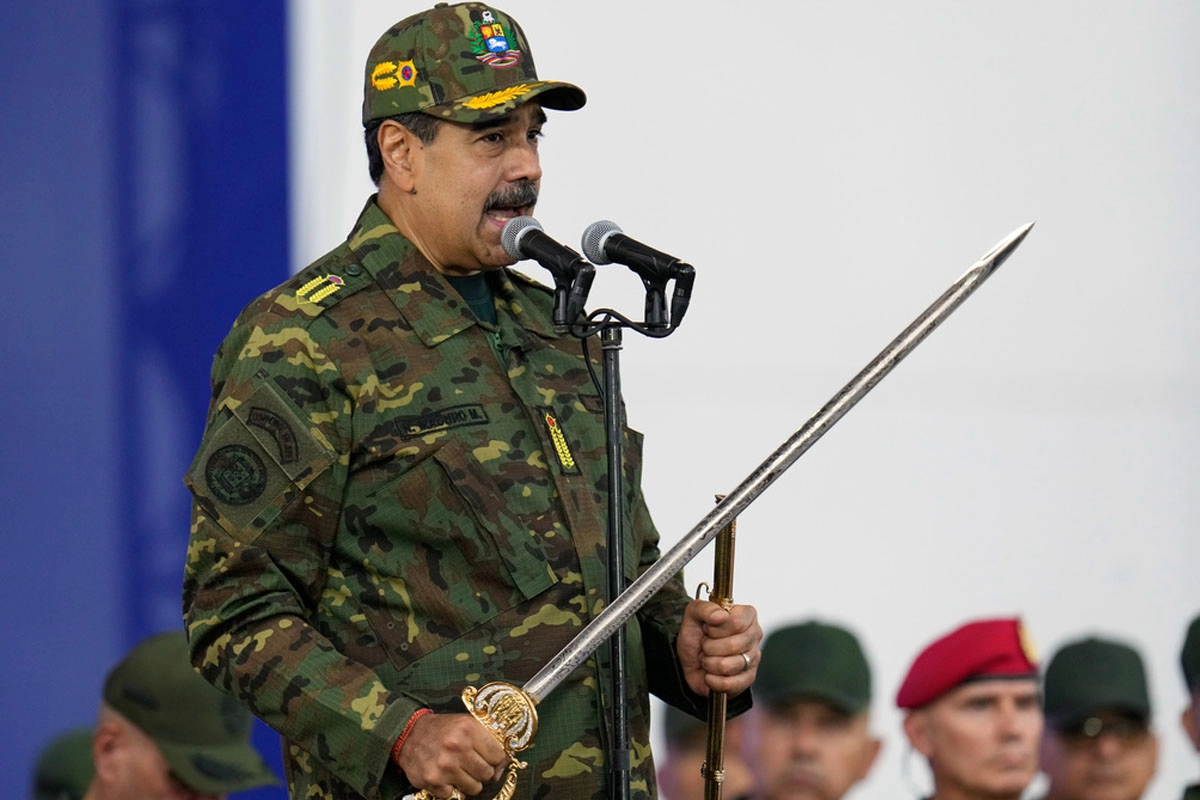

In an unprecedented legal action, a formal lawsuit was filed in a Brooklyn court against former President Nicolás Maduro, who is credited with ordering the torture and death of several people during his tenure as former president of Venezuela.
Federal prosecutors from the Eastern District of New York structured a detailed file that exposes the suffering to which at least five young people were subjected during security operations implemented in Venezuela, between 2017 and 2020, by orders of the then head of the nation.
The complaint was filed on behalf of three mothers, a father and a woman who claims to have lost two brothers during police operations carried out in the Bolivarian Republic.
This procedure is based on the Torture Victims Protection Act, a US law that allows civil lawsuits to be filed against foreign officials accused of torture or extrajudicial executions committed in the exercise of official functions.
According to the lawsuit, there is compelling evidence that connects Maduro's leadership with the execution of selective murders of opponents.
It should be noted that before formalizing the process, personnel from intelligence agencies took on the task of collecting testimonies from deserters from the Venezuelan government, as well as encrypted communications confirming the abuse of power led by former president Maduro.
In solidarity, some human rights organizations have expressed their support for sanctions to be imposed on those responsible for the torture and death of victims whose relatives demand justice.
However, the still sympathizers of Nicolás Maduro who exist in Venezuela reject the accusations issued from the United States and demand the release of the former president and his wife, arguing that it is all a strategy aimed at exercising full control of the oil reserves of the Bolivarian Republic.
A point to highlight is that, if the judicial process advances, it will establish decisive jurisprudence for future cases presented against other government leaders.