

Chandigarh’s Bold Crackdown: Demolition Drive Targets Illegal Settlements Amidst Public Discontent
Chandigarh authorities initiate a significant demolition drive against unauthorized settlements, leading to mixed reactions from residents and officials.
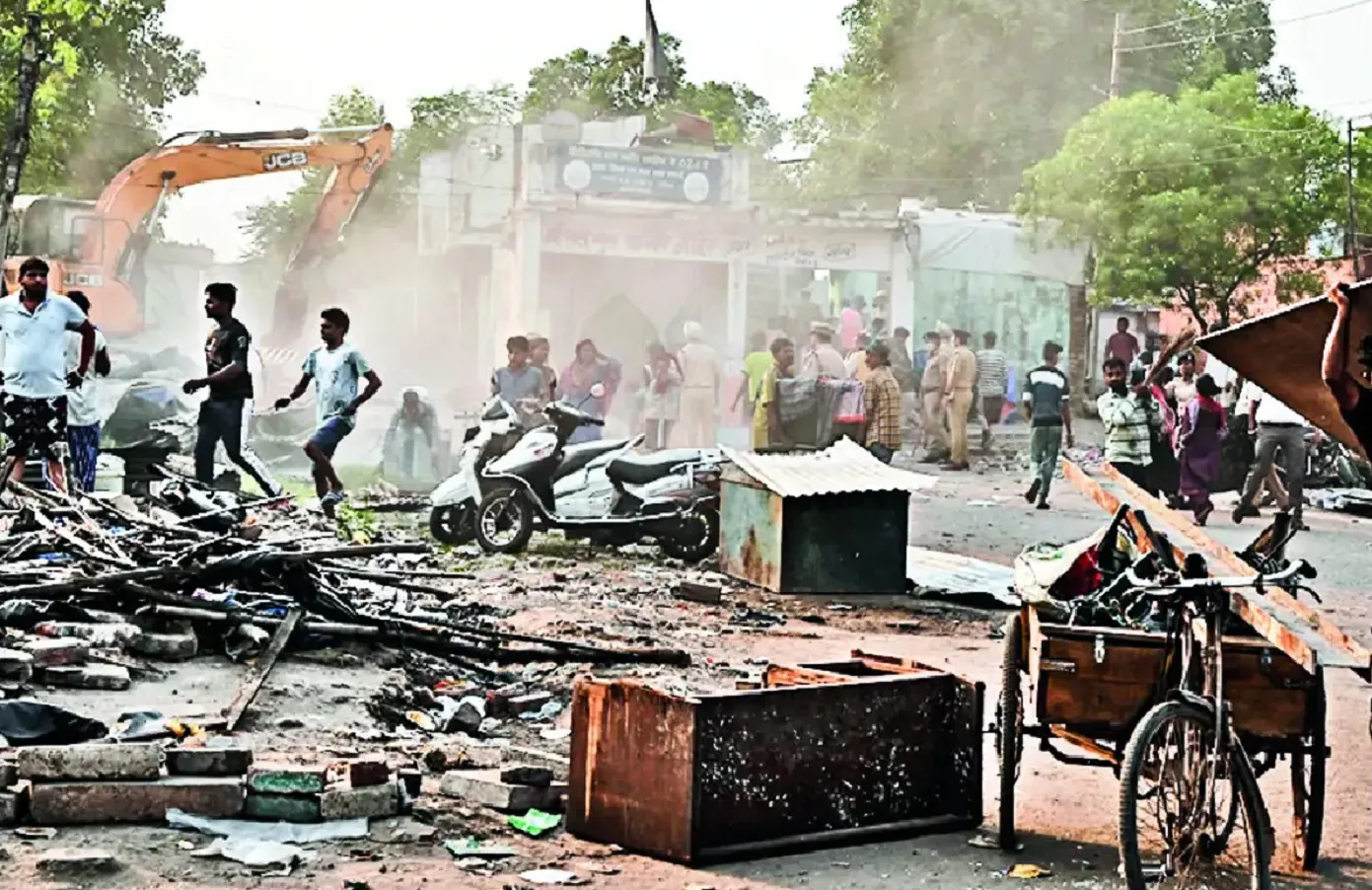

In a decisive move to reclaim public land, Chandigarh’s administration has embarked on a comprehensive demolition drive targeting unauthorized settlements sprawling over approximately 10 acres. Spearheaded by Sub-Divisional Magistrate (SDM) Central, Naveen Battu, the operation aims to address long-standing issues of illegal habitation that have posed challenges to urban planning and infrastructure development.
Initiation of the Demolition Drive
SDM Naveen Battu articulated the administration’s stance, stating, “There have been illegal habitations around 10 acres of land here. We had given them notice and started demolition drive today. Our drive has been successful. We didn’t see any resistance from people...it is going on peacefully...” This statement underscores the administration’s commitment to lawful procedures and community engagement during the operation.
Community Reactions and Concerns
While the administration reports a peaceful execution of the demolition, the affected communities express a spectrum of emotions ranging from resignation to distress. Many residents, having established their homes over years, find themselves displaced and uncertain about their future. The absence of immediate rehabilitation plans has intensified their apprehensions, highlighting the need for comprehensive resettlement strategies alongside enforcement actions.
Political and Social Implications
The demolition drive has not only stirred emotions among residents but also sparked political debates. Opposition parties and social activists question the timing and execution of the operation, suggesting that alternative solutions could have been explored. They advocate for a more empathetic approach that balances legal enforcement with humanitarian considerations, ensuring that vulnerable populations are not disproportionately affected.
Legal Framework and Administrative Measures
The Chandigarh administration’s actions are grounded in legal mandates aimed at curbing unauthorized constructions. Notices were reportedly issued well in advance, providing occupants with the opportunity to vacate voluntarily. The operation aligns with broader urban development policies seeking to optimize land use and enhance city planning. However, the effectiveness of such measures hinges on transparent communication and the provision of viable alternatives for displaced individuals.
Future Outlook and Recommendations
As Chandigarh continues to evolve, balancing urban development with social equity remains paramount. Authorities are encouraged to implement inclusive policies that address the root causes of unauthorized settlements, such as affordable housing shortages and migration pressures. Collaborative efforts involving government agencies, civil society, and community members can foster sustainable solutions that uphold the rights and dignity of all citizens.
The recent demolition drive in Chandigarh underscores the complexities inherent in urban governance. While the enforcement of laws is essential for orderly development, it must be complemented by compassionate policies that safeguard the welfare of affected populations. Moving forward, a holistic approach that integrates legal, social, and economic considerations will be crucial in shaping a city that is both law-abiding and inclusive.