

Debate Among Democrats Over ‘Lotus for POTUS’ Slogan for Kamala Harris
A section of Democrats on social media debates the appropriateness of the ‘Lotus for POTUS’ slogan for Kamala Harris, linking it to BJP, and whether the term coconut is racist.
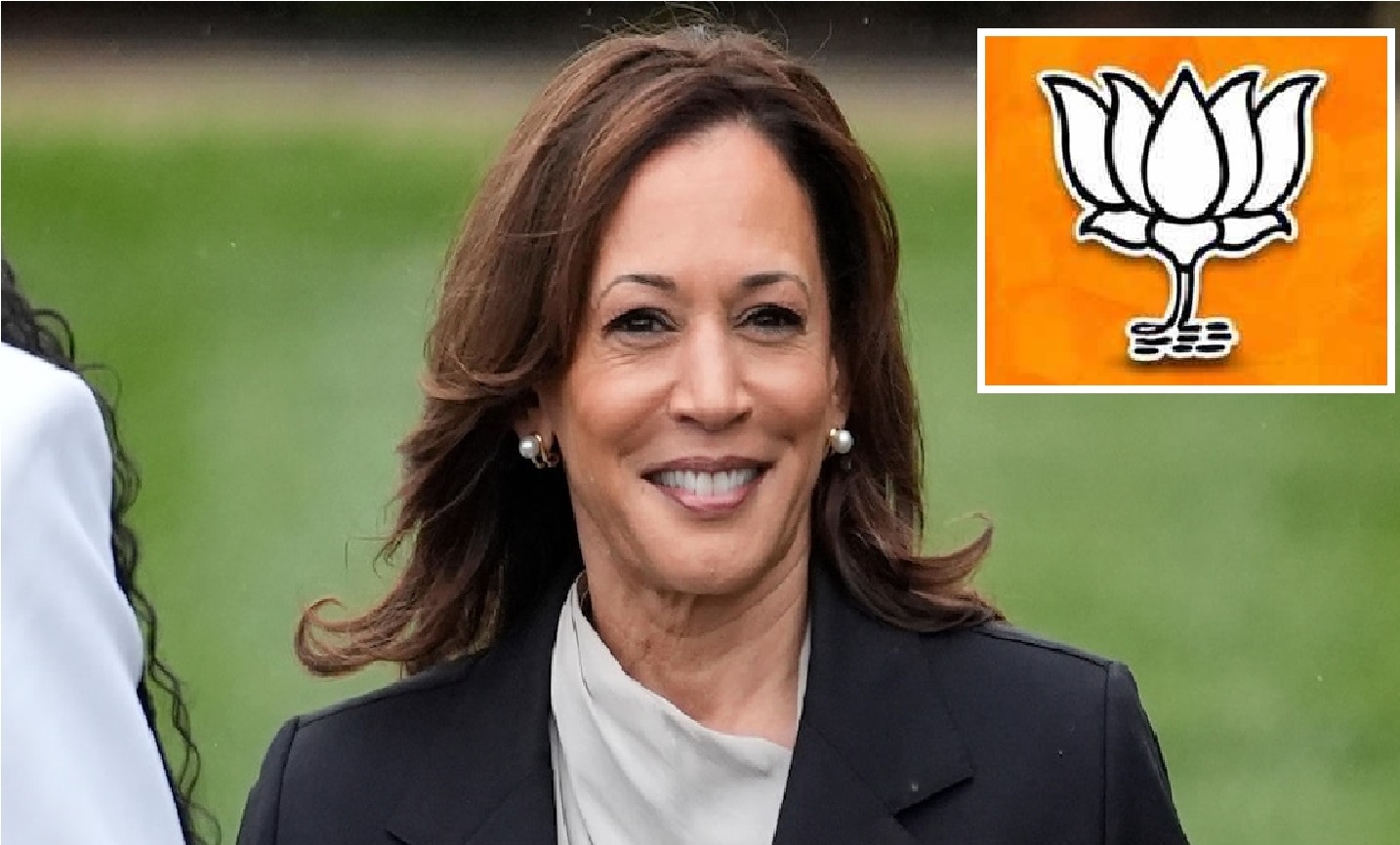

A heated debate has erupted among a section of Democrats on social media regarding the use of the slogan ‘Lotus for POTUS’ for Vice President Kamala Harris. The controversy stems from the dual significance of the word ‘Lotus’ which translates to Kamala in Sanskrit and is also the symbol associated with the Bharatiya Janata Party (BJP) in India.
The Origin of the Slogan
The slogan ‘Lotus for POTUS’ was initially coined to highlight Kamala Harris’s Indian heritage, with ‘Kamala’ meaning ‘Lotus’ in Sanskrit. The phrase was intended to generate enthusiasm among her supporters, particularly within the Indian-American community. However, its unintended political connotations have sparked a wider discussion.
Association with BJP
Critics of the slogan point out that the lotus is the symbol of the BJP, the ruling party in India, which is often associated with right-wing Hindu nationalist policies. They argue that using a symbol linked to a foreign political party could create confusion and possibly alienate some voters. This has led to an intense debate on social media platforms like Twitter and Facebook, where users are expressing their opinions on whether the slogan is appropriate.
“Using ‘Lotus’ as a slogan for Kamala Harris could unintentionally associate her with BJP’s policies, which is problematic.” – Social Media User
The ‘Coconut’ Controversy
In a parallel discussion, some Democrats are debating whether the term ‘coconut’ is a racist reference when used for Kamala Harris. ‘Coconut’ is a slang term that has been used to describe someone who is perceived as brown on the outside but white on the inside. This term, often considered derogatory, has been suggested by some as another way to refer to Kamala Harris, given her mixed Indian and Jamaican heritage.
Reactions from Social Media
Social media has seen a variety of reactions to both the ‘Lotus’ and ‘coconut’ references. Supporters of the ‘Lotus for POTUS’ slogan argue that it is a beautiful and meaningful way to honor Harris’s heritage, while detractors believe it could send the wrong message politically. Similarly, the use of ‘coconut’ has been largely condemned as offensive and inappropriate.
“Calling Kamala Harris a coconut is not just inappropriate, it’s offensive and undermines her identity.” – Social Media User
Ongoing Debate
The debate highlights the complexities of political messaging in a multicultural context. As the Democratic Party prepares for future elections, finding slogans and symbols that resonate positively with diverse constituencies without unintended negative connotations will be crucial. The discussions surrounding Kamala Harris’s representation show the sensitivity required in navigating cultural and political symbolism.
As the debate continues, it is clear that political messaging is a nuanced and multifaceted challenge. While the intention behind the “Lotus for POTUS” slogan was to celebrate Kamala Harris’s heritage, its association with the BJP and the controversy over the term “coconut” demonstrate the need for careful consideration of all potential implications. The ongoing discussions among Democrats are a testament to the importance of thoughtful and inclusive political discourse.