

“India’s Diplomatic Warning: EAM S. Jaishankar Holds Pakistan Accountable for Pahalgam Attack”
In the wake of the Pahalgam attack, India’s External Affairs Minister S. Jaishankar delivers a stern message to Pakistan, emphasizing consequences for cross-border terrorism and urging international accountability.
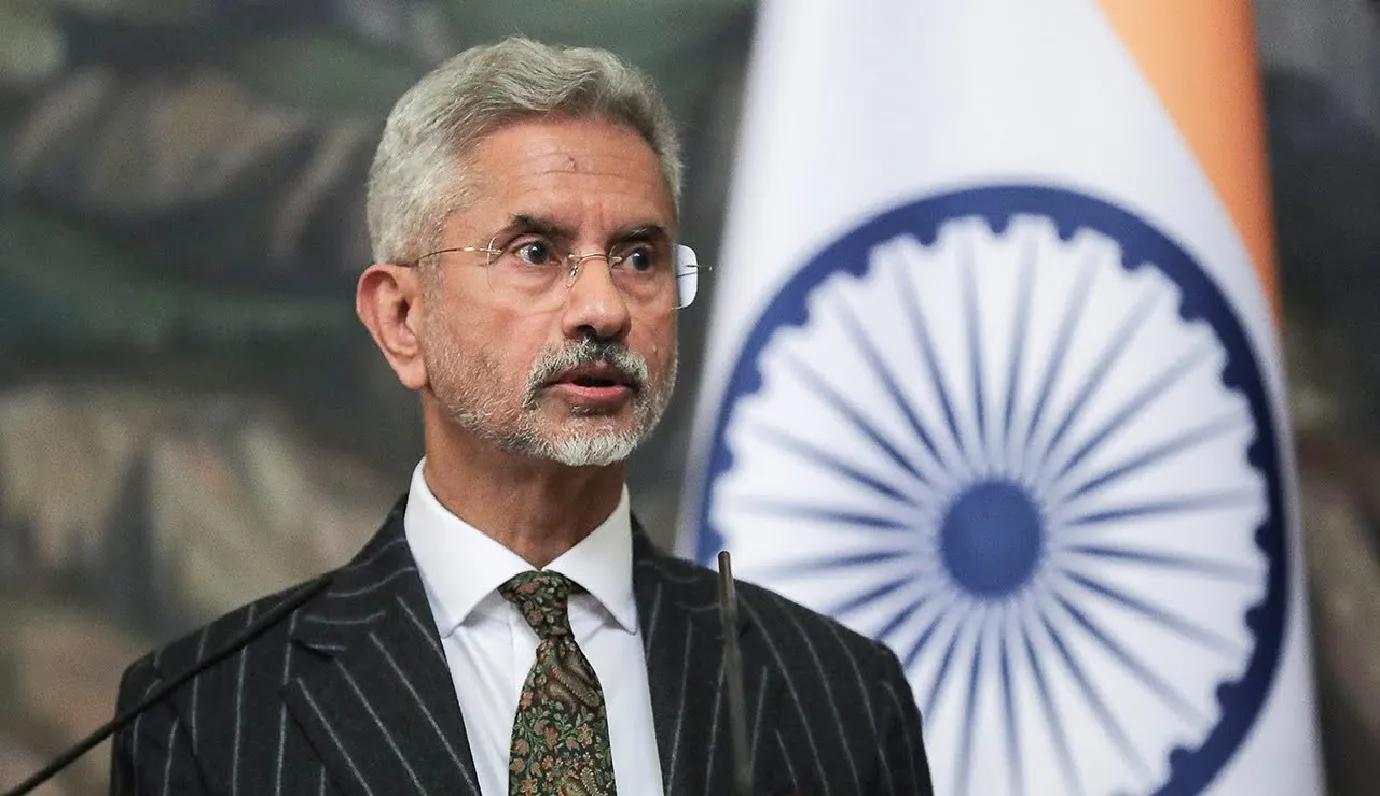

In a decisive diplomatic move, India’s External Affairs Minister, S. Jaishankar, has issued a stern warning to Pakistan, holding it accountable for the recent terrorist attack in Pahalgam, Kashmir, which claimed the lives of 26 Hindu civilians. The minister emphasized that Pakistan’s continued support for cross-border terrorism will not go unanswered and that such actions will inevitably lead to consequences.
“A Tragic Incident Sparks Diplomatic Tensions”
The Pahalgam attack, carried out by militants affiliated with the group Kashmir Resistance, has intensified already strained relations between India and Pakistan. Survivors recounted harrowing experiences, with assailants reportedly targeting individuals based on their religious identity. The brutality of the attack has shocked the nation and prompted calls for decisive action against those responsible.
“Jaishankar’s Unambiguous Message to Pakistan”
Addressing the United Nations General Assembly, Minister Jaishankar did not mince words. He stated, “Pakistan’s policy of cross-border terrorism will never succeed, and it can have no expectation of impunity. On the contrary, actions will certainly have consequences.” He further criticized Pakistan’s ideological commitment to terrorism, suggesting that its GDP could be measured in terms of radicalization and exports in the form of terrorism. This strong rhetoric underscores India’s resolve to hold Pakistan accountable on the international stage.
“International Community Urged to Take Notice”
Jaishankar’s remarks also served as a call to the global community to recognize and address Pakistan’s role in fostering terrorism. He highlighted the need for international mechanisms to sanction and deter state-sponsored terrorism, urging that political considerations should not impede the sanctioning of global terrorists by the United Nations. This appeal reflects India’s broader strategy to isolate Pakistan diplomatically over its alleged support for terrorist activities.
“Pakistan’s Response and Denial”
In response to the accusations, Pakistan has denied any involvement in the Pahalgam attack, calling for a neutral investigation and warning of potential Indian military action. Pakistani officials claim to have credible intelligence suggesting an imminent Indian strike, further escalating tensions between the two nations. Despite these denials, India remains firm in its stance, demanding accountability and cessation of support for terrorist groups.
“India’s Strategic Measures”
Following the attack, India has taken several strategic measures, including suspending the Indus Waters Treaty and closing the Wagah-Attari border. These actions signify a shift towards a more assertive foreign policy, aimed at pressuring Pakistan to change its approach to terrorism. Additionally, India has expelled Pakistani diplomats and ordered Pakistani nationals with SAARC visas to leave the country within 48 hours, signaling a significant diplomatic downgrade.
“Global Reactions and Calls for Restraint”
The international community has expressed concern over the escalating tensions. The United States, through Secretary of State Marco Rubio, has called for restraint on both sides, emphasizing the need to avoid further conflict. Meanwhile, the United Nations and other global actors have urged both nations to engage in dialogue and de-escalate the situation to maintain regional stability.
“The Path Forward: Diplomacy and Accountability”
As the situation unfolds, the emphasis remains on diplomatic engagement and holding accountable those responsible for acts of terrorism. India’s firm stance, as articulated by Minister Jaishankar, reflects a broader commitment to combating terrorism and ensuring national security. The coming days will be critical in determining whether diplomatic efforts can prevail over escalating hostilities.
“A Defining Moment in India-Pakistan Relations”
The Pahalgam attack has brought India-Pakistan relations to a critical juncture. Minister Jaishankar’s unequivocal message serves as a reminder that state-sponsored terrorism will not be tolerated and that the international community must play a role in addressing such threats. As both nations navigate this complex landscape, the hope remains for a resolution that prioritizes peace, security, and justice for the victims of terrorism.