

North Korea will deploy additional troops to Russia during the next two months, according to Seoul
North Korea may deploy additional troops to Russia to fight in the war against Ukraine
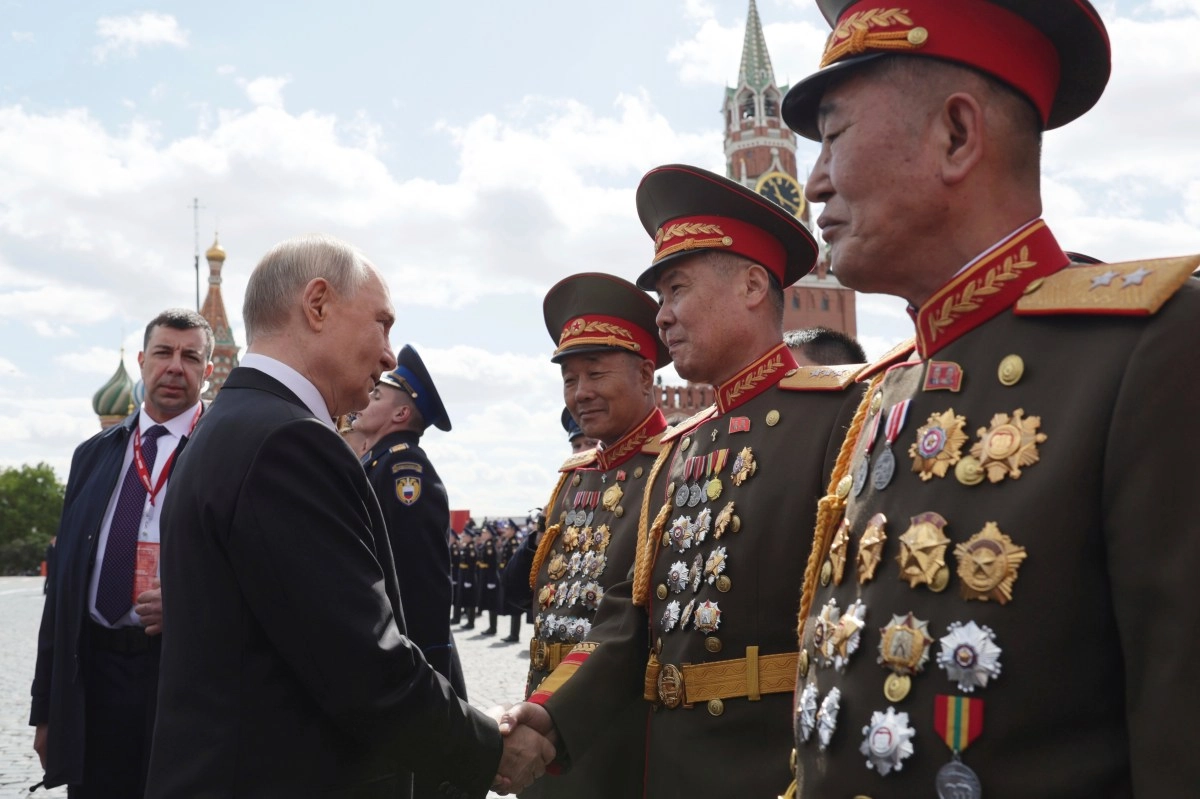

The National Intelligence Service (NIS) in South Korea warned that Pyongyang could deploy additional troops to Russia to fight in the war against Ukraine in July or August; It is currently believed to continue supplying weapons.
South Korean lawmakers, citing intelligence information, say Russia may be preparing to mount a large-scale attack on Ukraine.
Following a meeting last week between Russia's national security secretary and North Korea's president, the deployment of 5,000 construction workers and 1,000 sappers to the Kursk region was agreed upon, South Korean intelligence reported Thursday.
Lawmakers Park Sun-won of the ruling Democratic Party and Lee Seong-kweun of the opposition People Power Party said Pyongyang had already begun the recruitment process for the new deployment, after being informed by the National Intelligence Service (NIS) during a closed-door session of the parliamentary intelligence committee, Yonhap news agency reported.
According to intelligence, North Korea has contributed significantly to the Russian military effort, supplying more than 10 million artillery shells, missiles and long-range weapons, in exchange for technical assistance and economic cooperation from Moscow.
The agency noted that Russia currently controls approximately 81% of the Ukrainian regions of Donetsk, Zaporizhia, Kherson and Lugansk, and that Ukrainian intelligence services see a new Russian offensive as likely between July and August.
In parallel, the conflict in the Middle East continues to generate concern. South Korean intelligence warned that, despite the current ceasefire, both Israel and Iran could reactivate hostilities for internal political reasons or for regional influence.
Given this scenario, the South Korean government has reinforced security measures for its citizens in the region, as well as monitoring for potential disruptions to the supply chains of oil and other critical inputs.
This new troop deployment, coupled with the logistical support provided so far, strengthens the military alliance between Pyongyang and Moscow at a time when both powers face international sanctions and seek to counter Western isolation.
In exchange for North Korea sending artillery munitions and missiles to Russia, Pyongyang will likely receive technical advice on satellite launches and missile guidance systems.