

Miguel Diaz-Canel says Cuba is willing to engage in dialogue with the US to build a civilized neighborly relationship
The Cuban president indicated that the island is willing to talk with Washington from a
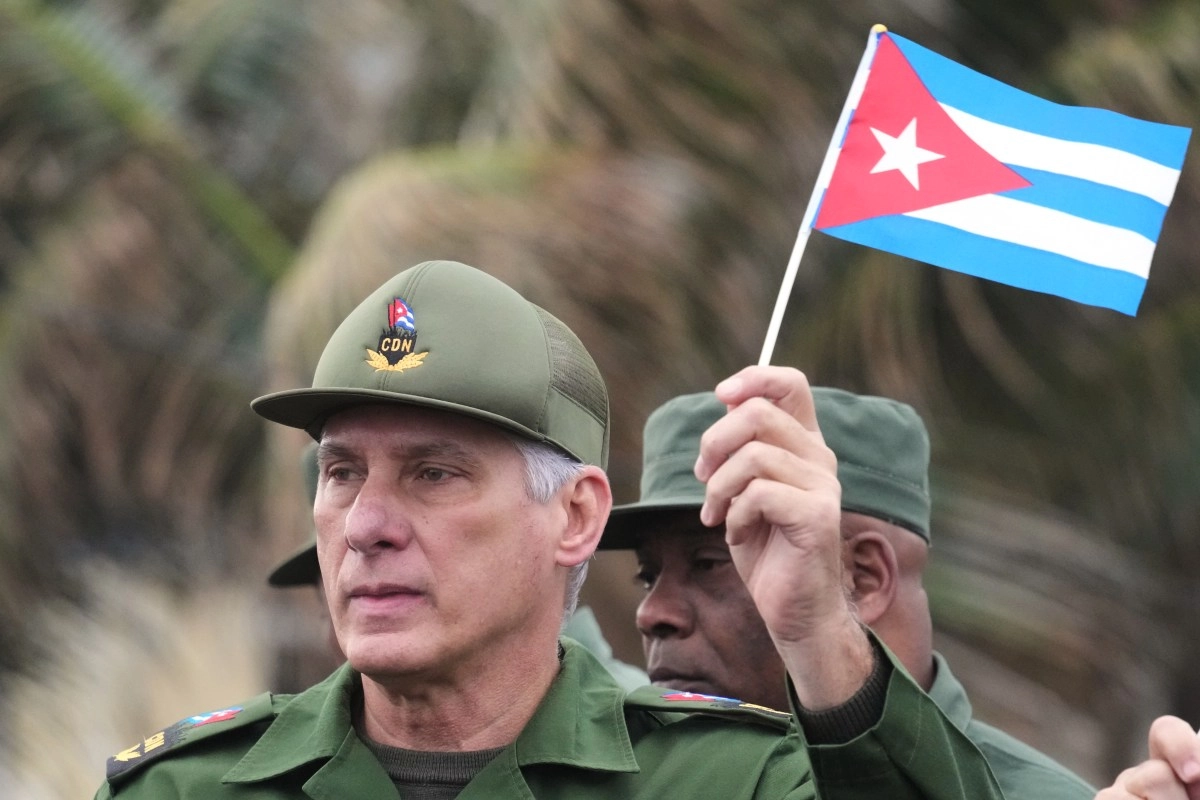

The president of Cuba, Miguel Diaz-Canel, assured this Thursday that the island "is willing to engage in dialogue with the United States" on "any topic," to build "a civilized neighborly relationship" of "mutual benefit."
In an unusual In a televised address, the president indicated that the island is willing to talk with Washington from a position of respect for the sovereignty and self-determination of the Caribbean nation, without addressing issues that, for the Havana government, could be interpreted as interference. “From a dialogue like this, a civilized neighborly relationship can be built,” the Cuban president emphasized. Among the topics the Cuban government would be willing to discuss with the United States are migration, security, the fight against drug trafficking, the fight against terrorism, environmental issues, and scientific collaboration, among others. This is not the first time that Diaz-Canel, amidst escalating tensions with the United States following the arrest of Venezuelan President Nicolas Maduro and the oil embargo against the island, has indicated that Cuba is open to dialogue. On January 12, in a publication In X, the Cuban president assured that the government is willing to “hold a serious and responsible dialogue” on “the basis of sovereign equality, mutual respect, principles of international law, reciprocal benefit, without interference in internal affairs, and with full respect for our independence.” He also denied that Havana is holding talks with the United States, after President Trump urged the Caribbean nation to “reach an agreement before it is too late.” Cuba's Deputy Foreign Minister, Carlos Fernandez de Cossio, had denied on Tuesday, in an interview with EFE, that Havana is jointly designing a negotiating table with the U.S. His statements contrast with those made by Trump in recent days.who has stated on several occasions that his administration is negotiating with the Cuban government, even at a high level.
The US military operation in Caracas meant for Havana, in addition to a blow to a key regional ally, the end of vital energy supplies for the island.
Various experts estimate that of the 110,000 barrels of oil per day that Cuba needs to meet its energy requirements, Venezuela supplied it with approximately 30,000 in 2025.
Trump further increased the pressure on Cuba by signing a presidential order on January 29th threatening trade tariffs on all countries that supply oil to the island.