

Nebraska Will Turn Over Confidential Voter Data to the Department of Justice
“This case threatens the illegal and unprecedented disclosure of highly sensitive information on every Nebraska voter,” warned Common Cause
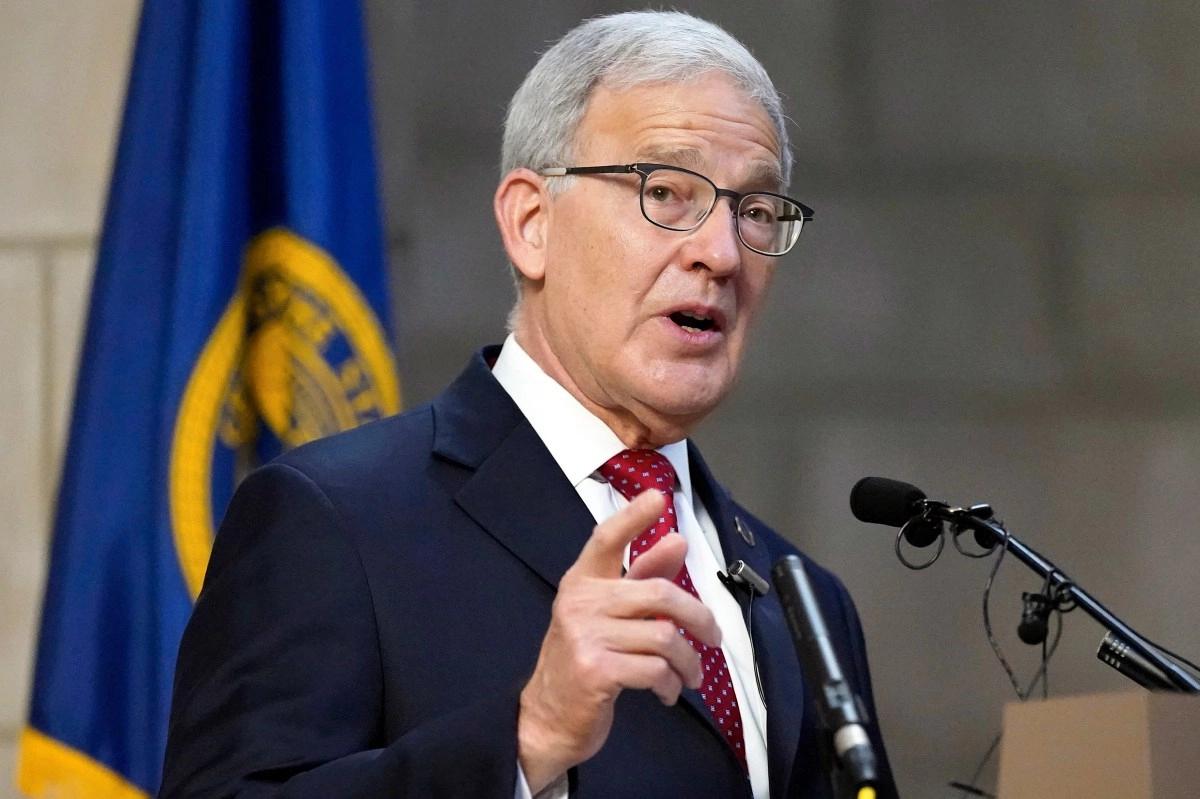

The state of Nebraska will hand over confidential information on all its registered voters to the U.S. Department of Justice this Thursday, after the state Supreme Court refused to halt the measure requested by a voting rights group.
Secretary of State Bob Evnen, a Republican, confirmed that Nebraska's highest court denied an injunction seeking to block the transfer of sensitive data, including birth dates, addresses, and the last digits of voters' Social Security numbers.
The court decision came after a Lancaster County judge dismissed a lawsuit last week filed by Common Cause Nebraska, an organization that sought to prevent the release of the information to President Donald Trump's administration.
“This case threatens the unlawful and unprecedented disclosure of highly sensitive information on every Nebraska voter,” Common Cause's lawyers warned in court documents. “Once the data is released, there will be no turning back.”
Clash between privacy and federal oversight
The Nebraska dispute is part of a broader effort by the Justice Department, which since last year has been requesting voter registration lists and personal data from states to verify compliance with federal voting laws. The agency has sued at least 23 states and the District of Columbia, and has requested information from a total of 44 entities, with the intention of eventually reviewing the records of all 50 states.
Evnen defended the release of the data, noting that the Nebraska Attorney General's Office determined that the federal request “was legal and appropriate.” He explained that the information will be sent electronically and will include an explicit request for respect for privacy laws.
The official stated in a press release that he is committed to protecting personally identifiable information against any misuse. However,When questioned about the possibility that the data could be used to improperly purge legitimate voters, he responded with a phrase that raised doubts: “The only thing I’m sure of is that the sun won’t rest on a tree when it sets tonight.”
Evnen emphasized that Nebraska will not remove any voters solely based on recommendations from the Department of Justice. In the event of allegations, he said, election officials will conduct independent investigations and notify the individuals involved beforehand.
Common Cause, for its part, celebrated the state Supreme Court's decision to hear the case, with a hearing scheduled for March 31. “The Nebraska Supreme Court is sending a strong message: do not release confidential voter data without a court ruling,” stated its executive director, Gavin Geis.
The Department of Justice maintains that the data collection aims to strengthen election security and detect potential inconsistencies in the voter rolls. However, Democratic officials and civil society organizations have warned that centralizing sensitive information in the hands of the federal government could violate privacy laws and open the door to other uses, such as identifying alleged foreigners on the lists. In the United States, elections are administered by state and local governments, which safeguard individual voter information—a principle now at the center of a national debate about privacy and federal control.Democratic officials and civil society organizations have warned that centralizing sensitive information in the hands of the federal government could violate privacy laws and open the door to other uses, such as identifying alleged foreigners on the lists. In the United States, elections are administered by state and local governments, which safeguard individual voter information—a principle now at the center of a national debate about privacy and federal control.Democratic officials and civil society organizations have warned that centralizing sensitive information in the hands of the federal government could violate privacy laws and open the door to other uses, such as identifying alleged foreigners on the lists. In the United States, elections are administered by state and local governments, which safeguard individual voter information—a principle now at the center of a national debate about privacy and federal control.