

Trump reclassifies marijuana to boost medical research
It's about recognizing that cannabis can have legitimate medical applications when administered carefully, the president noted
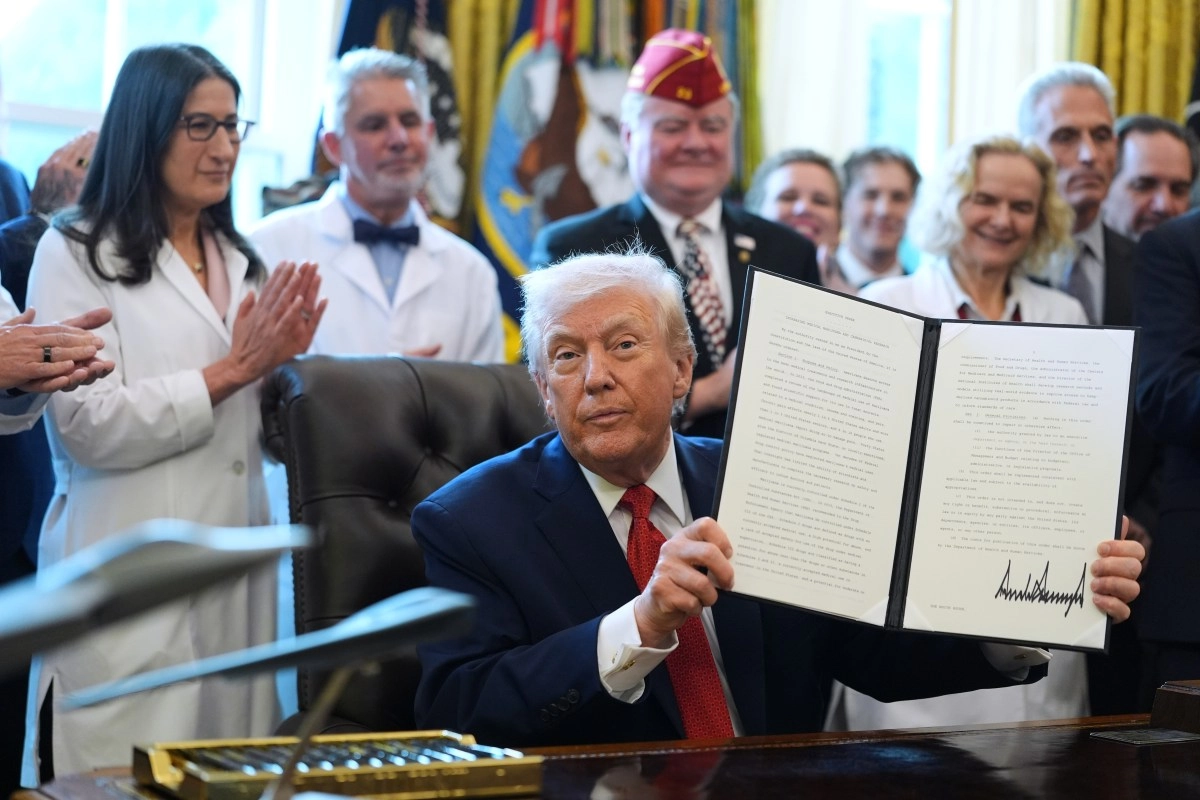

US President Donald Trump downgraded cannabis to a less restrictive drug category to facilitate research with the substance, which, the president clarified, will remain illegal at the federal level for recreational use.
“I want to emphasize that this order does not legalize marijuana in any way, nor “In no sense,” Trump emphasized during the event in the Oval Office. “This is common sense. It’s about recognizing that it can have legitimate medical applications when administered carefully,” added the president, surrounded by oncologists, cancer patients, and representatives from the pharmaceutical industry. The measure, considered historic by reform advocates, removes marijuana from Schedule I—the most restrictive category, which includes heroin—and places it in Schedule III, alongside substances like ketamine. A shift with medical and fiscal impact. The executive order also opens the door to tax benefits long sought by the industry. By ceasing to be a Schedule I substance, legal marijuana companies in the states will be able to access federal deductions for business expenses for the first time, which could translate into lower prices or greater investment, according to financial analyses. Trump emphasized the therapeutic potential of cannabis as an alternative to highly addictive opioids. He mentioned its use for relieving chronic pain, nausea, anxiety, and side effects of cancer treatments. “It can help people who are suffering intensely feel much better,” he stated, though he cautioned that recreational abuse “can ruin lives.” In parallel, the president announced a pilot program for seniors enrolled in Medicare to receive an annual benefit of up to $500 to purchase products containing CBD, a non-psychoactive compound in cannabis widely used to treat epilepsy and other conditions. Reactions and Limitations of the Reform: Proponents of the reform celebrated the move,But they warned that there is still a long way to go. Morgan Fox, political director of the National Organization for the Reform of Marijuana Laws (NORML), called the measure “the biggest move in federal cannabis policy in decades,” although he noted that it does not resolve key issues such as bank protections for companies in the sector or profound changes in criminal justice. Currently, recreational use is legal in 24 states and Washington, D.C., while another 16 allow medical use. Trump has tolerated this legal patchwork during his terms, and although last year he backed a legalization initiative in Florida, he made it clear that he does not foresee full decriminalization in the short term. With this decision, Trump fulfills a campaign promise and marks a turning point in federal cannabis policy, betting on research and medical access, without completely breaking with the existing prohibition.