

Electronic devices that power our homes represent a great threat to our families
Lithium-ion batteries pose a fire risk if damaged, overcharged, improperly manufactured, or disposed of improperly
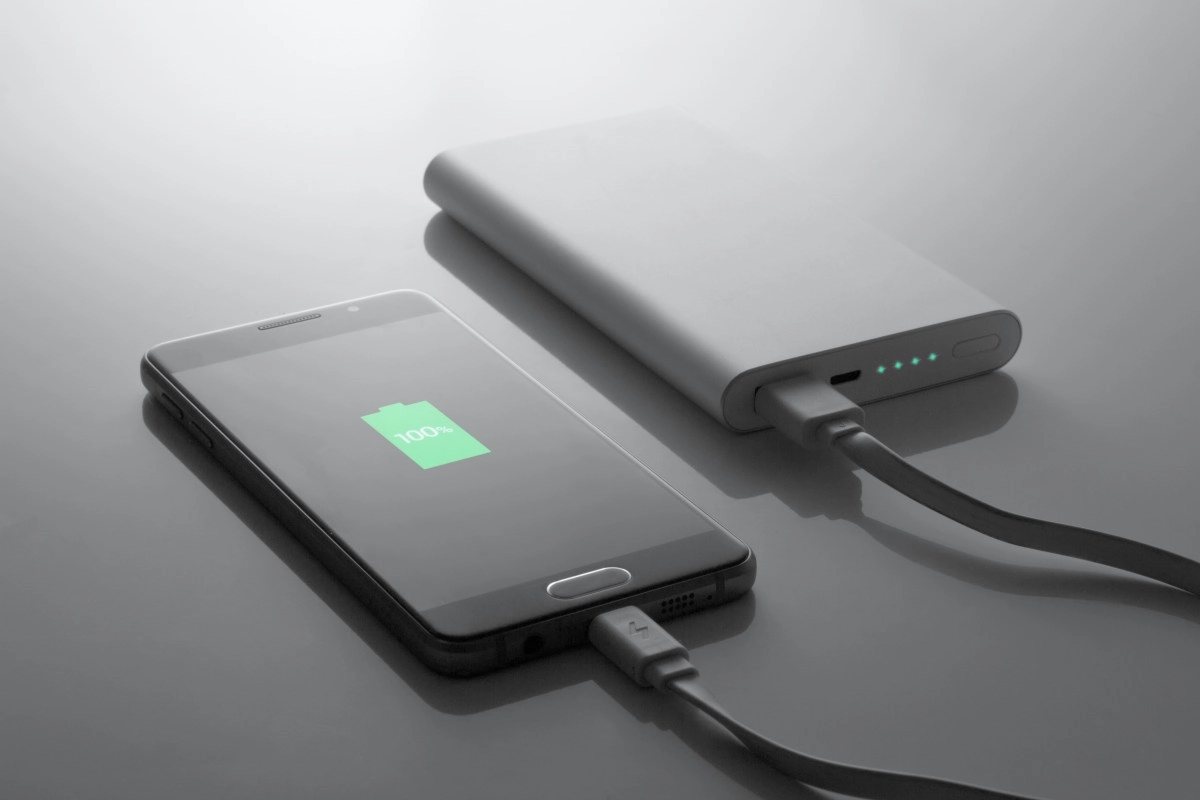

Many Latino homes are vibrant, active, and family-oriented. And while children play on their consoles and grandparents read on their tablets, they are likely unaware of the hidden safety risks that surround them. According to the Pew Research Center, approximately 26% of Hispanic Americans live in multigenerational households. In these busy homes, where dozens of devices may be charging simultaneously in multiple rooms and common areas, a single technical failure can have a widespread impact on the entire family. Lithium-ion batteries are the small, powerful component at the heart of our connected lives. These rechargeable batteries have transformed modern convenience, but they also pose a significant fire risk if damaged, overcharged, poorly manufactured, or improperly disposed of. It is important for modern families to understand the dangers these rechargeable batteries pose. Local fire departments in the U.S. respond to an average of up to 350,000 residential structure fires each year, according to data from the National Fire Protection Association. Safety technology has improved over the years, but the materials inside our homes have also changed, accelerating fires that occurred decades ago. A study by UL Research Institutes' Fire Safety Research Institute reveals that, due to the synthetic materials in modern furniture, a family may have less than three minutes to escape a house fire. If the fire is fueled by the battery of a larger device, such as an electric bicycle, that safety margin can be reduced to less than 60 seconds. This speed makes prevention the most effective tool for protecting our loved ones. To keep our homes safe, we should prioritize purchasing certified quality electronics and replacement batteries.This means looking for a brand that is “listed” or “certified” by a nationally recognized testing laboratory. Electronic products can be expensive, but opting for cheap, unbranded chargers and batteries sold online often means they haven't been tested to meet these rigorous safety standards and are much more likely to fail under stress. That's why it's also important to use only the charging equipment included with the device and avoid the common habit of charging small items in areas that can overheat (like under a pillow), or charging larger items overnight or in “escape routes” such as hallways or near front doors. A fire in this location could block the family's only way out. Batteries that look swollen, feel too hot to the touch, or emit a strange odor are no longer safe. And when a device starts hissing or popping, or emits a thin, grayish-white smoke, it has reached a state of immediate danger and should be unplugged and moved away from any flammable objects, if it is safe to do so. If a battery is damaged or has reached the end of its useful life, never throw it in household trash or a public recycling bin, as they can catch fire when crushed in a garbage truck. Most US cities have battery recycling centers or designated drop-off points, such as a local electronics store. You just need a quick online search and a quick stop the next time you're out running errands. We must contribute to the safety not only of our homes, but also of our communities. Data from UL Standards and Engagement indicates that, on average, two flights per week experience a battery-related "thermal runaway" incident. If you travel, keep your lithium-ion devices, such as portable chargers and vaporizers, in your carry-on luggage, where you can easily access them, rather than in your checked luggage, which is stored in the hold. In a world increasingly powered by high-energy batteries, the best defense is awareness. Treat your devices with due care, recognize signs of trouble before they cause a crisis, and protect your home and your families. (*) Alejandro Lozano is a security spokesperson for UL Research Institutes.That's why it's also important to use only the charging equipment included with the device and avoid the common habit of charging small items in areas that can overheat (like under a pillow), or charging larger items overnight or in "escape routes" like hallways or near front doors. A fire in this location could block the family's only way out. Batteries that look swollen, feel too hot to the touch, or emit a strange odor are no longer safe. And when a device starts hissing or popping, or emits a thin, grayish-white smoke, it has reached a state of immediate danger and should be unplugged and moved away from any flammable objects, if it is safe to do so. If a battery is damaged or has reached the end of its useful life, never throw it in household trash or a public recycling bin, as it can catch fire when crushed in a garbage truck. Most U.S. cities have battery recycling centers or designated drop-off points, such as a local electronics store. All it takes is a quick online search and a quick stop the next time you're out running errands.
We must contribute to the safety not only of our homes, but also of our communities. Data from UL Standards and Engagement indicates that, on average, two flights a week experience a battery-related "thermal runaway" incident. If you travel, pack your lithium-ion devices, such as portable chargers and vaporizers, in your carry-on luggage, where you can access them, rather than in your checked luggage, which is stored in the hold.
In a world increasingly powered by high-energy batteries, the best defense is awareness. Treat your devices with due care, recognize the signs of trouble before they cause a crisis, and protect your home and your families.
(*) Alejandro Lozano is a security spokesperson for UL Research Institutes