

FDA analyzes two oral antibiotics to treat cases of resistant gonorrhea
The drugs under review are zoliflodacin, which achieved a 90% cure rate in phase III, and gepotidacin, used to treat urinary tract infections.
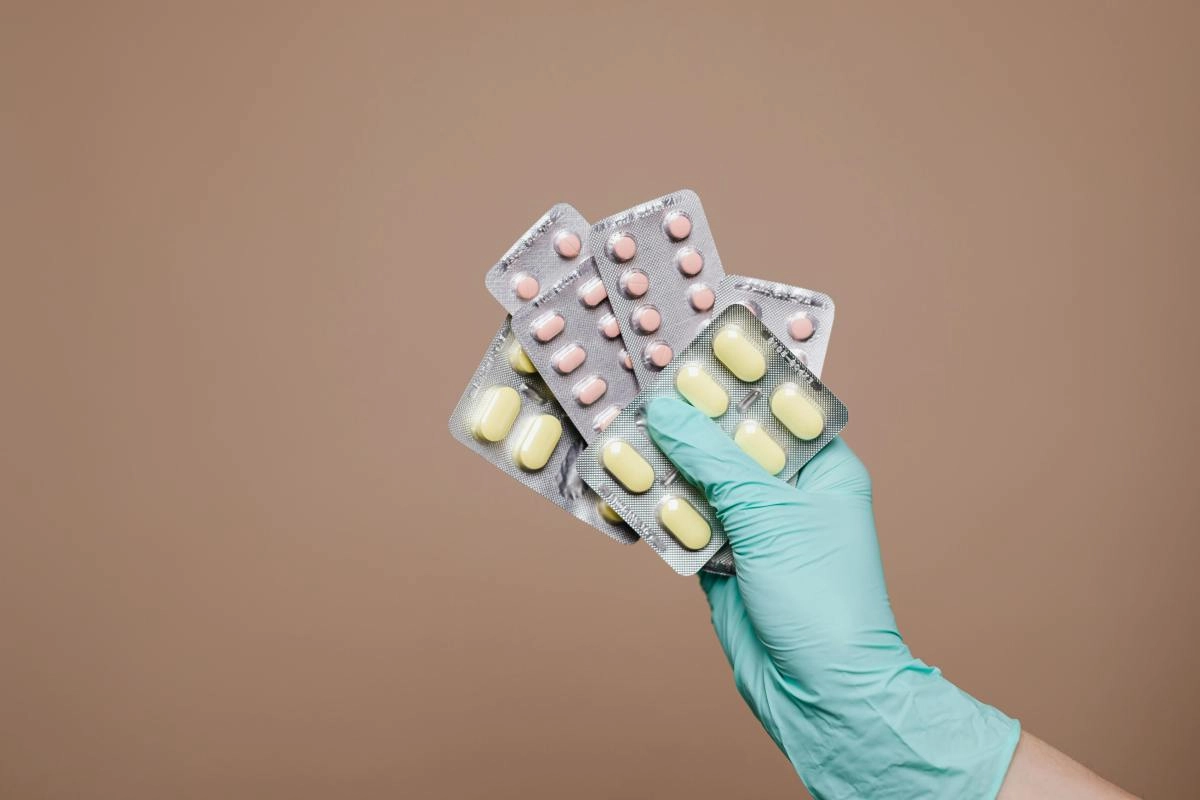

The U.S. Food and Drug Administration (FDA) is analyzing the approval of two new oral antibiotics that could change the treatment of gonorrhea: zoliflodacin and gepotidacin. Both have shown promising results in clinical trials and represent crucial advances in the fight against an infection that is increasingly less responsive to traditional treatments.
Currently, gonorrhea is primarily treated with an injection of ceftriaxone (usually combined with azithromycin), but worrying resistance to this antibiotic has been documented in the last decade. The new drugs, on the other hand, use different mechanisms to attack the bacteria Neisseria gonorrhoeae.
Zoliflodacin: a single oral dose
Zoliflodacin, developed by Innoviva Specialty Therapeutics with support from the World Health Organization (WHO) and the Global Alliance for Antibiotic Research and Development (GARDP), is under priority review by the FDA.
On June 10, 2025, the regulatory agency formally accepted its New Drug Application (NDA) for the treatment of uncomplicated gonorrhea in adolescents and adults.
The drug is administered orally in a single dose and works by inhibiting the bacteria’s topoisomerase II, a different target than current antibiotics, thereby reducing the risk of cross-resistance. In a multi-country Phase III clinical trial, zoliflodacin achieved a 90.9% cure rate, comparable to standard of care injectable ceftriaxone and azithromycin, but with better tolerability.
“Zoliflodacin represents a new class of antibiotics that may offer a safe and effective oral option against resistant strains,” said David Hooper, an infectious disease specialist at Massachusetts General Hospital, as quoted by GARDP.
The FDA has set a December 15, 2025, deadline for its regulatory decision (PDUFA). If approved,It would be the first oral alternative against gonorrhea in more than 30 years.
Gepotidacin: another strong candidate,
The second drug on the radar is gepotidacin, an antibiotic developed by GSK . Although it was already approved in March 2025 for the treatment of uncomplicated urinary tract infections under the brand name Blujepa, the company plans to extend its indication to gonorrhea.
Gepotidacin inhibits two essential enzymes for bacterial replication (DNA gyrase and topoisomerase IV), and in phase III clinical trials it has demonstrated a cure rate of 92.6% in cases of genital gonorrhea. It is administered as two oral doses, facilitating outpatient treatment.
While a formal application for expanded use has not yet been submitted to the FDA for this specific infection, the company confirmed that it is preparing regulatory documents based on the results of its global clinical trials.
“This generation of oral antibiotics represents a critical opportunity to respond to the growing threat of resistant gonorrhea,” said Jayne Lawrence, scientific director of GSK Anti-Infectives.
A context of health emergency
Gonorrhea is one of the most common sexually transmitted diseases in the United States. According to the Centers for Disease Control and Prevention (CDC), cases have doubled, from 309,341 reported cases in 2010 to more than 600,000 declared by the end of 2023, and multi-drug resistant strains have become increasingly common. Adding to this is the concern over recent cuts to CDC laboratories, which have weakened the ability to monitor resistance mutations in real time.
Therefore, the development of new antibiotic therapies is a public health priority. By granting zoliflodacin the "Qualified Infectious Disease Product" (QIDP) designation, the FDA recognizes its strategic value in this scenario.
Next Steps
Both oral treatments could mark a turning point in the clinical approach to this infection, offering practical, effective, and easier-to-administer alternatives, especially in populations with limited access to medical care.