

CPJ denounces Trump for threatening press freedom of foreign correspondents
National and international organizations maintain the call to strengthen legal protections for the press and preserve constitutional guarantees
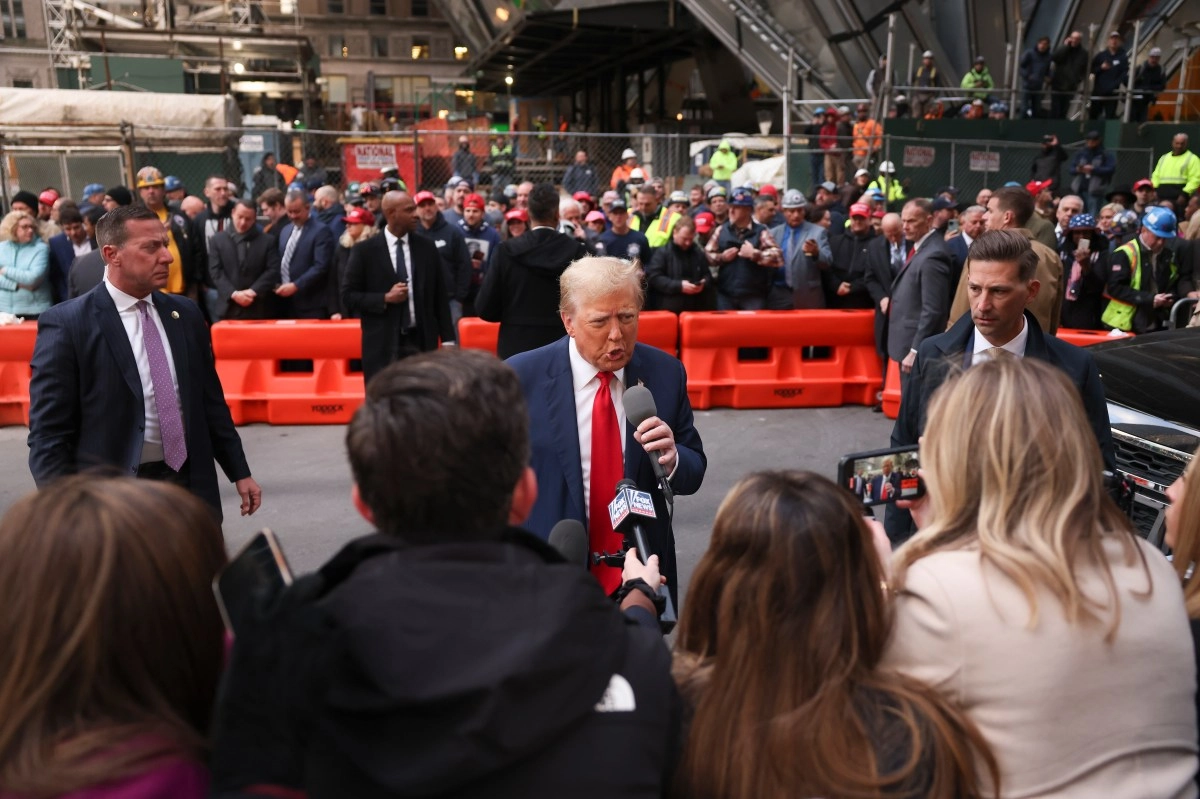

The Committee to Protect Journalists (CPJ) expressed this Thursday its rejection of the new immigration restrictions promoted by President Donald Trump's administration for foreign correspondents, considering that they represent a setback for press freedom and could hinder international journalistic coverage from the United States.
The organization warned that the modifications to the visa program for foreign media representatives break with a policy in force for decades, under which journalists could carry out their work without their immigration status being subject to periodic reviews related to their permanence in the country.
According to the Department of Homeland Security (DHS), the new regulation establishes a maximum stay limit of 240 days for holders of the I visa, used by accredited foreign journalists, while for Chinese citizens the period would be reduced to 90 days. The rule also includes greater requirements for renewals and immigration reviews.
CPJ maintained that these measures could affect thousands of international correspondents and their families, in addition to generating uncertainty among foreign media that maintain permanent coverage in the United States.
Organizations warn about impact on press freedom
José Zamora, director of CPJ for the Americas, stated that the decision represents a new escalation in a series of actions that, according to the organization, have increased pressure on journalistic practice during the current administration. The agency also asked Congress to ensure that decisions related to the issuance or renewal of visas are not linked to the content of news coverage and asked the federal government to reconsider the policy before it comes into effect.
According to the draft version of the regulation, published by the DHS, the changes would be part of a broader reform that also modifies the immigration conditions for international students and participants in cultural exchange programs, who use the F and J visas. The regulation would come into effect 60 days after its official publication in the Federal Register, although it could still be subject to legislative revisions.
Concern grows over actions against journalists
The new immigration restrictions join other recent decisions by the Trump administration that have generated concern among organizations defending freedom of expression. Over the past few weeks, the Justice Department has issued subpoenas against journalists in investigations related to leaks of classified information.
Various press advocacy groups consider that these types of measures can have an inhibiting effect on information sources and make it difficult to publish reports of public interest.
The administration has defended these actions, arguing that the investigations seek to identify officials responsible for disclosing confidential information and not directly pursue journalists. However, First Amendment specialists argue that more frequent use of subpoenas and tougher immigration conditions for foreign correspondents could discourage independent coverage of government affairs and limit the flow of information to the public.
While the reactions continue, national and international organizations maintain the call to strengthen legal protections for the press and preserve the constitutional guarantees that allow the exercise of journalism in the United States.