

Trump’s Executive Order Targets Sanctuary Cities: Federal Funding at Risk
President Donald Trump signs an executive order directing federal agencies to identify sanctuary cities and potentially cut their funding, intensifying immigration enforcement efforts.
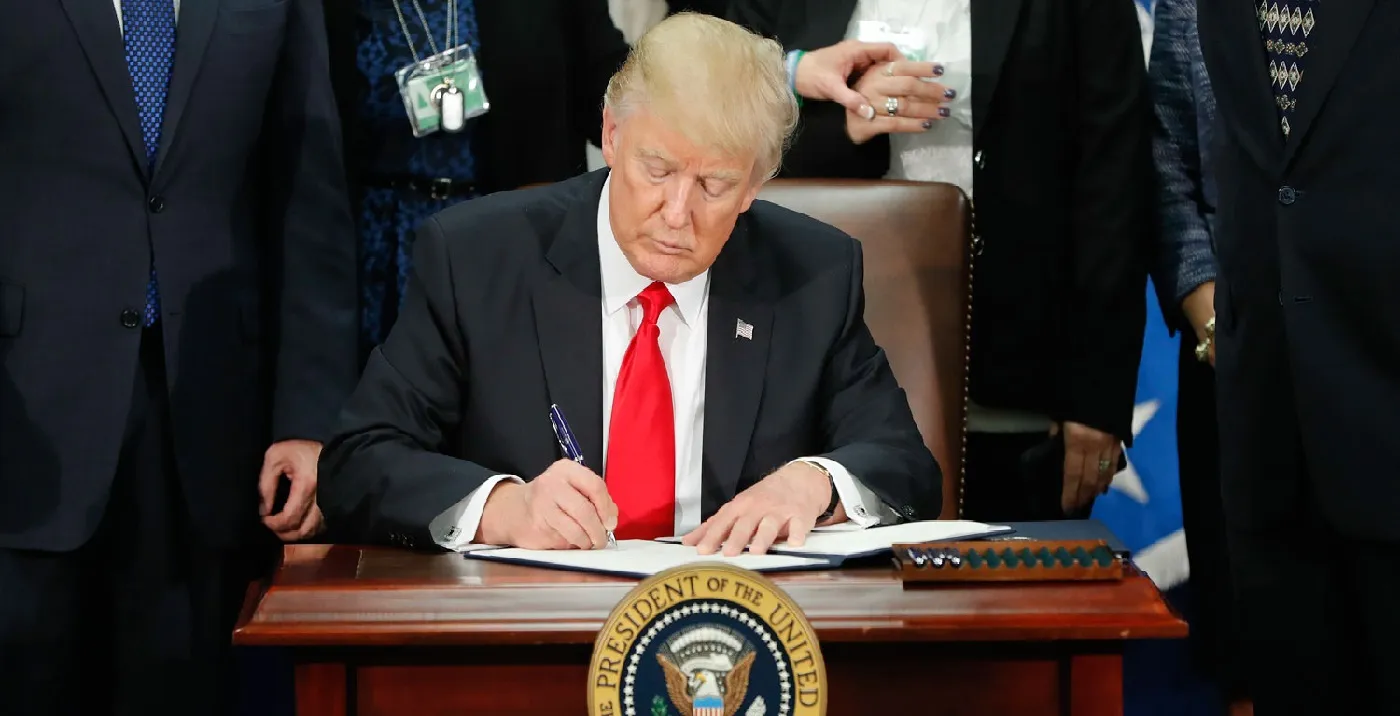

Washington, D.C., In a significant move to intensify immigration enforcement, President Donald Trump has signed an executive order mandating federal agencies to identify so-called “sanctuary cities” that do not comply with federal immigration laws. The order directs the Department of Justice and the Department of Homeland Security to compile a list of non-compliant jurisdictions within 30 days, with the potential consequence of cutting off federal funding to those areas.
Details of the Executive Order
The executive order instructs the Attorney General and the Secretary of Homeland Security to identify jurisdictions that “obstruct” the enforcement of federal immigration laws. Once identified, these jurisdictions could face a suspension or termination of federal funds, including grants and contracts. The order also empowers the federal government to pursue legal action against non-compliant cities and states.
Administration’s Justification
The Trump administration argues that sanctuary cities pose a threat to public safety by allowing undocumented immigrants to avoid detection and deportation. By withholding federal funds, the administration aims to pressure these jurisdictions into cooperating with Immigration and Customs Enforcement (ICE) agents. The White House maintains that the order is designed to enhance public safety by focusing on removing “criminal aliens.”
Criticism and Legal Challenges
Critics argue that the executive order undermines local autonomy and could erode trust between immigrant communities and local law enforcement. Legal experts caution that the order may face challenges in court, as it could conflict with constitutional protections and previous rulings that limit the federal government’s ability to withhold funds from states and cities.
Broader Immigration Policy Context
This executive order is part of a broader set of immigration policies implemented by the Trump administration. Other measures include increased deportations, expanded use of expedited removal, and enhanced cooperation between federal and local law enforcement agencies. The administration has also deployed troops to the southern border and pledged to deport millions of undocumented immigrants.
Impact on Local Jurisdictions
Cities and states identified as sanctuary jurisdictions could face significant financial repercussions if federal funds are withdrawn. Programs related to public safety, education, and infrastructure may be affected. Local officials in these areas have expressed concern about the potential loss of funding and the strain it could place on essential services.
President Trump’s executive order targeting sanctuary cities marks a significant escalation in the federal government’s efforts to enforce immigration laws. While the administration views the measure as a necessary step to enhance public safety, opponents argue that it threatens local autonomy and could face substantial legal hurdles. As the situation unfolds, the balance between federal authority and local governance will be tested in the courts and in communities across the nation.