

California will be the most affected state under Trump's new rule restricting housing
Thousands of American children could be left without a roof over their heads under new guidelines from the Department of Housing
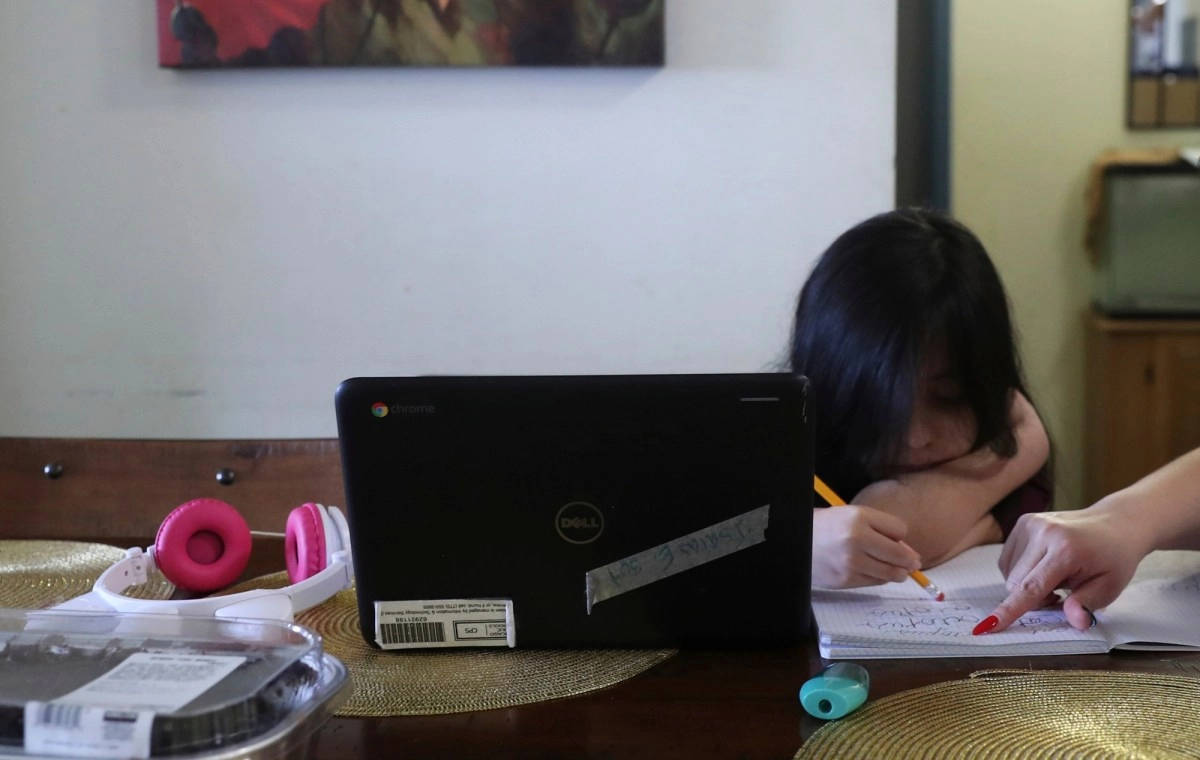

Mixed-status families in California could lose housing assistance under a new rule from President Donald Trump's administration.
The Department of Housing and Urban Development (HUD) seeks to prevent any family with undocumented immigrants from receiving federal housing assistance, even if those families have American children.
California California will be especially affected, as the state has 7,190 mixed-status households from across the country that receive HUD support. In terms of the number of people affected, this could impact more than 30,000 individuals, considering that the California Budget and Policy Center indicates that mixed-status families average up to four members. Nationally, the impact would reach approximately 20,000 households, or at least 80,000 people, including US citizens. The Budget and Policy Center report notes that the impact would include approximately 37,000 US citizen children. “HUD's measures directly target mixed-status families, who can currently only receive prorated housing assistance for their eligible relatives,” the report states. This will primarily affect Latino families, as that almost 90% of the families receiving HUD support are Latino.
This will lead families to make critical decisions: risk homelessness or separate, since only US citizens can receive federal assistance.
Currently, US citizens by birth and naturalization, Green Card holders, asylum seekers, and those with select additional immigration statuses can access HUD rental assistance programs, such as the Housing Choice Voucher (HCV) program, public housing, and project-based rental assistance.
There are some immigrants or people with non-immigrant visas who are not part of the program, such as people with temporary student or work visas, people with Temporary Protected Status (TPS) or Deferred Action for Childhood Arrivals (DACA), nor are undocumented immigrants.
Some of these people live in mixed-status families, meaning where at least one member is a US citizen.
“The majority of people in these households were Latino (86%), 56% were women or girls, and 46% were boys,” the report states. “A previous HUD analysis of 2017 data showed that approximately half of mixed-status households receiving assistance were recipients of Housing Choice vouchers, and the remainder lived in public housing or properties supported by federal project-based rental assistance.”
Most of those families have an average household income of $18,000 per year.