

Texas issues an order to prohibit the sale to minors of THC, the main compound of marijuana
Governor Greg Abbott stressed the importance of regulating these products responsibly
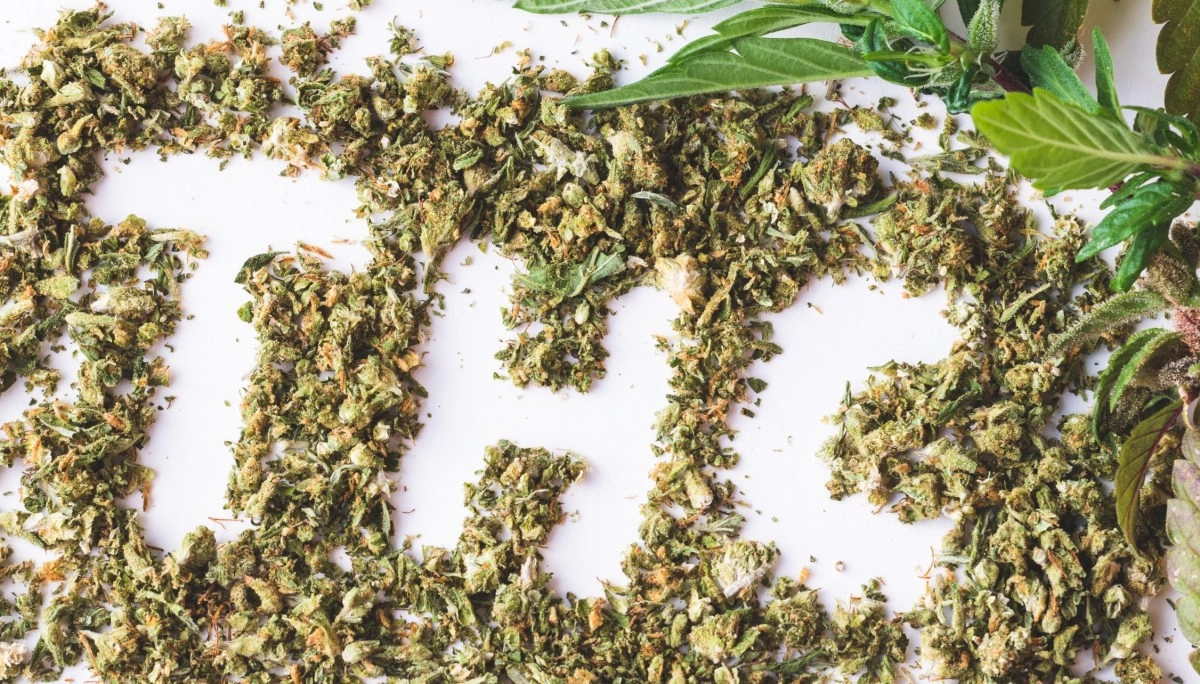

Texas Governor Greg Abbott has issued an executive order prohibiting the sale of products containing tetrahydrocannabinol (THC) to minors. This measure seeks to ensure the safety and well-being of children in the state.
THC is the main psychoactive component of the cannabis plant (marijuana), responsible for the euphoric or "high" effects produced by its consumption. It is a cannabinoid that forms when the plant’s cannabinoids are heated, activating receptors in the brain and causing psychotropic effects in the nervous system.
“While these products would still benefit from the comprehensive regulation established by the Texas Legislature for substances like alcohol and tobacco, my executive order ensures the safety of children, the peace of mind of parents, and the assurance of consumers that the products they purchase are responsibly tested and labeled,” Abbott said.
So far, marijuana remains illegal in Texas, but the state has taken steps in recent years to allow the sale of hemp-derived products with lower levels of THC, including edibles and infused beverages.
Insistence in the face of legislative failure
Despite efforts in the Legislature to establish restrictions during special sessions, no consensus was reached. Abbott criticized lawmakers' inability to act and took the initiative through an executive order.
The governor pushed the state Legislature to ban the sale of hemp products to those under 21 during two special sessions earlier this year, but the effort stalled in both.
The governor emphasized that his intention is not to eliminate THC products, but rather to find a balance that offers safety to minors and freedom to adults. He stressed the importance of regulating these products responsibly.
The executive order also delegates the creation of a regulatory framework for hemp-based products to various state agencies, thus ensuring that safety standards are met in the sale and distribution of these products.
Now, Abbott's order requires the Department of State Health Services (DSHS) and the Texas Alcoholic Beverage Commission (TABC) to write agency-level rules to implement the ban.
Short- and Long-Term Effects of THC
Other States That Have Implemented THC Restrictions
In addition to Texas, several U.S. states have implemented THC regulations, especially related to medical cannabis, recreational cannabis, and CBD products. States like California, Colorado, New York, Massachusetts, Illinois, Oregon, and Washington have robust regulatory frameworks to ensure the quality and safety of THC and CBD products. These states require mandatory laboratory testing, transparent labeling, and strict regulations for product sales and traceability. On the other hand, some states have stricter restrictions or less clear regulatory frameworks, such as Idaho, Kansas, Nebraska, Tennessee, and Wisconsin, which limit access to THC or CBD products.