

The tentacles of Trump's attracting reign of terror are spreading
Charlotte joins the list of Democrat-led cities to receive Trump's violent deportation machine
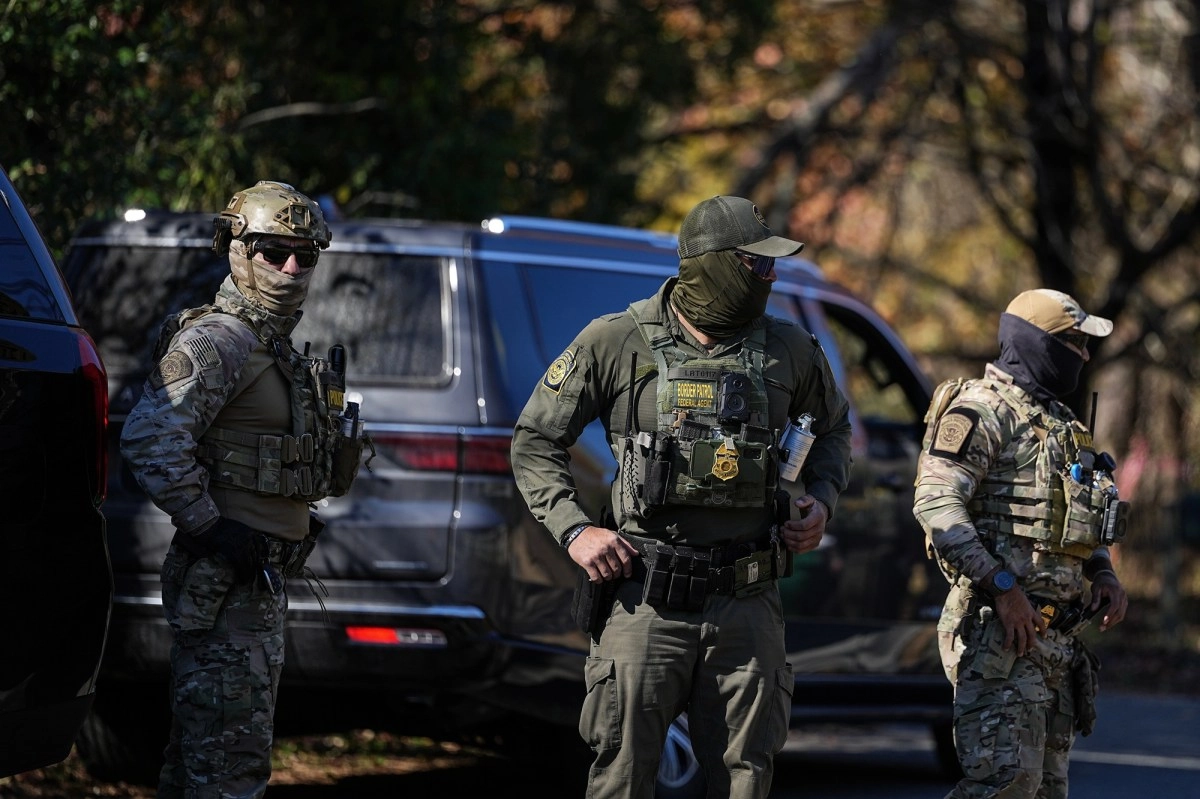

Like other cities across the country, Charlotte, North Carolina, owes a debt of gratitude to the immigrant hands that, in the late 1990s and early 2000s, built 13 skyscrapers in a span of five years to economic activity. And as in other cities across the country under the current administration, the response has been a literal manhunt to detain and deport these immigrants. Charlotte joined the list of Democrat-led cities to receive Trump's violent deportation machine, and the number of detainees exceeded 130 in the first 48 hours, including some US citizens, due to racial profiling by ICE and Border Patrol agents. Citizens like Willy Aceituno, whom agents tried to arrest by smashing the windows of his vehicle, causing him lacerations. Two of the factors that drew the federal government's attention to Charlotte were, first, the August murder of a young Ukrainian refugee on a train by an individual with apparent mental health issues. The incident was used as an example of the “out-of-control” crime in Democratic cities, although there are Republican cities with higher crime rates that are off Trump's radar. Secondly, Mecklenburg County Sheriff Gary McFadden, a Democrat, has refused to cooperate with ICE on immigration enforcement. McFadden gained notoriety for revoking the 287(g) agreement with ICE in 2018. This voluntary program is implemented in jails by notifying ICE about detainees suspected of being undocumented. It also allows local and state police to enforce immigration laws.
In other words, Charlotte has enjoyed a balance of power between Republicans and Democrats that has allowed the advancement of figures like McFadden in a state like North Carolina, which is considered a swing state, and which in November 2014 supported Trump for president and elected a Democratic governor, Josh Stein.
But outside of partisan political considerations, Charlotte is like so many other American cities where immigrants are the backbone and engine of theirs. demographic and economic growth, but at the same time, old prejudices against new residents of color resurface. The Southern Poverty Law Center estimates that there are 28 hate groups and 17 anti-government groups in North Carolina. For example,Charlotte was one of the cities with the fastest-growing foreign-born population in the country. Between 1990 and 2010, the Latino population of Mecklenburg County grew by 1,500%. And since 2010, the Hispanic population has increased by 50%. According to the American Immigration Council, based on 2023 figures, 12% of Charlotte's population is made up of immigrants. This is approximately 330,300 people who pay $4.1 billion in taxes and have a purchasing power of $11.7 billion. Meanwhile, they improve their living conditions, benefiting the communities where they live. They open businesses, are consumers, acquire property, build more buildings, care for children and the elderly, clean gardens, and operate restaurants. In other words, they make life easier for everyone, although many of them are still waiting for Congress to make it easier for them by legalizing their status. Although there have always been operations and raids, perhaps the violence was not as rampant in the interior of the country before, and the agents adhered to certain protocols. But now it's every man for himself, where even citizens aren't safe. This weekend, agents entered the grounds of a church to arrest an immigrant and tried to take others away. Parishioners who were cleaning the courtyard scattered and fled. One of them was 15-year-old Miguel Vazquez, who wondered the same thing as many others. “I thought, 'Wait, why am I fleeing? I'm a citizen.'” Rafael Prieto Zartha is a veteran journalist and community leader, a Colombian and naturalized US citizen who has firsthand witnessed Charlotte's demographic changes, the growth of the Hispanic population, and with it, its achievements and challenges. He knows the city and state's immigration ups and downs inside out and says that in his more than four decades living in the United States and 24 years in Charlotte, he has never experienced such a hostile and violent environment as the current one. “I don't think they'll come looking for me at my house, but I'm going out with my passport because you're not exempt from being arrested just for speaking (with an accent),” he stated. A sad reminder of Trump's reign of terror. The Southern Poverty Law Center estimates there are 28 hate groups and 17 anti-government groups in North Carolina. For example, Charlotte was one of the cities with the fastest-growing foreign-born population in the country. Between 1990 and 2010, the Latino population of Mecklenburg County grew by 1,500%. And since 2010, the Hispanic population has increased by 50%. According to the American Immigration Council, based on 2023 figures, 12% of Charlotte's population is made up of immigrants—approximately 330,300 people who pay $4.1 billion in taxes and have a purchasing power of $11.7 billion. Meanwhile, they are improving their living conditions, benefiting the communities where they live. They open businesses, they are consumers,they acquire properties, they build more buildings, they care for children and the elderly, they clean gardens, they operate restaurants. In other words, they make life easier for everyone, although many of them are still waiting for Congress to make life easier for them by legalizing their status. Although there have always been operations and raids, perhaps before the violence was not so brutal in the interior of the country and the agents adhered to certain protocols. But now it's every man for himself, where not even citizens are safe. This weekend, agents entered the grounds of a church to arrest an immigrant and tried to take others away. The parishioners who were cleaning the courtyard scattered and fled. One of them was 15-year-old Miguel Vazquez, who wondered the same thing as many others. “I thought, 'Wait, why am I fleeing? I'm a citizen.'” Rafael Prieto Zartha is a veteran journalist and community leader, a Colombian and naturalized US citizen who has firsthand witnessed Charlotte's demographic changes, the growth of the Hispanic population, and with it, its achievements and challenges. He knows the city and state's immigration ups and downs inside out and says that in his more than four decades living in the United States and 24 years in Charlotte, he has never experienced such a hostile and violent environment as the current one. “I don't think they'll come looking for me at my house, but I'm going out with my passport because you're not exempt from being arrested just for speaking (with an accent),” he stated. A sad reminder of Trump's reign of terror. The Southern Poverty Law Center estimates there are 28 hate groups and 17 anti-government groups in North Carolina. For example, Charlotte was one of the cities with the fastest-growing foreign-born population in the country. Between 1990 and 2010, the Latino population of Mecklenburg County grew by 1,500%. And since 2010, the Hispanic population has increased by 50%. According to the American Immigration Council, based on 2023 figures, 12% of Charlotte's population is made up of immigrants—approximately 330,300 people who pay $4.1 billion in taxes and have a purchasing power of $11.7 billion. Meanwhile, they are improving their living conditions, benefiting the communities where they live. They open businesses, they are consumers, they acquire properties, they build more buildings, they care for children and the elderly, they clean gardens, they operate restaurants. In other words, they make life easier for everyone, although many of them are still waiting for Congress to make life easier for them by legalizing their status. Although there have always been operations and raids, perhaps before the violence was not so brutal in the interior of the country and the agents adhered to certain protocols. But now it's every man for himself, where not even citizens are safe. This weekend,agents entered the grounds of a church to arrest an immigrant and tried to take others away. The parishioners who were cleaning the courtyard scattered and fled. One of them was 15-year-old Miguel Vazquez, who wondered the same thing as many others. “I thought, 'Wait, why am I fleeing? I'm a citizen.'” Rafael Prieto Zartha is a veteran journalist and community leader, a Colombian and naturalized US citizen who has firsthand witnessed Charlotte's demographic changes, the growth of the Hispanic population, and with it, its achievements and challenges. He knows the city and state's immigration ups and downs inside out and says that in his more than four decades living in the United States and 24 years in Charlotte, he has never experienced such a hostile and violent environment as the current one. “I don't think they'll come looking for me at my house, but I'm going out with my passport because you're not exempt from being arrested just for speaking (with an accent),” he stated. A sad reminder of Trump's reign of terror. Twelve percent of Charlotte's population is made up of immigrants; These are approximately 330,300 people who pay $4.1 billion in taxes and have a purchasing power of $11.7 billion. Meanwhile, they improve their living conditions, benefiting the communities where they live. They open businesses, are consumers, acquire property, build more buildings, care for children and the elderly, clean gardens, and operate restaurants. In other words, they make life easier for everyone, although many of them are still waiting for Congress to make it easier for them by legalizing their status. Although there have always been operations and raids, perhaps before the violence was not so brutal within the country, and the agents adhered to certain protocols. But now it's every man for himself, where not even citizens are safe. This weekend, agents entered the grounds of a church to arrest an immigrant and tried to take others away. The parishioners who were cleaning the courtyard scattered and fled. One of them was 15-year-old Miguel Vazquez, who wondered the same thing as many others. “I thought, 'Wait, why am I fleeing? I'm a citizen.'” Rafael Prieto Zartha is a veteran journalist and community leader, a Colombian and naturalized US citizen who has firsthand witnessed Charlotte's demographic changes, the growth of the Hispanic population, and with it, its achievements and challenges. He knows the city and state's immigration ups and downs inside out and says that in his more than four decades living in the United States and 24 years in Charlotte, he has never experienced such a hostile and violent environment as the current one. “I don't think they'll come looking for me at my house, but I'm going out with my passport because you're not exempt from being arrested just for speaking (with an accent),” he stated. A sad reminder of Trump's reign of terror.Twelve percent of Charlotte's population is made up of immigrants; These are approximately 330,300 people who pay $4.1 billion in taxes and have a purchasing power of $11.7 billion. Meanwhile, they improve their living conditions, benefiting the communities where they live. They open businesses, are consumers, acquire property, build more buildings, care for children and the elderly, clean gardens, and operate restaurants. In other words, they make life easier for everyone, although many of them are still waiting for Congress to make it easier for them by legalizing their status. Although there have always been operations and raids, perhaps before the violence was not so brutal within the country, and the agents adhered to certain protocols. But now it's every man for himself, where not even citizens are safe. This weekend, agents entered the grounds of a church to arrest an immigrant and tried to take others away. The parishioners who were cleaning the courtyard scattered and fled. One of them was 15-year-old Miguel Vazquez, who wondered the same thing as many others. “I thought, 'Wait, why am I fleeing? I'm a citizen.'” Rafael Prieto Zartha is a veteran journalist and community leader, a Colombian and naturalized US citizen who has firsthand witnessed Charlotte's demographic changes, the growth of the Hispanic population, and with it, its achievements and challenges. He knows the city and state's immigration ups and downs inside out and says that in his more than four decades living in the United States and 24 years in Charlotte, he has never experienced such a hostile and violent environment as the current one. “I don't think they'll come looking for me at my house, but I'm going out with my passport because you're not exempt from being arrested just for speaking (with an accent),” he stated. A sad reminder of Trump's reign of terror. This weekend, agents entered the grounds of a church to arrest an immigrant and attempted to take others into custody. Parishioners who were cleaning the courtyard scattered and fled. One of them was 15-year-old Miguel Vazquez, who wondered the same thing as many others. “I thought, 'Wait, why am I fleeing? I'm a citizen.'” Rafael Prieto Zartha is a veteran journalist and community leader, a Colombian and naturalized US citizen who has firsthand witnessed Charlotte's demographic changes, the growth of the Hispanic population, and with it, its achievements and challenges. He knows the city and state's immigration ups and downs inside out and says that in his more than four decades living in the United States and 24 years in Charlotte, he has never experienced such a hostile and violent environment as the current one. “I don't think they'll come looking for me at my house, but I'm going out with my passport because you're not exempt from being arrested just for speaking (with an accent),” he stated.A sad reminder of Trump's reign of terror. This weekend, agents entered the grounds of a church to arrest an immigrant and attempted to take others into custody. Parishioners who were cleaning the courtyard scattered and fled. One of them was 15-year-old Miguel Vazquez, who wondered the same thing as many others. “I thought, 'Wait, why am I fleeing? I'm a citizen.'” Rafael Prieto Zartha is a veteran journalist and community leader, a Colombian and naturalized US citizen who has firsthand witnessed Charlotte's demographic changes, the growth of the Hispanic population, and with it, its achievements and challenges. He knows the city and state's immigration ups and downs inside out and says that in his more than four decades living in the United States and 24 years in Charlotte, he has never experienced such a hostile and violent environment as the current one. “I don't think they'll come looking for me at my house, but I'm going out with my passport because you're not exempt from being arrested just for speaking (with an accent),” he stated. A sad reminder of Trump's reign of terror.