

United States carries out 30 attacks on vessels in the Caribbean and the Pacific
So far, the government of President Donald Trump has carried out 30 attacks at sea, resulting in the deaths of 107 people
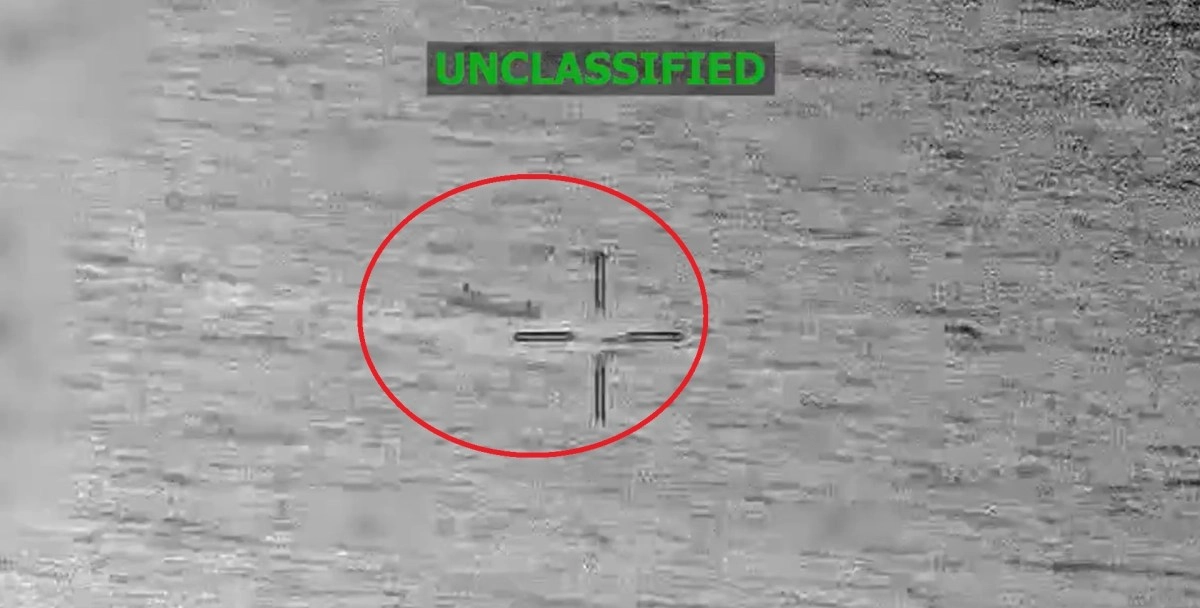

On December 29, the 30th attack by the government of President Donald Trump was carried out against a suspected drug trafficking vessel in the Eastern Pacific, confirmed Southern Command.
The military action occurred under Operation Southern Spear, the Command indicated in a message on X.
“Intelligence confirmed that the vessel was traveling along known drug trafficking routes in the Eastern Pacific and was involved in drug trafficking operations,” the report states. “Two male narco-terrorists were killed. No members of the U.S. military were injured.”
Since September 2, the Trump Administration has intensified a campaign of attacks against vessels that, according to Washington, were used for drug trafficking on routes in the Caribbean and the Eastern Pacific.
So far, the offensive has resulted in 30 attacks and has left at least 107 dead, according to official information.
Preparation and First Attack
Before the attacks began, the Trump Administration reinforced its military presence in the region, as part of what it described as an effort to cut off the flow of drugs to the U.S.
The attacks, which began on September 2 against vessels in international waters of the Caribbean, are defended by Washington as operations against maritime “drug trafficking.”
This sparked questions from Democratic and Republican members of Congress who are questioning the legal framework and the level of transparency regarding the objectives and the victims.
The September 2 attack even sparked additional scrutiny, due to an alleged order from Secretary of Defense Pete Hegseth to “kill all” the crew members of the vessels, which led to a second attack to eliminate survivors. The events were reportedly recorded on video, but it is not public.
October: Expansion into the Eastern Pacific
Military actions expanded into the Eastern Pacific in October, where the U.S.has concentrated several of the most recent attacks against speedboats or vessels it describes as part of drug trafficking networks, although members of Congress such as Democrats Adam Schiff (California) and Tim Kaine (Virginia), and Republican Rand Paul (Kentucky) question the lack of transparency that justifies the deaths in the attacks. This month, in addition to the attacks at sea, the administration added other actions—including the seizure of sanctioned oil tankers off the coast of Venezuela—in a context of increasing pressure on the government of Nicolas Maduro. President Trump reportedly announced land attacks in Venezuela and last Monday reported that a Venezuelan port facility, where drugs were allegedly loaded, had been “hit.” Although the White House has defended the campaign as a “necessary” escalation to curb drug trafficking, it faces pressure from Congress and a demand from civil organizations, such as the American Civil Liberties Union (ACLU), to require the publication of a Opinion of the Office of Legal Advice (OLC) and other documents related to the lethal attacks in international waters.
At the same time, the United Nations High Commissioner for Human Rights, Vokker Turk, described the attacks as violations of international law.
“These attacks and their growing human cost are unacceptable. The United States must stop these attacks and take all necessary measures to prevent the extrajudicial killings of people on board these vessels,” the High Commissioner stated last October. “US airstrikes against vessels in the Caribbean and the Pacific violate international human rights law.”
Organizations such as Amnesty International and Human Rights Watch have joined in this position.