

Veterans without citizenship express fear of being deported in the midst of the raids in the USA.
They have an organization that acts as a support and advice space to support their colleagues in a similar situation
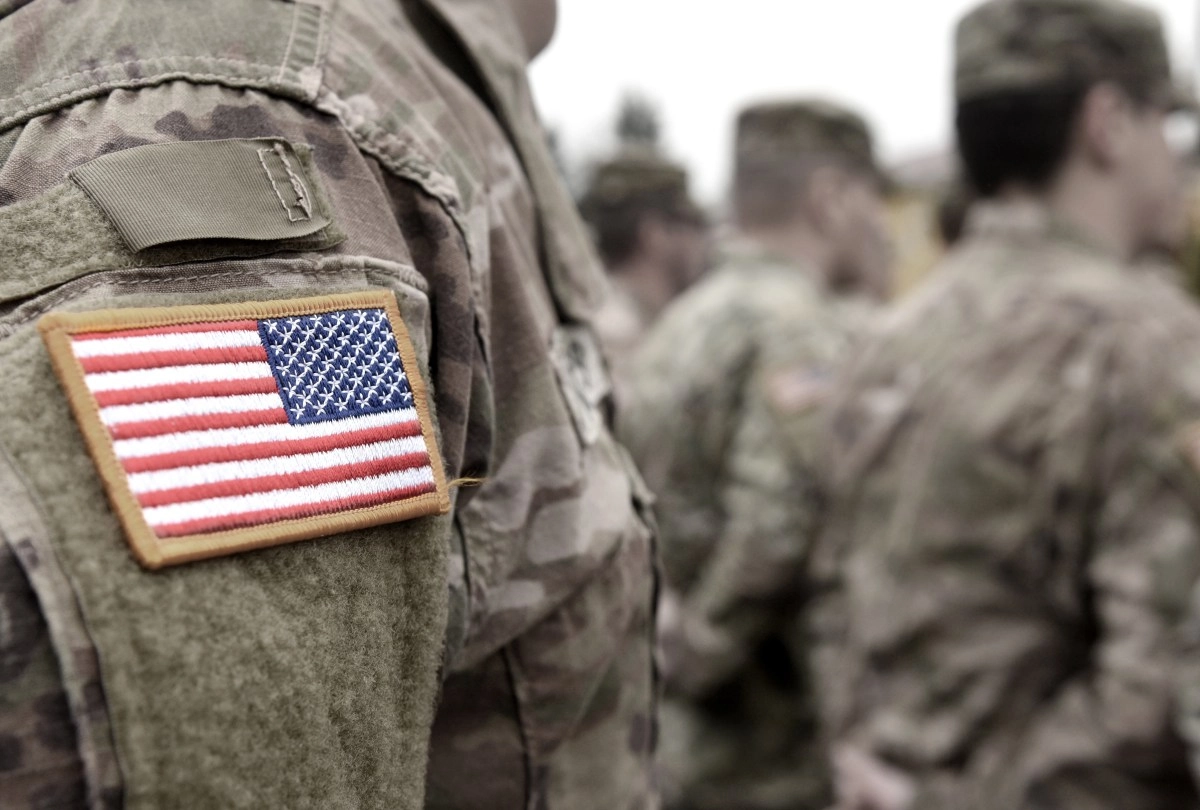

Former US soldier Bariu recalled the most difficult moments after being detained for a year and subsequently deported to Kenya. Upon his return, he faced a grim outlook: depression, a lack of job opportunities, and the constant fear of living in an unsafe environment.
Bariu explained that his residence was in a region with a strong presence of the extremist group Al-Shabaab. In that context, he acknowledged that he avoided revealing his military past in the United States for fear of reprisals. "I didn't want to risk putting my life in danger," he said in an interview.
The veteran noted that his case reflects a troubling reality. "The United States government is deporting veterans to hostile environments," he denounced. The statement fuels the debate about the consequences faced by former military personnel who, after serving in the army, end up facing deportation.
Return to the United States and special program
Bariu's situation took a turn when he managed to benefit from a program promoted during the Joe Biden administration. The initiative sought to make it easier for deported veterans to apply for U.S. citizenship and return to the country where they served in the armed forces. Thanks to this mechanism, Bariu was able to return to the United States and rebuild his life. He currently actively participates in the leadership of an organization created to support those going through similar experiences: Deported Black Veterans of the United States, which brings together former military personnel in vulnerable situations. The organization emerged as a space for support and advice. Its mission is to help deported veterans reconnect with their rights, access legal representation, and receive practical guidance to apply for the benefits they are entitled to for having served in the military. Its main activities include weekly virtual meetings through the Zoom platform. Deported veterans from different countries around the world participate in these meetings.The spaces function as support networks and points of contact with legal immigration specialists.
In addition, during the sessions, personal experiences are shared and practical advice is offered on procedures, access to medical benefits, and citizenship processes. The organizers emphasize that, beyond legal advice, the meetings become spaces for emotional support.
The members of the organization emphasize that the objective is not only to guide veterans in their bureaucratic struggle, but also to strengthen community ties and support each other through daily challenges. "We encourage each other to keep moving forward," Bariu emphasized about the spirit of the group.
Bariu's case reflects the human impact of immigration policies on war veterans. His return to the United States, after years of uncertainty and danger, becomes a symbol of resilience and a call to review how those who served the country are treated.