

You didn't know that Toyota could give you money back for your car
Class Action Lawsuit Accuses Toyota of Gouging Prices Over Undue Tariffs, Thousands of Buyers Could Receive Money
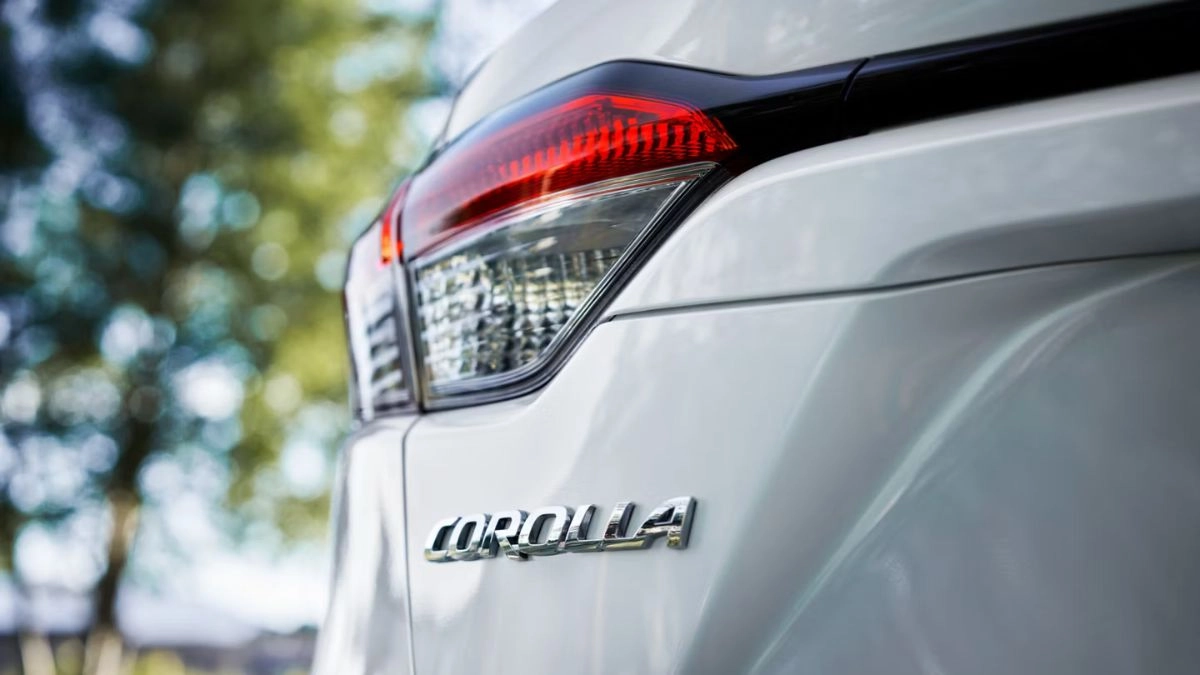

Buying a new car in the United States could end up becoming much more profitable than expected for thousands of drivers. Toyota faces a class-action lawsuit that threatens to become one of the biggest legal headaches for the Japanese brand in recent years.
Read also: Dodge prepares a new sports car inspired by the Viper
The conflict revolves around the 2025 and 2026 models sold in the United States. According to the indictment filed in California, Toyota would have increased the prices of several of its vehicles to offset the economic impact of tariffs that were later considered invalid by the United States Supreme Court.
You can read: Serious safety problem affects thousands of Hondas and Acuras
That opened a huge discussion between consumers, lawyers and manufacturers. The big question now is who should keep the money derived from those fees. Customers maintain that they paid more than necessary for their cars and want to recover part of that extra cost.
The lawsuit targets billions of dollars
The lawsuit was filed by an American buyer named Ananias Cornejo in the Central District Court of California. The claim maintains that Toyota passed on to consumers the costs generated by the tariffs applied during 2025.
According to the lawsuit, the company obtained “extraordinary profits linked to tariffs” thanks to the price increase applied to different models marketed in the United States.
The amount claimed is gigantic. The figure amounts to 9.7 billion dollars and includes both the possible money recovered by Toyota and the supposed economic impact suffered by buyers.
The lawsuit also seeks that any financial refund the company receives from the US government be shared with those who purchased those vehicles.
The court ruling that changed everything
The origin of the conflict appears after a decision made by the United States Supreme Court in February 2026. The highest court concluded that certain trade tariffs imposed during the Donald Trump administration were not properly supported by the International Emergency Economic Powers Act.
That ruling left millions of dollars raised through tariffs in the air that especially affected manufacturers with a strong dependence on imports, including Toyota.
Many of the vehicles sold by the Japanese brand in the United States arrive from plants located in Mexico and Canada. Precisely those units would have been covered by the rates now questioned.
Which buyers could receive money?
If the demand advances favorably, the potential beneficiaries would be those who purchased Toyota models between February 2025 and February 2026 in the United States.
The class action could include everything from sedans to SUVs and pickups, as long as the vehicles are part of the period indicated in the court file.
For now there is no official form to claim money nor compensation approved by Justice. The case is still in a preliminary stage and the Californian court will be in charge of determining whether Toyota really benefited financially from these price increases.
Toyota denies benefiting
The position of the Japanese company is very different from that of the plaintiffs. Internal reports maintain that Toyota would have lost around $1.9 billion during 2025 as a direct consequence of the tariffs.
That point could be key in the trial. If the company can prove that the price increases did not generate windfall profits, part of the case could be considerably weakened.
Meanwhile, sector specialists believe that the case could become an important precedent for the entire automotive industry. Several brands adjusted their prices during that period for similar reasons, and a ruling favorable to consumers could open the door to new class action lawsuits.
A case that can change the market
Beyond the final result, the conflict is already beginning to generate an impact between manufacturers and buyers. Many drivers now review contracts, invoices and purchase dates to see if they could be included in any eventual compensation.
At the same time, automakers are closely watching the trial's progress because the ruling could change the way brands justify future price increases related to taxes, tariffs or import costs.
For those who bought a 2025 or 2026 Toyota, the recommendation for now is simple. Saving all vehicle documentation may end up being much more important than it seemed just a few months ago.