

The 5 cars made in Mexico that sell the most in the US.
Mexico maintains a key role in the automotive industry by manufacturing some of the vehicles with the greatest demand in the US market

Mexico continues to demonstrate its importance within the North American automotive industry. A large part of the vehicles that circulate on the roads of the United States leave plants installed in Mexican territory, where the main brands produce everything from SUVs to pickup trucks that are among consumers' favorites.
Read also: Incredible: the US island where no car can circulate
The numbers support that prominence. According to data from Car Industry Analysis, 36% of the light automobiles that the United States imported were assembled in Mexico. Furthermore, the pace of exports has not slowed down.
You can read: The best used pickups for gardening in the US.
In January 2026, 224,528 light vehicles were shipped, a growth of 2.3% compared to the same month of the previous year, while in May the figure reached 306,288 units, with an increase of 1.7%.
Chevrolet Equinox maintains a privileged place
Among the models manufactured in Mexico with the best performance is the Chevrolet Equinox. The compact SUV recorded sales of 205,989 units in the United States during 2024, which represented a growth of 8.6% compared to the previous year.
This vehicle is assembled at the General Motors plant located in Ramos Arizpe, Coahuila, a facility that supplies a good part of the demand for compact SUVs for the US market.
The brand also strengthens its presence with the arrival of the Equinox EV, an electric variant that complements the model's offering and is part of General Motors' electrification strategy in the region.
Pickups that continue to set the pace
The Toyota Tacoma continues to be one of the most sought-after midsize pickups by American buyers. Although its sales decreased 21.1% compared to the previous year, it maintains a solid reputation thanks to its reliability and work capacity.
The truck is manufactured in Baja California and maintains its competitiveness thanks to the new generation and the incorporation of the i-Force Max hybrid system, a combination that allows it to respond to an increasingly demanding market.
Another notable name is the GMC Sierra, produced at the General Motors plant in Silao, Guanajuato. This facility is one of the main export centers for large pickup trucks to the United States. Although the segment faces greater competition and adjustments derived from the new commercial scenario, the Sierra continues to occupy a relevant position.
Ram Pickups are also part of the group of Mexican models with the greatest presence in the United States. Although they recorded a 17.6% drop in sales, they continue to be a reference both for customers looking for a work truck and for those who prefer versions with a higher level of equipment.
Its production is concentrated in the Stellantis complex in Saltillo, Coahuila. Due to the high volume exported from Mexico, the Ram range is one of the most exposed to the 25% tariff applied to imported vehicles, a situation that has led the brand to rethink its commercial strategy.
Ford Bronco Sport completes the list
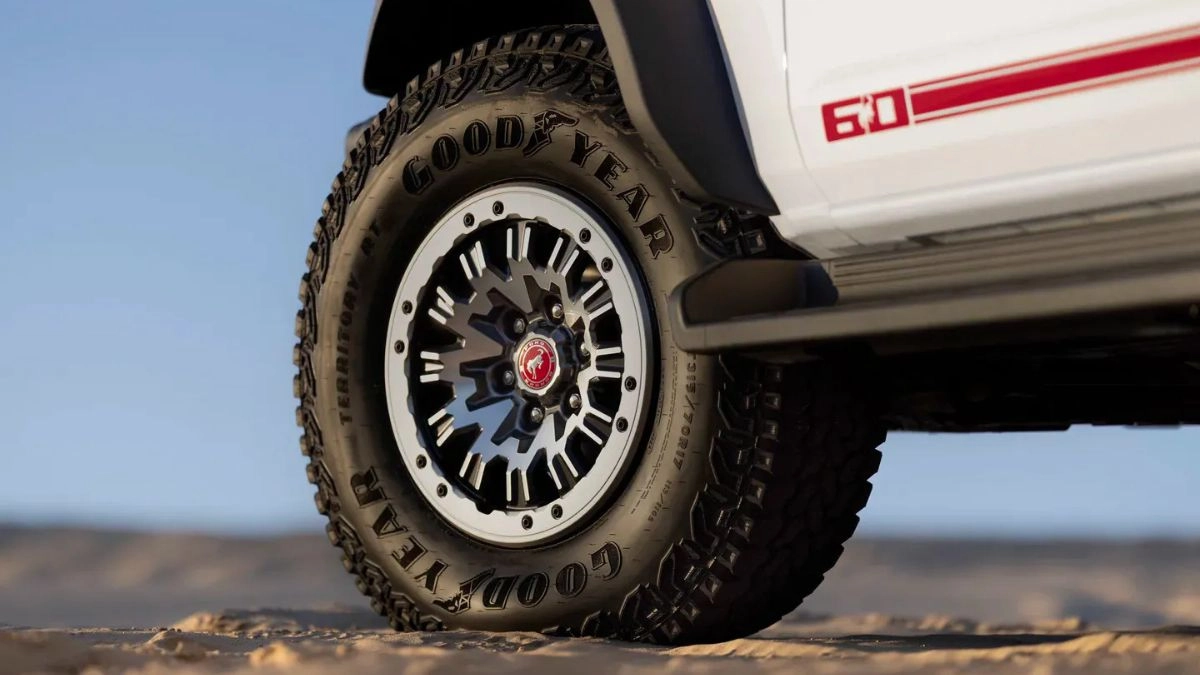
The Ford Bronco Sport is another of the vehicles assembled in Mexico that has managed to consolidate itself in the US market. This SUV, manufactured at the Hermosillo, Sonora plant, has found a place among consumers looking for a vehicle with an adventurous image and good capabilities for different types of roads.
Its growth coincides with the rise of compact off-road-style SUVs, a trend that has boosted its commercial performance both in 2025 and so far in 2026.
What makes cars made in Mexico so competitive?
Mexico's position within the automotive industry responds to several factors. Production costs remain competitive compared to other markets, while the proximity to the United States reduces logistics times and expenses for manufacturers.
Added to this is the role of the T-MEC, which allows many vehicles produced in Mexico to enter the US market with tariff advantages as long as they comply with the rules of origin established in the agreement.
However, the outlook also presents challenges. The tightening of trade policies and the application of new tariffs increase costs for manufacturers, a scenario that could eventually also be reflected in the price consumers pay for some of these models.