

Supreme Court overturns death sentence against African American, determines racial discrimination
The Supreme Court's decision does not exonerate Terry Pitchford, but it does order a review of the judicial process under guaranteed constitutional standards
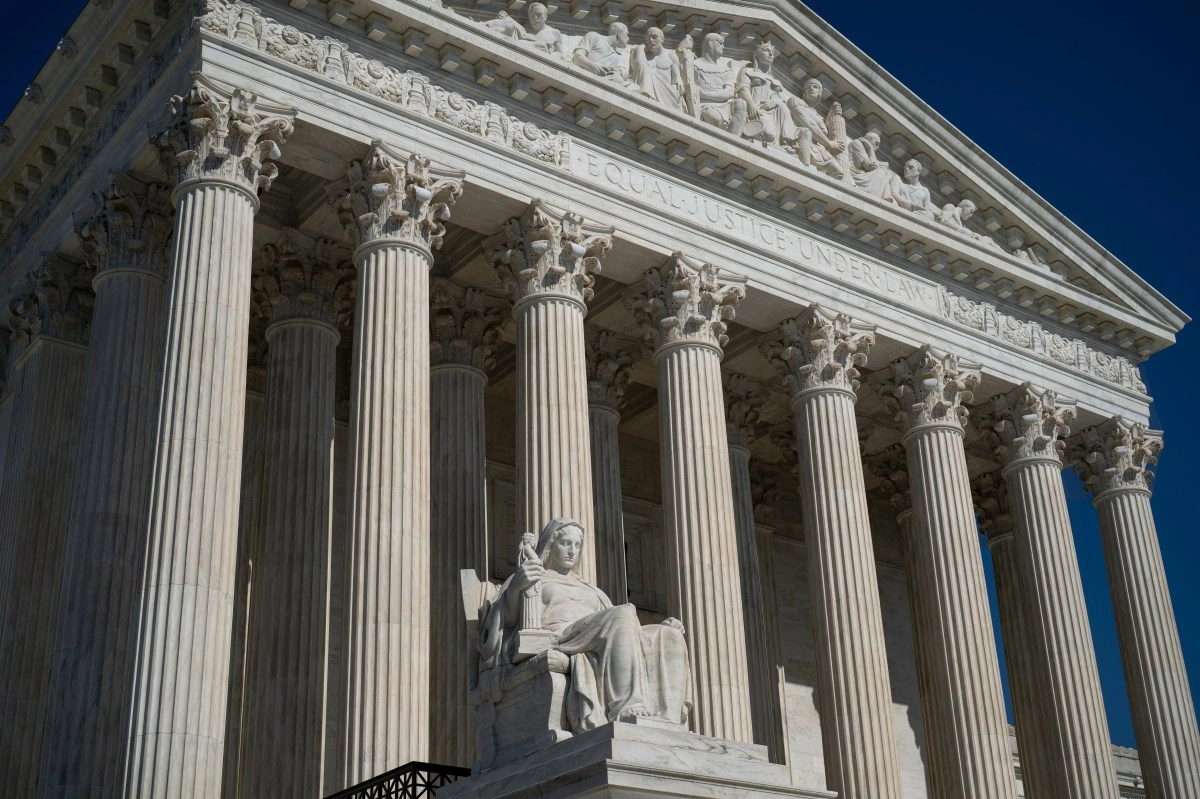

The Supreme Court on Thursday overturned the murder conviction and death sentence against Terry Pitchford, an African-American man convicted in Mississippi, considering that the prosecutor in the case discriminatoryly excluded potential black jurors during the trial.
The decision by the highest US court reopens a case that has remained in the judicial system for more than two decades and once again places under scrutiny the practices of District Attorney Doug Evans, previously targeted for similar accusations of racial discrimination in jury selection.
Pitchford was convicted of participating, when he was 18, in the murder of a merchant during a 2004 robbery in Mississippi. Although authorities determined that the fatal shot was fired by a minor accomplice, the young man received the death penalty after being found guilty by a jury made up of eleven white men and only one black person.
According to the Supreme Court ruling, Evans rejected four of the five potential African-American jurors summoned for the judicial process. The prosecutor argued apparently neutral reasons, including lateness, criminal history of family members and personal similarities with the accused. However, the justices concluded that the court did not allow the defense to adequately challenge those arguments, as required by the case law established in the “Batson v. Kentucky” case, which prohibits excluding jurors for racial reasons.
“Whether due to confusion, carelessness, a too hasty jury selection process or some other cause, things failed,” said the Supreme Court ruling, cited by national media.
The decision was split and represents a setback for the Mississippi prosecutor's office. The case had made contradictory progress in recent years: in 2023 a federal court granted Pitchford the opportunity to appeal his conviction on the grounds that there were indications of racial discrimination, but in 2025 an appeals court overturned that determination, taking the process all the way to the Supreme Court.
The resolution also revives questions about the record of prosecutor Doug Evans. In 2019, the Supreme Court overturned another conviction in Mississippi related to the case of Curtis Flowers, a black man tried six times for the same crime. On that occasion, the justices concluded that Evans had shown a “persistent pattern” of excluding African-American jurors, violating fundamental constitutional rights. The Flowers case became one of the most egregious examples of racial discrimination in the American judicial system and was widely documented by journalistic investigations and American Public Media's “In the Dark” podcast.
Civil rights organizations, such as the American Civil Liberties Union (ACLU), have warned for years that the systematic exclusion of African Americans from juries continues to be a recurring practice in some southern states, especially in cases where the death penalty is involved.